




Mention sci-fi series Dr Who and you might think of notorious villains like Daleks or Cybermen but instead of fighting evil, his famous time machine, the TARDIS, is now being used as the basis for a new business strategy.
The seemingly small blue police box looks to be only slightly larger than a public telephone box on the outside, but it has a huge, infinite space inside.
In modern business thinking, it has become a metaphor for unlocking hidden potential by inspiring leaders to think bigger, encouraging company growth by refusing to be bound by perceived limits.
What is the TARDIS?
Britain’s longest running TV sci-fi drama Dr Who was launched by the BBC in 1963 to follow the adventures of an extra-terrestrial being known as The Doctor from a species of Time Lords. He has the power to travel through space and time to protect innocent beings and fight evil. When critically injured, he can regenerate into a new form to continue his mission to help humanity.
To date, there have been 15 doctors, starting with Willliam Hartnell and going through various transitions to the latest reincarnation, played by Ncuti Gatwa. The clever plot device means although they have a different physical appearance, they still have the same memories as their predecessors, enabling the Time Lord to be eternal.
The TARDIS is The Doctor’s futuristic means of transport and usually, he travels with a companion.
When the series was launched, blue police boxes were still a familiar sight on Britain’s streets, having begun in the 1890s. They were essentially a miniature police station, containing a telephone for beat bobbies to contact HQ, or for members of the public to report a crime. Officers could go inside to fill in reports, take a break, or hold prisoners temporarily while awaiting transport.
Although they were gradually phased out from the 1970s onwards, when Dr Who was launched in 1963, the shape was a good disguise for his TARDIS, which could be “parked” on any street without looking out of place.
Power of TARDIS thinking
The concept can encourage business leaders to expand their vision, with the aim of embracing creativity, developing the company and inspiring innovation. The idea was formed from a phrase in the inspirational book, How to Make Good Things Happen, written by Marian Rojas Estapé in 2021: “Think, imagine and dream on a big scale. Act on a small one.”
Balancing thinking big with acting small is a fine art. It means having plenty of innovative ideas for business growth that are within your budget, so your creativity isn’t hampered by resources – a challenge plenty of small business owners face.
For some entrepreneurs, their biggest mistake is attempting to build a greater version of their company too fast, based simply on optimism, without taking a data-driven approach. TARDIS thinking means thinking bigger but creating ways of achieving greatness while keeping within budget.
It’s too easy to lapse into an uninspired state simply because you’re on a tight budget and feel you can’t achieve all you need to do. The key is sitting down to devise a viable plan that can break barriers and achieve business growth without breaking the bank. Adjust your mindset and continue to think in an optimistic way, while building a profitable and sustainable business.
What can you do?
Small businesses that think big are able to grow by increasing their brand visibility to attract new customers. Some examples of how to increase your success include attending networking events to meet new contacts and spread the word. In addition, increase your presence by joining professional organisations locally, where you can meet new contacts relevant to your profession.
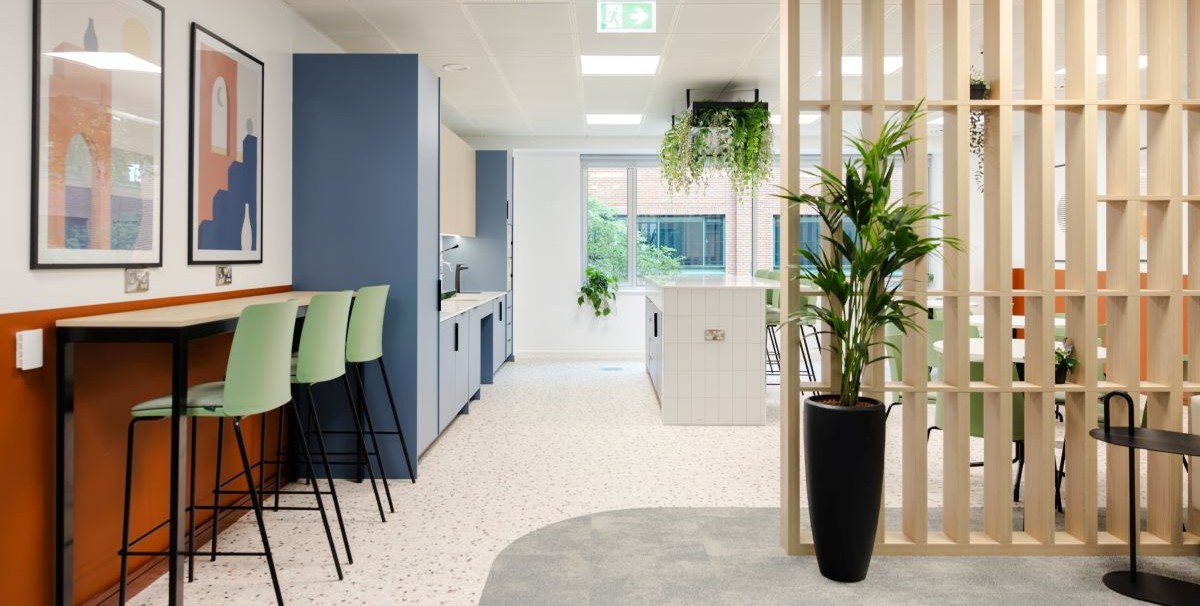
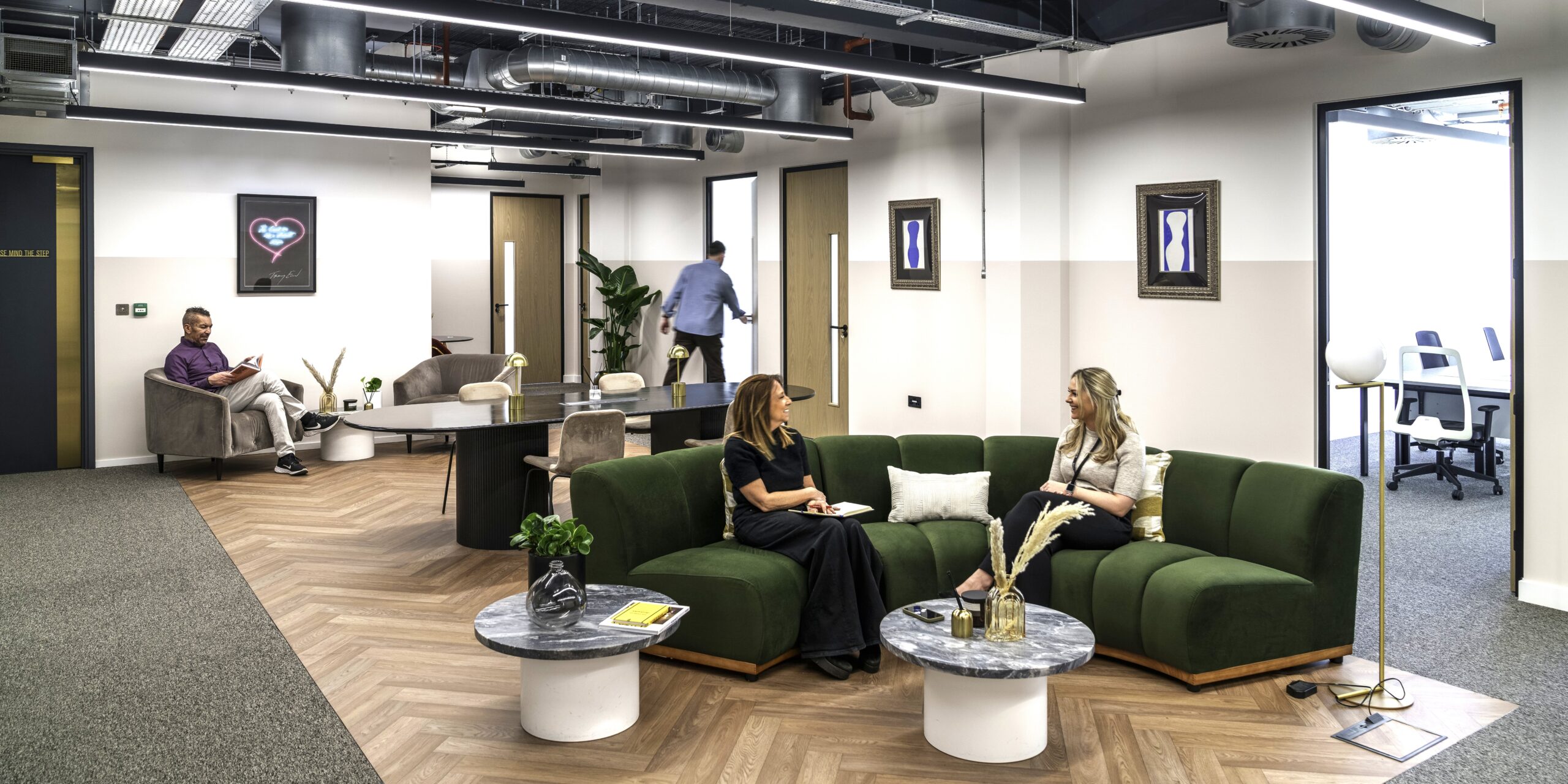
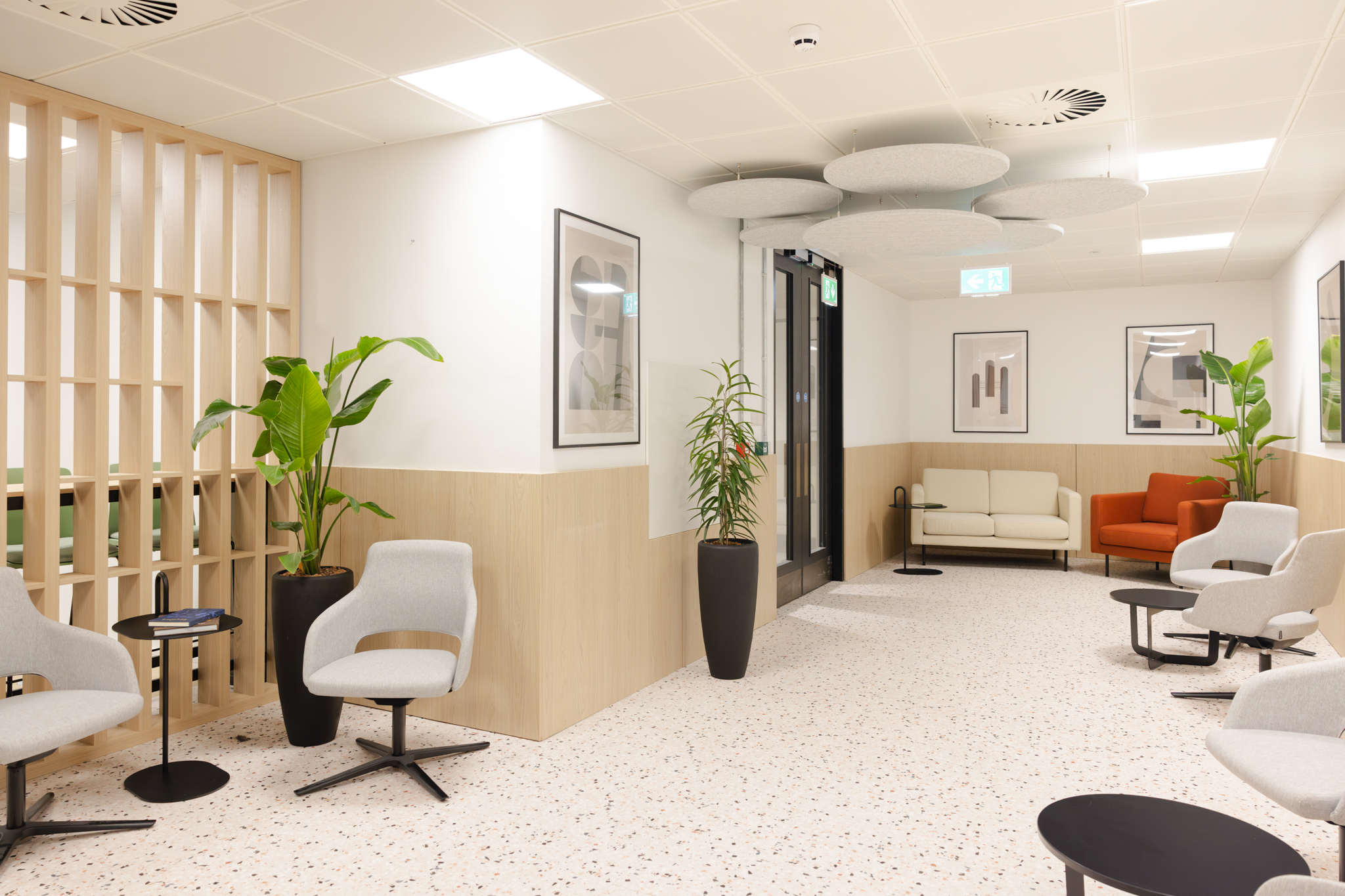
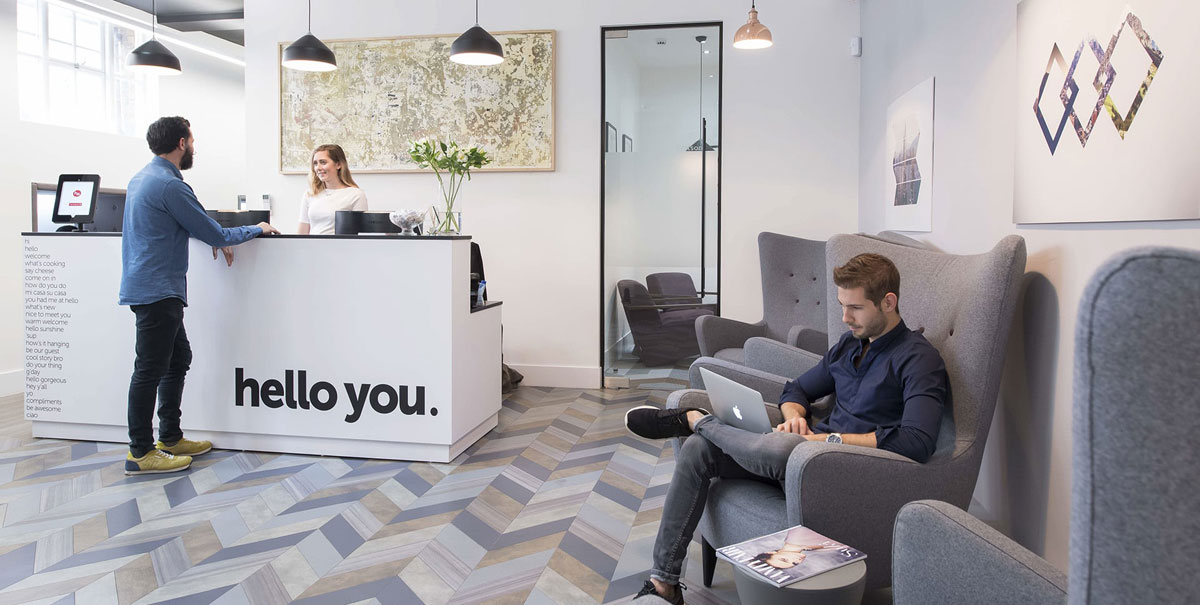
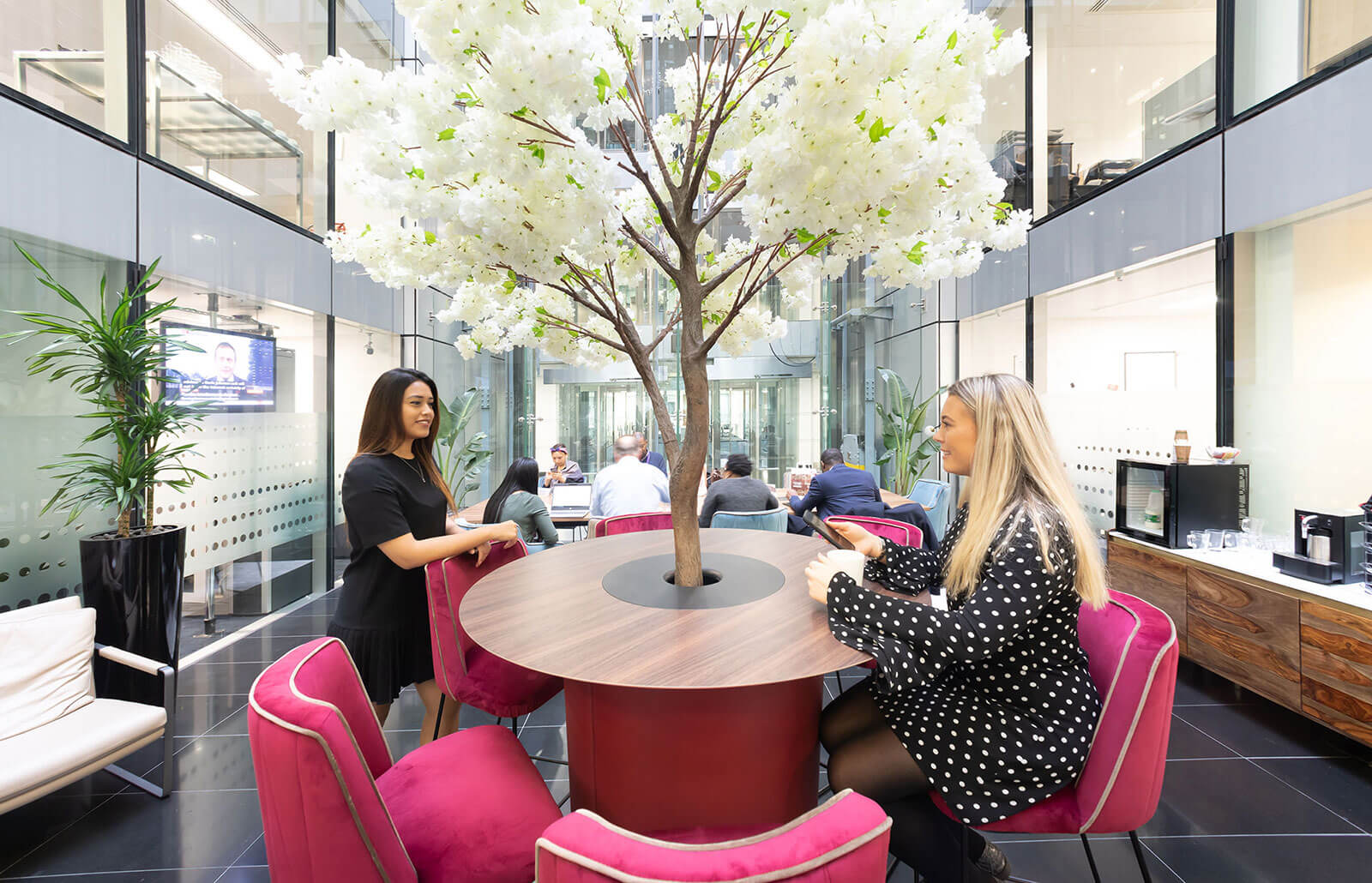
Being based in serviced offices in London can help, as you can enjoy the benefits of working in the capital and meeting the right people, without the expensive overheads of renting your own traditional office space.
Serviced offices will provide a thriving community environment filled with both networking and health and wellbeing events. This style of working also encourages collaboration, as it’s a place where people can come together with ease, inspiring greater creativity to attract new customers and retain existing ones.
Use social media: a cost–effective way to promote your business, you can reach a large audience with minimal costs upfront in comparison with traditional print or television ads. Build brand awareness and engage directly with potential customers through organic content and personal interaction. You simply need ideas and a fast broadband connection to power your system and you can think big without it costing the earth.
Which companies thought bigger to grow?
Businesses who demonstrated TARDIS thinking before it became a thing included Ikea, valued at £15 billion today, whose founder Ingvar Kamprad initially worked from the garden shed at his family home; William Hewlett and David Packard, founders of tech firm Hewlett Packard, rented a garage at the outset to grow their business, which was recently estimated to be worth £24 billion.
James Dyson developed his early vacuum cleaner prototypes using a shed as his business premises; now his company is valued at around £10.3 billion. Rupert Hunt, founder of SpareRoom, the UK flat-sharing website, started his concept at home in 2021 and now the company has a turnover of £10 million per annum.
Using serviced offices instead of home working means you’re embracing the TARDIS effect to the max, thinking bigger to grow your business, while also benefiting from the facilities of a modern professional office without expensive overheads.
© Claudio Caridi / Shutterstock.com