


A strong company culture is one of the most valuable assets any business can have. It influences how employees collaborate, communicate, and engage with their work, while also helping to attract and retain top talent.
As flexible working becomes the norm, many business leaders are asking the same question: how do you build and maintain a positive company culture when employees aren’t in the office every day?
The good news is that flexible office environments don’t weaken company culture—they can strengthen it. By combining adaptable workspaces with intentional leadership and meaningful opportunities for collaboration, businesses can create a workplace culture that supports both productivity and employee wellbeing.
Why company culture matters
Company culture goes beyond mission statements and office perks. It’s reflected in the way people work together, solve problems, support one another, and represent the organisation’s values.
A positive workplace culture helps employees feel connected to the business and to their colleagues. It encourages innovation, improves communication, and creates an environment where people are motivated to do their best work.
For organisations operating in a flexible office environment, maintaining these connections requires a thoughtful approach, but the benefits are well worth the effort.
Create purposeful office time
In a flexible working model, employees often split their time between home and the office. Rather than expecting people to come into the office simply to sit at a desk, businesses should make office days purposeful.
Schedule team meetings, brainstorming sessions, project planning, training, and social activities when employees are together. Face-to-face interaction strengthens relationships, encourages collaboration, and creates shared experiences that reinforce company culture.
A flexible workspace with meeting rooms, breakout areas, and collaborative spaces makes it easier for teams to connect in meaningful ways.
Design spaces that encourage collaboration
The physical workplace still plays an important role in shaping company culture. Modern flexible workspaces are designed to support different ways of working, from focused individual tasks to collaborative group discussions.
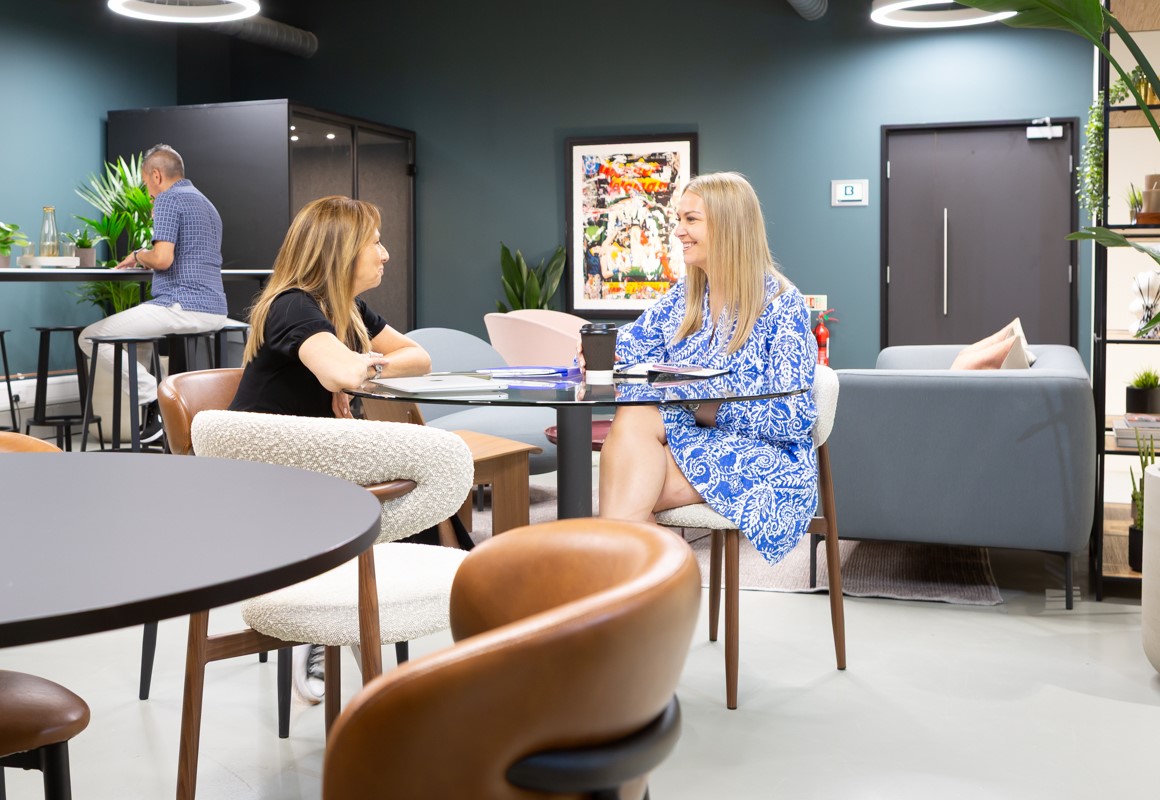
Open communal areas, comfortable breakout spaces, private meeting rooms, and informal lounges encourage spontaneous conversations and knowledge sharing. These interactions often lead to stronger relationships, creative ideas, and improved teamwork.
By choosing a workspace that prioritises collaboration, businesses create more opportunities for employees to engage naturally throughout the working day.
Support employee wellbeing
A healthy company culture places employee wellbeing at its core. Flexible office environments can help achieve this by giving people greater control over how and where they work while still providing access to professional workspaces when needed.
Modern flexible workspaces often include natural light, comfortable furnishings, wellness areas, kitchen facilities, and spaces for relaxation. These features contribute to a more enjoyable working environment and can have a positive impact on morale and productivity.
When employees feel supported, they’re more likely to be engaged, motivated, and committed to the organisation.
Keep communication open and consistent
Strong communication is essential for maintaining company culture in any workplace, but it’s particularly important in flexible working environments.
Leaders should ensure employees stay informed about company goals, business updates, and team achievements through regular meetings and digital communication tools. At the same time, creating opportunities for employees to share ideas and feedback helps everyone feel included.
A culture of open communication builds trust and ensures remote and office-based employees remain equally connected to the organisation.
Celebrate success together
Recognition is a powerful driver of employee engagement. Celebrating achievements—whether it’s completing a major project, reaching business milestones, or recognising individual contributions—reinforces positive behaviours and strengthens workplace culture.
Flexible office environments provide opportunities to bring teams together for celebrations, networking events, team lunches, or informal gatherings. These moments help build personal connections that extend beyond day-to-day work.
Acknowledging success also demonstrates appreciation, helping employees feel valued and motivated.
Build community beyond your own team
One of the unique advantages of flexible workspace is the wider business community it creates. Sharing a workspace with professionals from different industries opens the door to networking, collaboration, and fresh perspectives.
Many flexible workspace providers organise business events, workshops, and social activities that encourage interaction between members. Employees can expand their professional networks, exchange ideas, and develop new partnerships that benefit both individuals and the organisation.
Being part of a vibrant business community can enhance workplace culture by creating a greater sense of connection and opportunity.
Choose a workspace that supports your values
Not all office environments are the same. When selecting a flexible workspace, it’s important to consider how the space aligns with your company’s values and working style.
Look for a provider that offers professional facilities, welcoming communal areas, reliable technology, and flexible solutions that allow your team to work effectively. A well-managed workspace enables employees to focus on collaboration, innovation, and delivering their best work.
The right environment becomes an extension of your business and helps reinforce the culture you want to create.
Culture thrives where people feel connected
Building company culture in a flexible office environment isn’t about recreating traditional ways of working. It’s about creating meaningful opportunities for people to connect, collaborate, and contribute, regardless of where they work on any given day.
By combining flexible office space with purposeful collaboration, open communication, employee wellbeing, and a strong sense of community, businesses can develop a culture that is resilient, inclusive, and ready for the future of work.
As flexible working continues to evolve, organisations that invest in both their people and their workplace will be best positioned to attract talent, inspire innovation, and achieve long-term success.


