


Businesses are no longer tied to traditional office models that require long-term leases, fixed desk arrangements, and rigid working hours.
Instead, organisations of all sizes are embracing flexibility as a core part of their business strategy.
What was once viewed as an employee perk has become a business necessity. Flexible workspace solutions now play a vital role in helping companies attract talent, improve productivity, reduce costs, and adapt to an ever-changing business landscape. For many organisations, flexibility is no longer a “nice to have”—it’s essential for long-term success.
The workplace has changed
The way people work has evolved dramatically. Advances in technology, changing employee expectations, and the widespread adoption of hybrid working have reshaped how businesses use office space.
Many employees now divide their time between home, client sites, and the office. As a result, companies need workspaces that support collaboration without paying for desks that remain empty for much of the week.
Flexible workspaces provide businesses with the freedom to scale office space up or down, accommodate hybrid teams, and respond quickly to changing operational needs. Rather than being locked into lengthy commercial leases, organisations can choose solutions that evolve alongside their business.
Meeting employee expectations
Today’s workforce values flexibility more than ever before. Employees increasingly look for employers who offer a healthy work-life balance, greater autonomy, and modern working environments that support different ways of working.
Providing access to flexible office space demonstrates that a business understands these changing expectations. It allows employees to enjoy the benefits of professional office facilities while maintaining the flexibility to work where they are most productive.
This balance not only improves employee satisfaction but can also boost engagement, motivation, and long-term retention.
Supporting hybrid working
Hybrid working has become a permanent feature of many organisations. While remote working offers convenience, the office remains an important place for collaboration, innovation, training, and building relationships.
Flexible workspace makes hybrid working easier by giving businesses access to professional meeting rooms, private offices, collaborative spaces, and breakout areas whenever they’re needed.
Rather than maintaining a large office that’s only partially occupied, companies can create purposeful office experiences that bring teams together for activities that benefit most from face-to-face interaction.
Greater agility for growing businesses
Business needs can change quickly. New contracts, recruitment, seasonal demand, or market uncertainty all influence how much office space an organisation requires.
Flexible workspace provides the agility to adapt without the financial commitment of traditional commercial property. Businesses can often increase or reduce their office space as their requirements change, helping them manage costs while remaining responsive to new opportunities.
This scalability is particularly valuable for start-ups and growing businesses, where future space requirements can be difficult to predict.
Cost-effective without compromising quality
Traditional office space often comes with significant upfront costs and ongoing expenses, including furniture, utilities, internet, cleaning, maintenance, business rates, and office management.
Flexible workspace simplifies this by bringing many of these services together into a single monthly fee. Businesses benefit from predictable costs while enjoying access to professionally managed office environments with high-quality facilities.
This allows organisations to focus their investment on growth, innovation, and customer service rather than property management.
Creating better places to work
The modern office is about far more than providing desks. Employees expect comfortable, inspiring environments that support wellbeing, creativity, and collaboration.
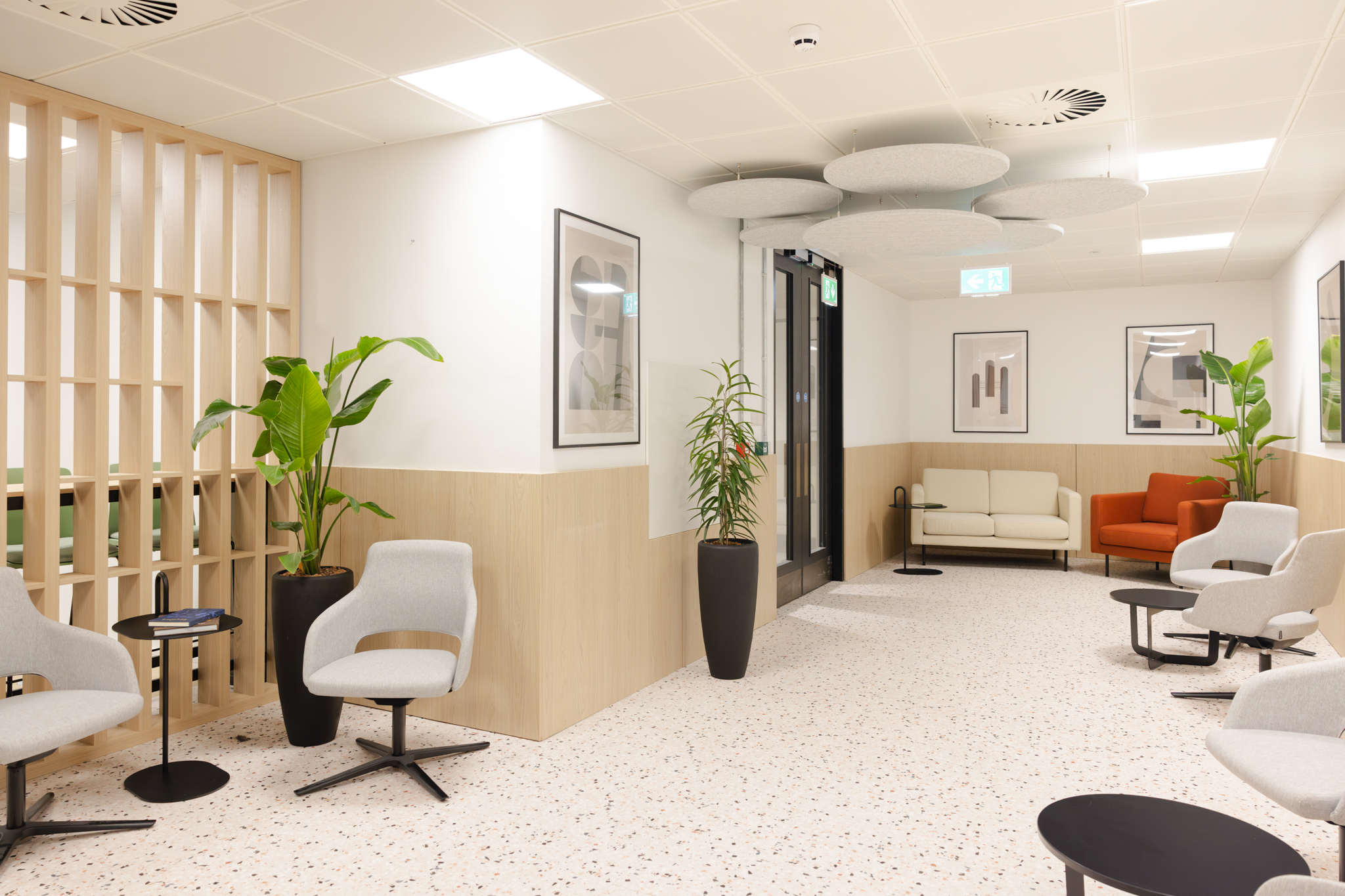
Flexible workspace providers typically offer thoughtfully designed offices with natural light, breakout spaces, fully equipped meeting rooms, high-speed connectivity, kitchens, and communal areas that encourage interaction.
These environments create a more enjoyable working experience while helping businesses present a professional image to clients, partners, and prospective employees.
A well-designed workspace also supports productivity by giving employees access to a variety of settings for focused work, teamwork, and informal conversations.
Future-proofing your business
The pace of change in today’s business world means organisations need the ability to adapt quickly. Economic uncertainty, evolving customer expectations, and advances in technology all influence how businesses operate.
Choosing flexible workspace allows organisations to remain agile without being restricted by long-term property commitments. Whether expanding into new markets, growing a team, or adjusting to changing working patterns, flexible office solutions provide the freedom to respond with confidence.
This adaptability is becoming a key competitive advantage across industries.
Flexibility is the future of work
Flexible workspace is no longer simply an alternative to traditional office space—it’s becoming the preferred choice for businesses that want to remain competitive in a rapidly changing world.
By combining adaptable office solutions with professional facilities, collaborative environments, and scalable contracts, flexible workspaces help businesses create workplaces that support both organisational goals and employee needs.
As the future of work continues to evolve, companies that embrace flexibility will be better positioned to attract top talent, control costs, encourage innovation, and respond to change with confidence.
For organisations looking to build a resilient, productive, and future-ready workplace, investing in flexible workspace is no longer a luxury. It’s a strategic decision that supports sustainable growth, empowers employees, and ensures your business is ready for whatever comes next.
Images: 5 George’s Dock, Dublin


