


Traditional boardrooms still have their place, but businesses are increasingly recognising the value of informal meeting spaces in driving productivity, innovation, and stronger team collaboration.
In today’s fast-moving business environment, employees need flexible settings that encourage open communication, creative thinking, and spontaneous interaction.
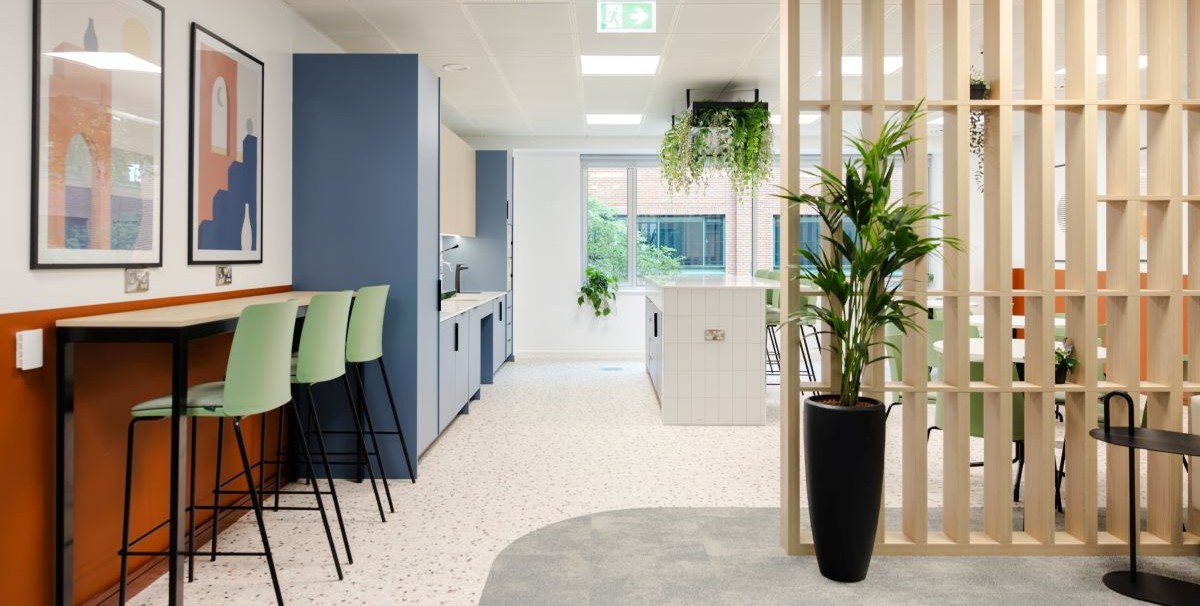
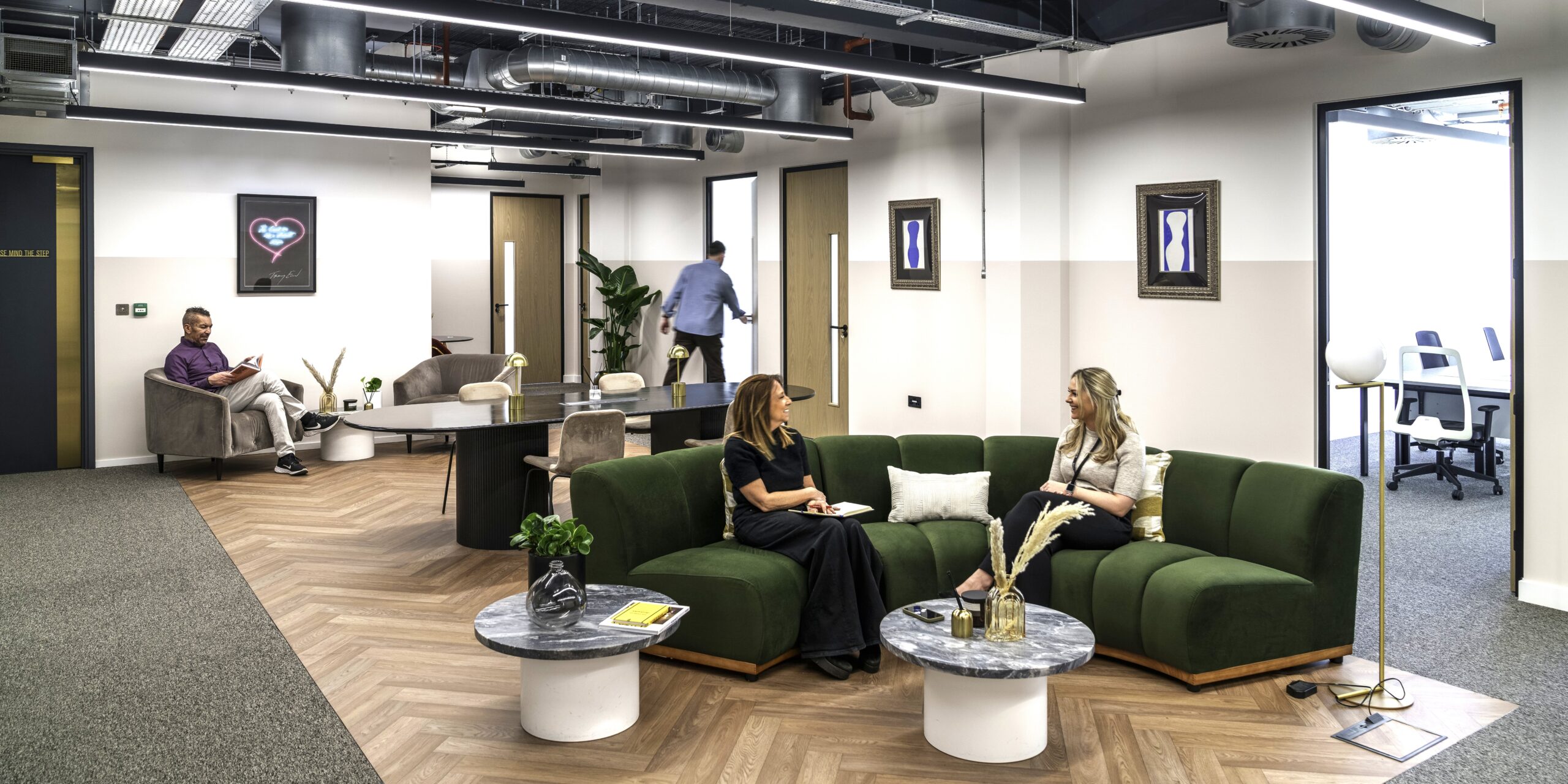
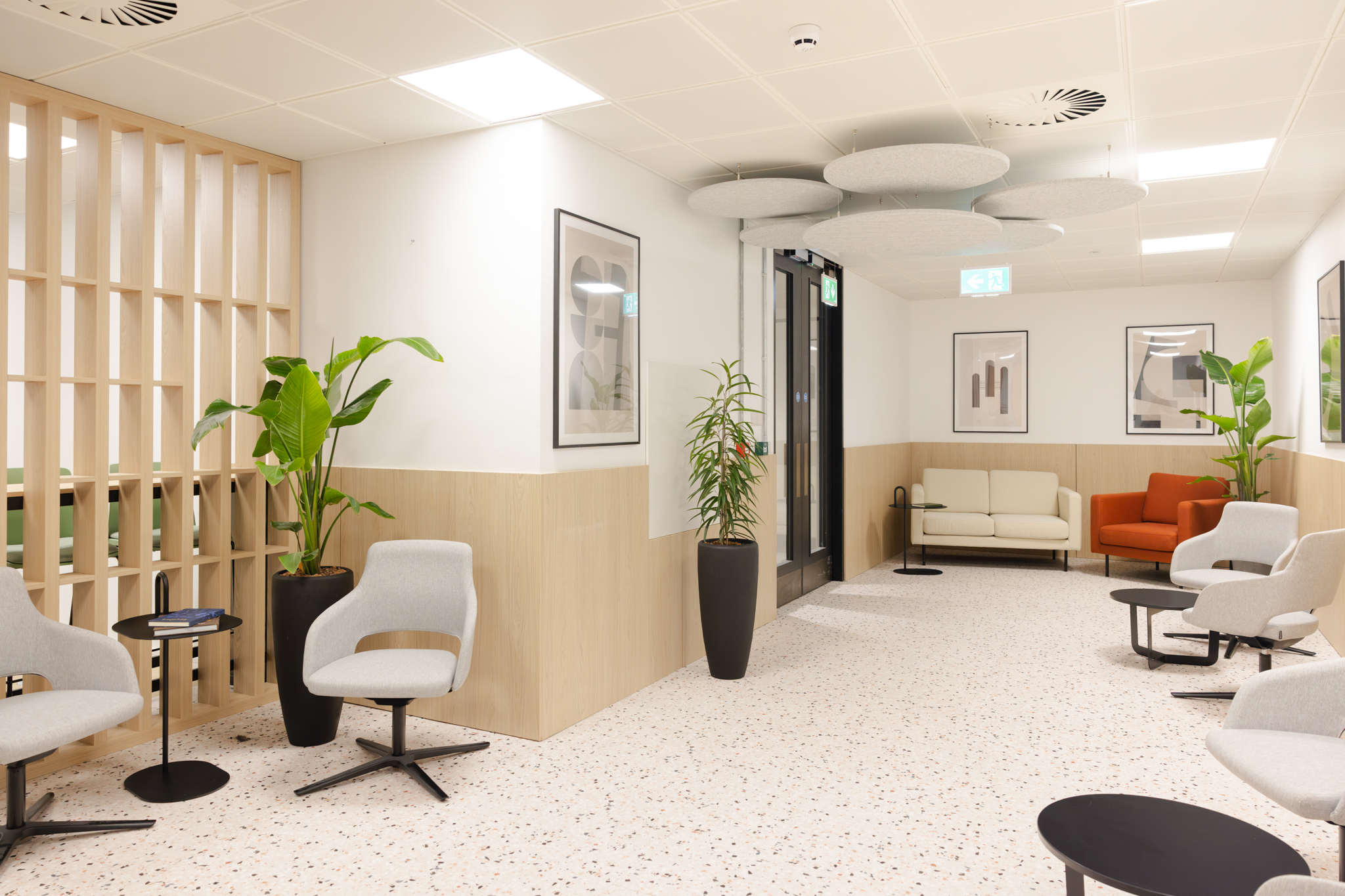
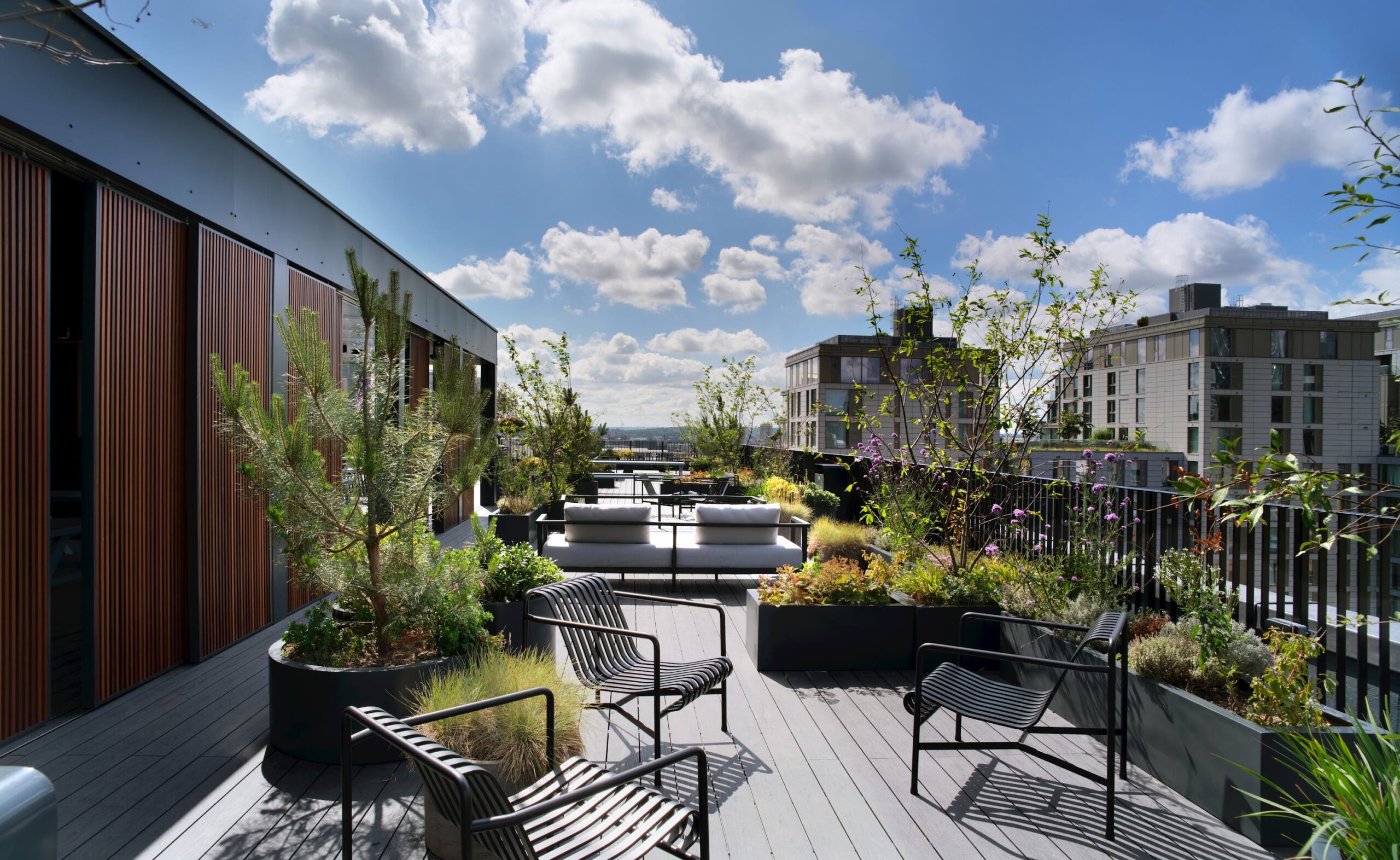
From breakout lounges and café-style seating areas to rooftop terraces and quiet collaboration corners, informal spaces are becoming a defining feature of successful offices and managed workspaces. These environments support a more dynamic style of working, helping businesses improve employee engagement while encouraging better ideas and faster decision-making.
The Shift Towards Flexible Working Environments
The modern workforce no longer thrives in rigid office layouts built solely around desks and formal meeting rooms. Businesses are adopting flexible offices that allow employees to move freely between focused work areas, collaborative zones, and social spaces throughout the day.
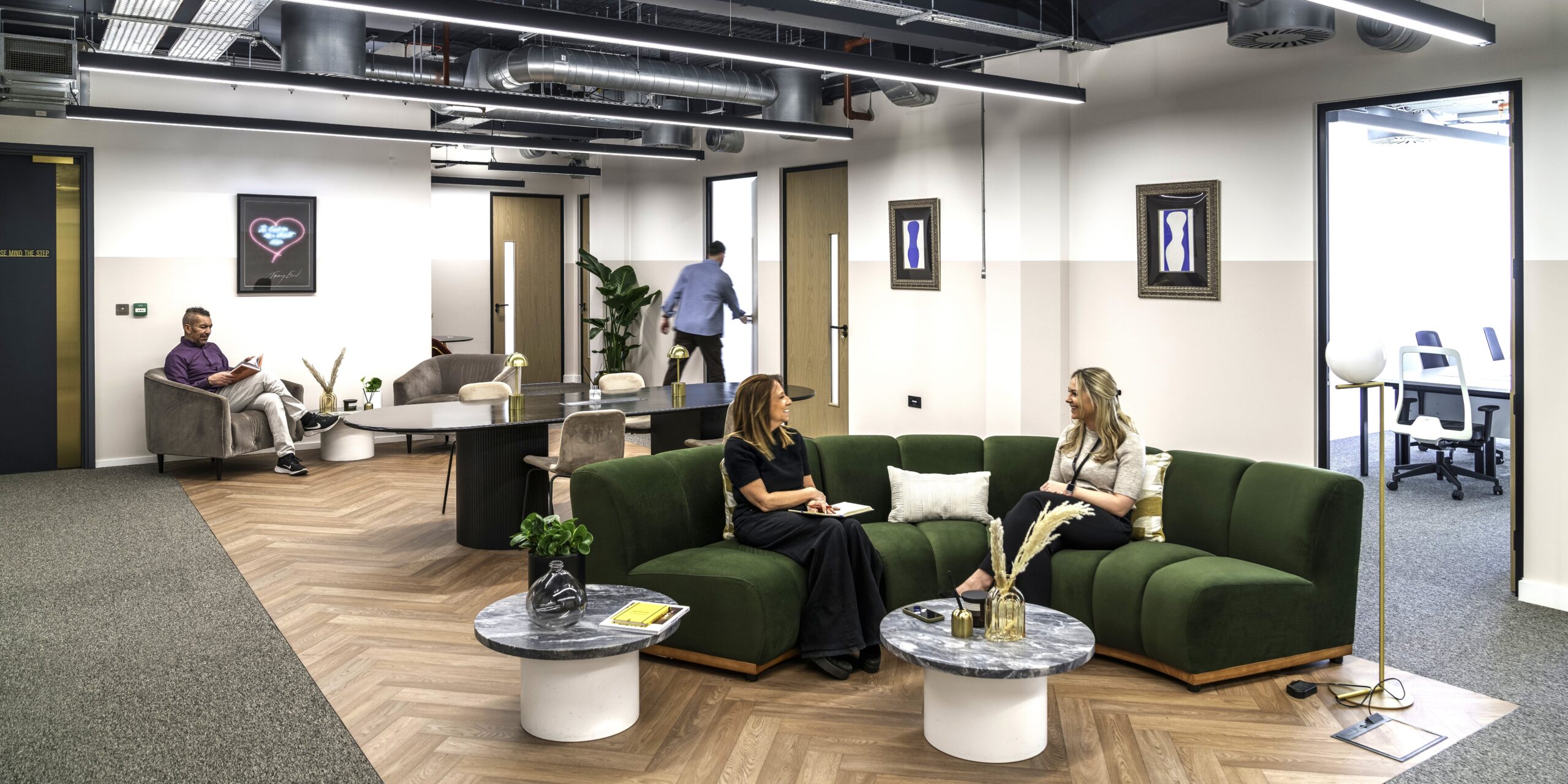
This flexibility supports different working styles and helps teams stay energised and productive. Informal meeting spaces offer a relaxed atmosphere where conversations flow more naturally, often leading to more honest discussions and creative problem-solving.
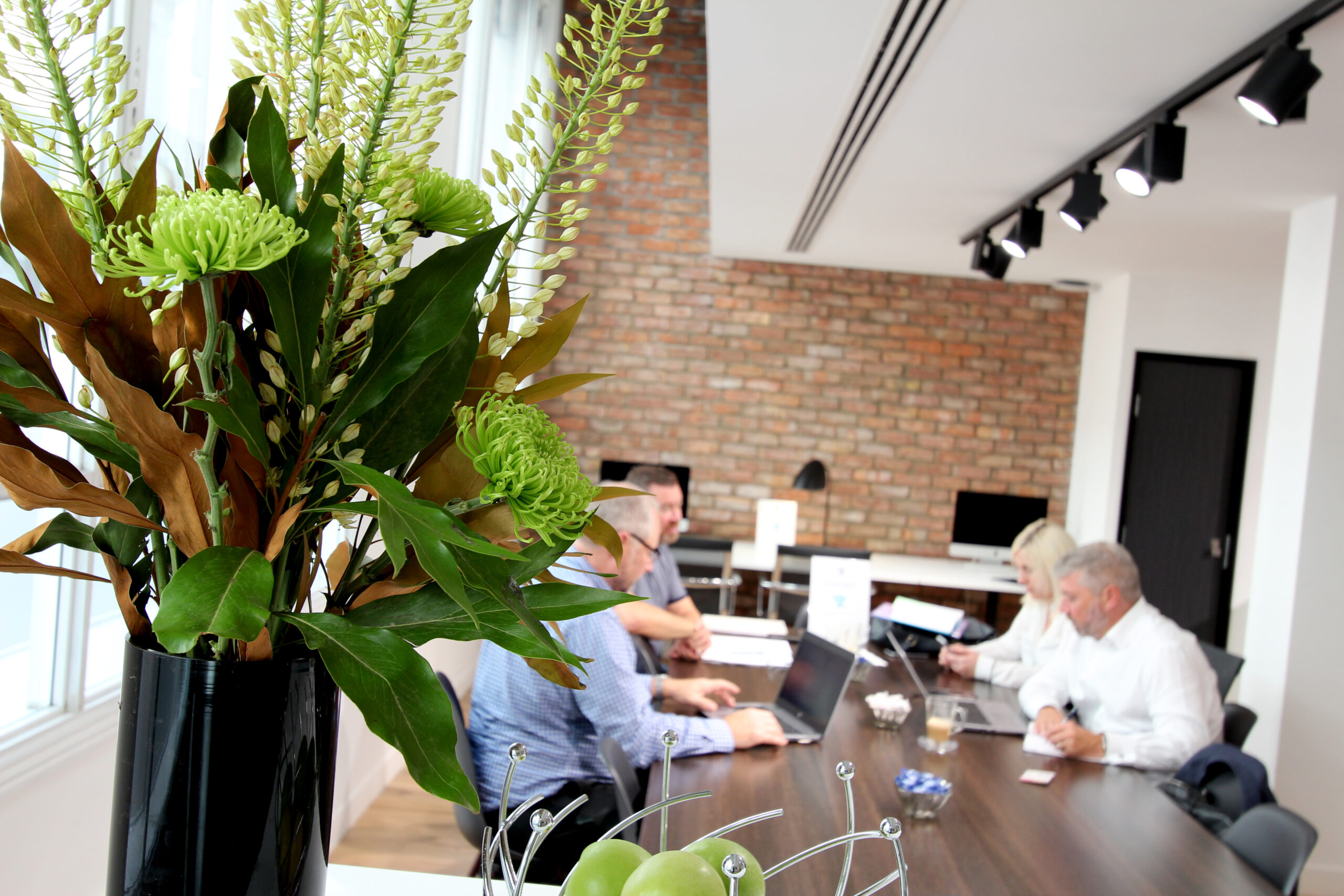
Many businesses are now redesigning offices to include a balance of formal and informal areas. While conference rooms remain essential for presentations and client meetings, casual spaces are increasingly used for brainstorming sessions, team catch-ups, and impromptu discussions that spark innovation.
Encouraging Collaboration and Innovation
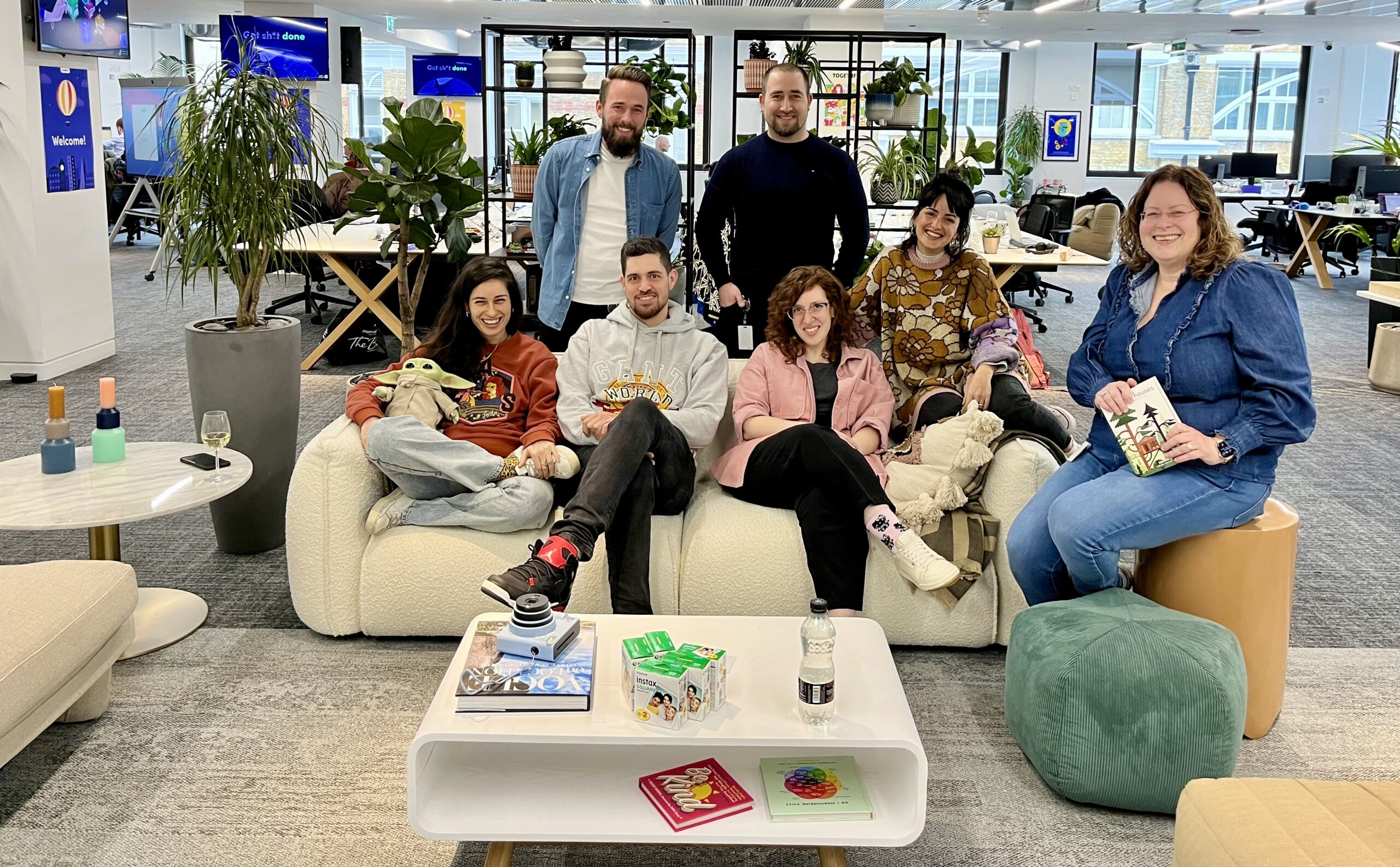
One of the greatest advantages of informal meeting spaces is their ability to encourage collaboration. Employees are often more willing to contribute ideas in relaxed settings compared to formal boardrooms, where meetings can sometimes feel structured or intimidating.
Comfortable seating, natural lighting, and open layouts create an environment where teams feel more at ease sharing opinions and exploring new concepts. These casual interactions often lead to unexpected ideas and stronger cross-department collaboration.
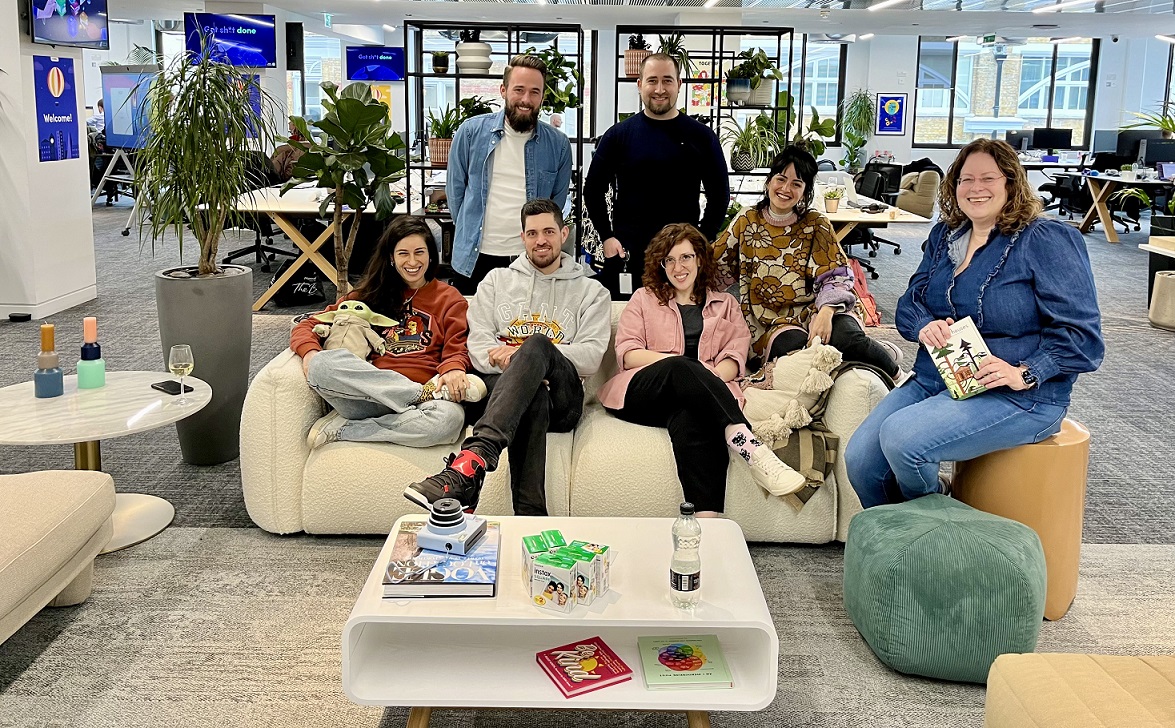
In managed workspaces, informal collaboration zones are especially valuable because they bring together professionals from different industries and backgrounds. Spontaneous conversations between teams or businesses can lead to fresh perspectives, partnerships, and innovative solutions.
Businesses that prioritise collaboration are often more adaptable and competitive. Informal spaces help remove barriers between employees, creating a workplace culture built around communication and shared creativity.
Supporting Employee Wellbeing and Productivity
Employee wellbeing has become a major focus for businesses aiming to attract and retain talent. Informal meeting spaces contribute significantly to a healthier and more positive working environment.
Stepping away from a desk or formal conference room can help employees reset mentally and approach challenges with renewed focus. Casual settings reduce workplace stress and create opportunities for more authentic human interaction throughout the day.
Research consistently shows that employees perform better when they feel comfortable and connected to their workplace. Flexible offices that include social and collaborative spaces can improve morale, increase engagement, and support higher overall productivity.
Features such as soft furnishings, greenery, rooftop terraces, and breakout areas also help create a more welcoming atmosphere. These spaces encourage employees to recharge while remaining connected to their teams and projects.
Faster Decision-Making and Better Communication
Formal meetings often require scheduling, preparation, and lengthy discussions. In contrast, informal meeting spaces enable quick conversations that can solve problems more efficiently.
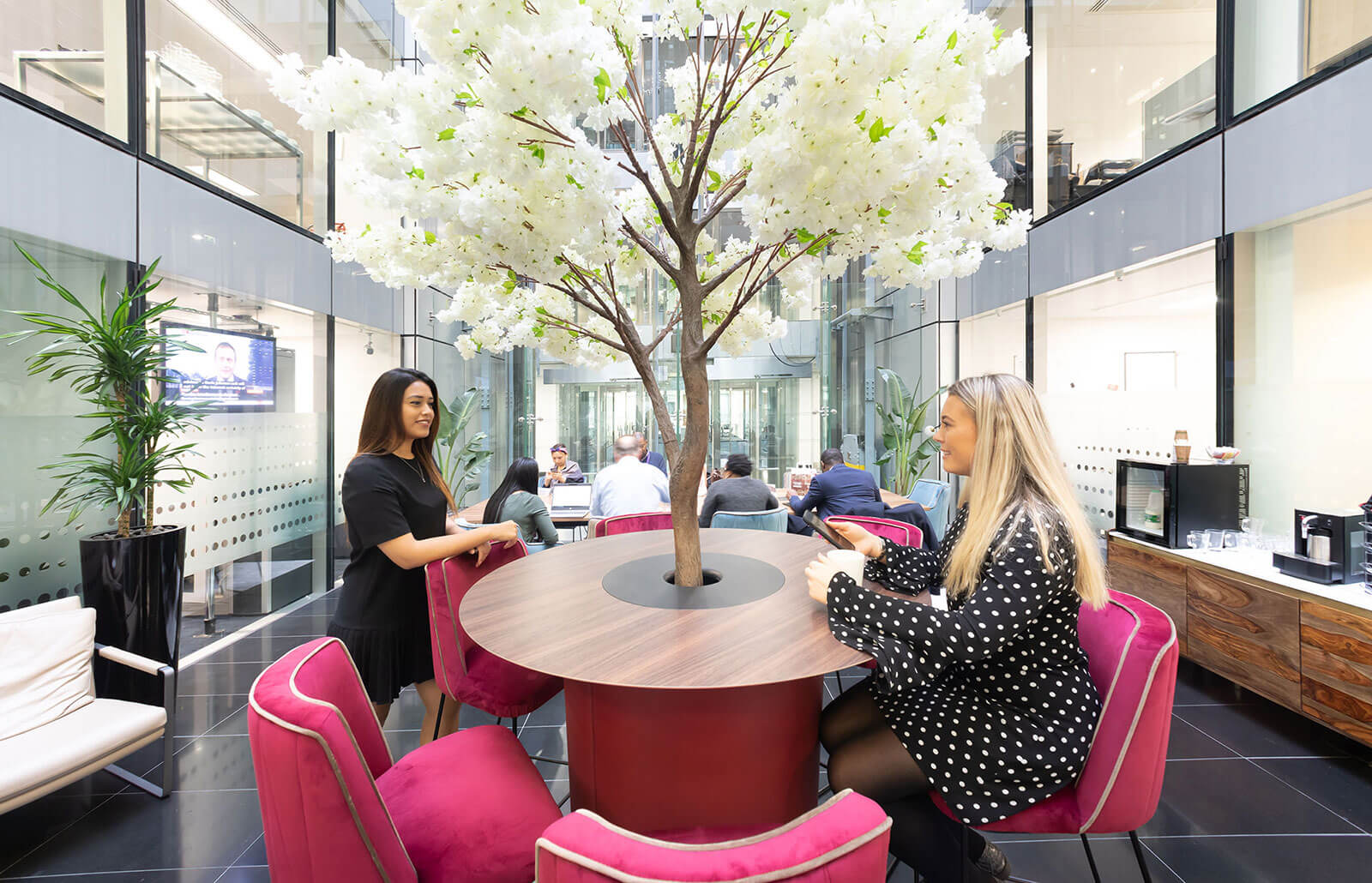
A brief discussion over coffee or an impromptu meeting in a breakout area can often achieve more than a long scheduled session in a boardroom. These quick interactions help teams stay agile and responsive, particularly in fast-paced industries where rapid decision-making is essential.
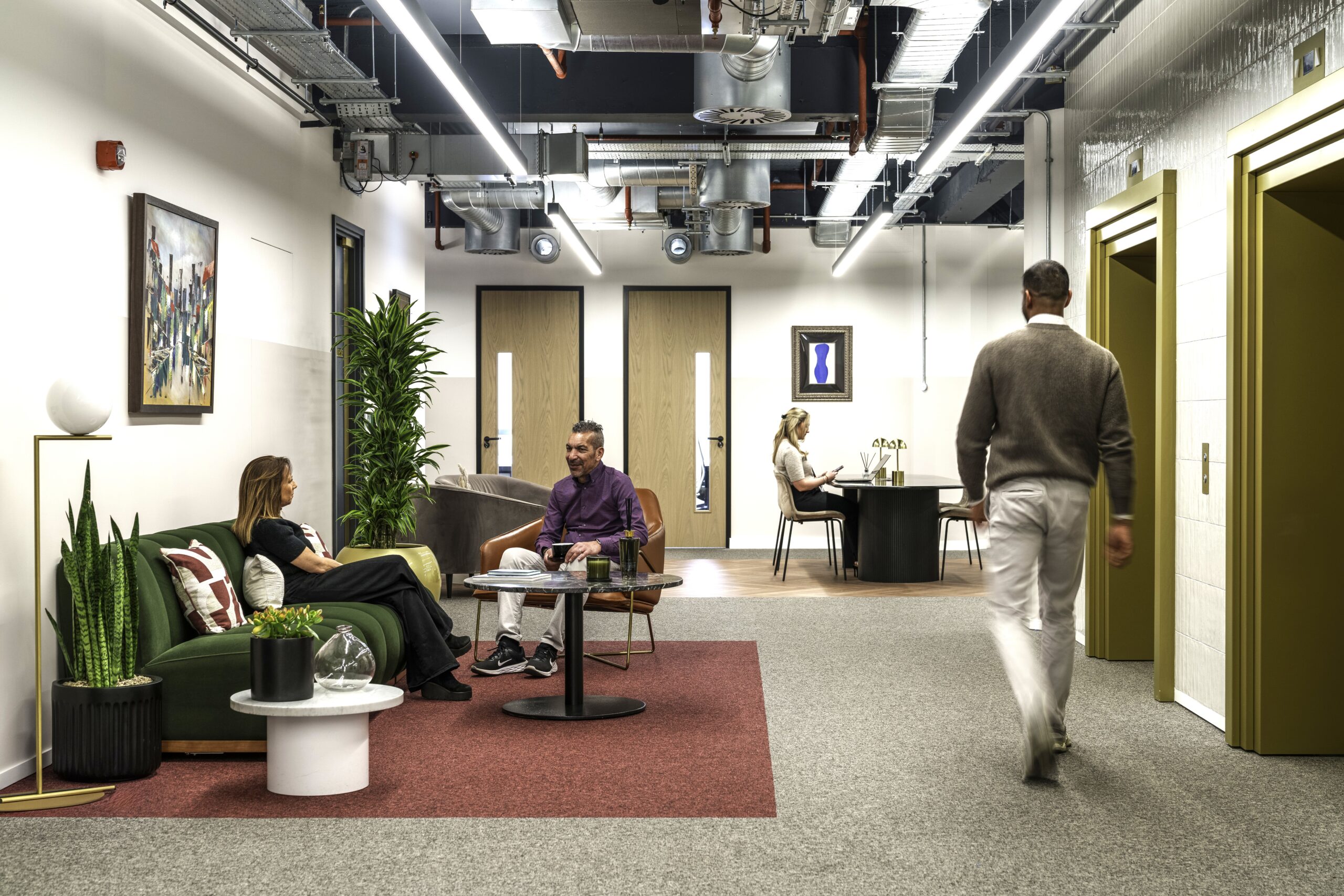
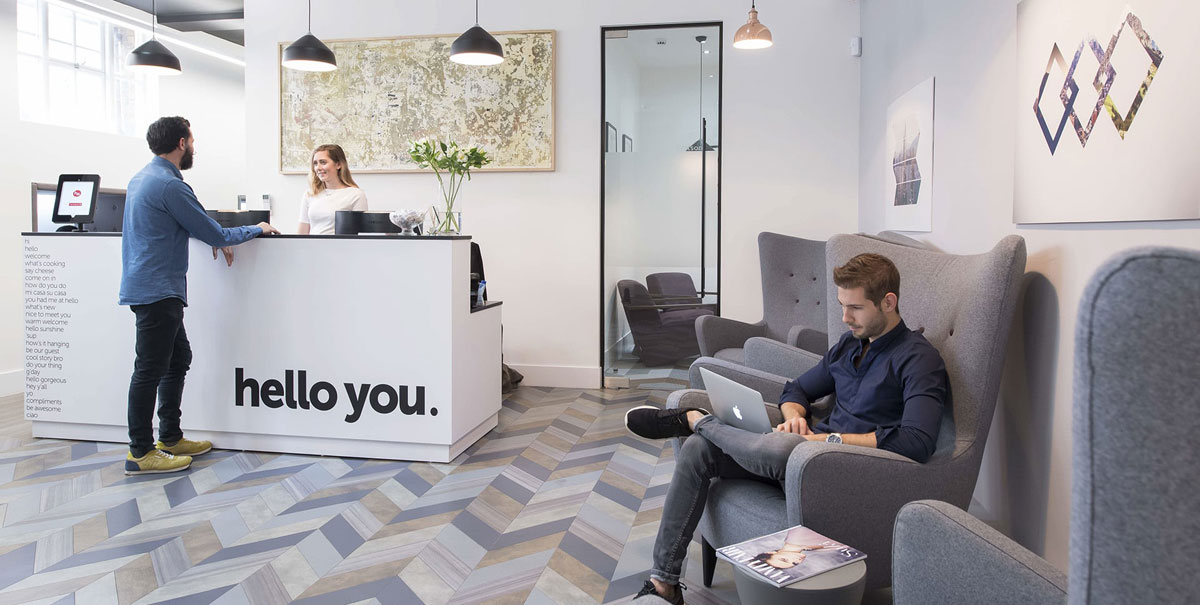
Informal spaces also encourage more transparent communication between leadership teams and employees. When managers are approachable and visible within shared spaces, it helps build trust and strengthens workplace culture.
Businesses operating in flexible offices and managed workspaces benefit greatly from these organic interactions, which can improve workflow and reduce communication barriers across teams.
Designing Spaces That Work
Creating effective informal meeting spaces requires thoughtful design. Successful workplaces offer a variety of environments tailored to different tasks and collaboration styles.
Comfortable furniture, reliable technology, acoustic privacy, and adaptable layouts all contribute to spaces that employees genuinely want to use. Businesses are also incorporating wellness-focused features such as natural light, outdoor access, and biophilic design to improve the overall experience.
The most effective offices combine formal meeting rooms with relaxed collaboration zones, giving employees the freedom to choose the environment that best suits their work.
The Future of Workplace Success
As workplace expectations continue to evolve, informal meeting spaces will play an increasingly important role in business success. Companies that embrace flexibility, collaboration, and employee wellbeing are better positioned to attract talent, foster innovation, and remain competitive.
By integrating casual collaboration areas into modern offices and managed workspaces, businesses create environments where ideas flow more freely, teams communicate more effectively, and employees feel empowered to do their best work.
In today’s business world, some of the most important conversations no longer happen around the boardroom table — they happen in the spaces designed to bring people together naturally.
Images credit – BE Offices Tower Hill