




The way we work has evolved rapidly, and flexible workspaces have become a popular solution for businesses of all sizes.
Whether you’re a freelancer, start-up, or established company, choosing the right workspace can significantly impact productivity, collaboration, and overall success. With so many options available, it’s important to understand what to look for before making a decision.
Location and accessibility
One of the first factors to consider is location. A well-situated workspace can make a big difference for both employees and clients. Look for a space that is easily accessible by public transport and has convenient parking options if required. Proximity to cafés, restaurants, and other amenities can also enhance the workday experience.
Additionally, consider how the location aligns with your brand and business goals. A central, prestigious address may help create a strong impression, while a quieter neighbourhood might better suit focused, independent work.
Flexibility of terms
A key advantage of flexible workspaces is, as the name suggests, flexibility. Unlike traditional office leases, these spaces often offer short-term contracts, scalable options, and the ability to adapt as your business grows.
When evaluating a workspace, check the terms carefully. Can you easily upgrade or downsize your space? Are there penalties for changing your agreement? The right provider should offer options that evolve with your needs, rather than locking you into rigid commitments.
Facilities and amenities
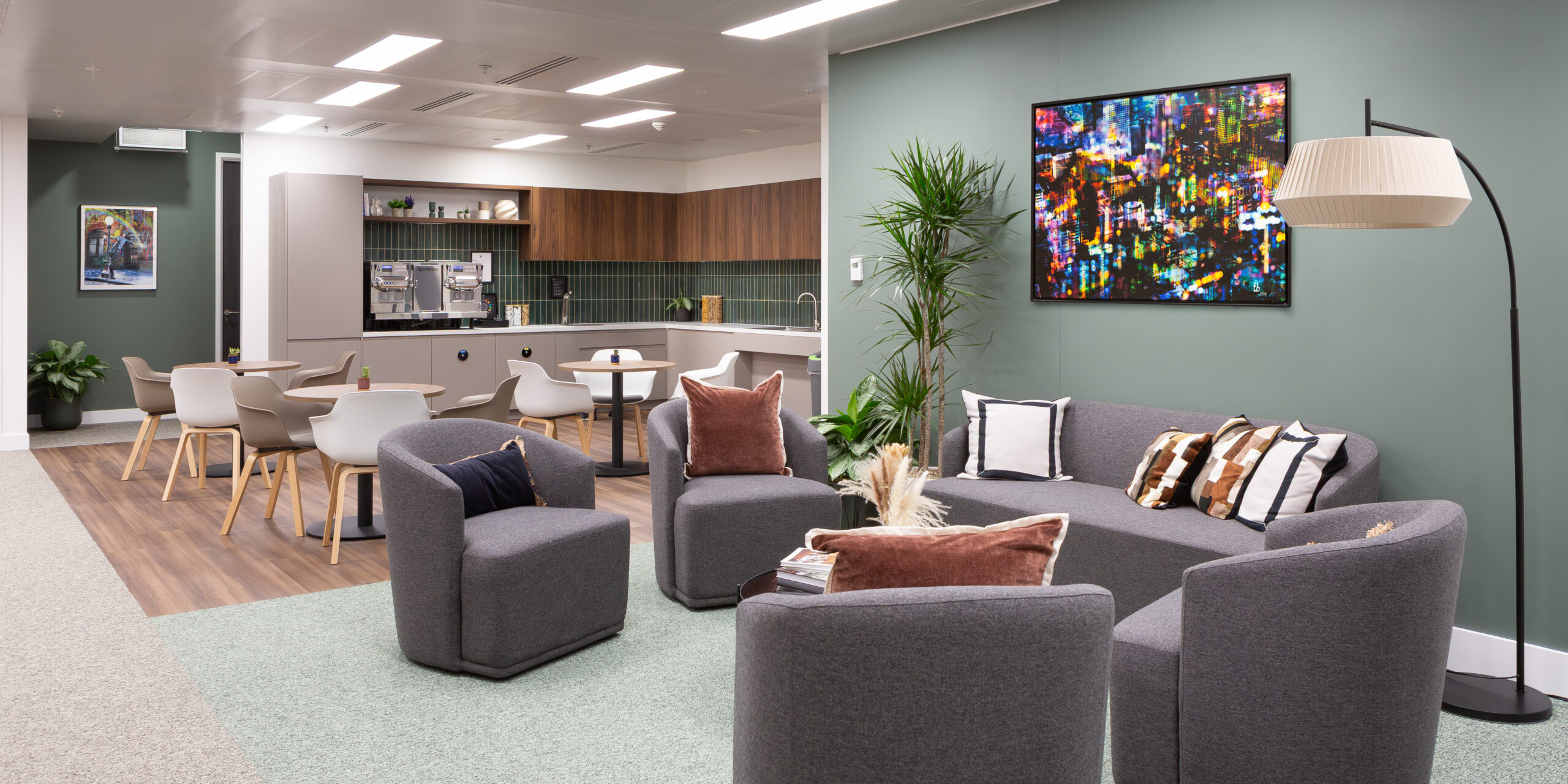
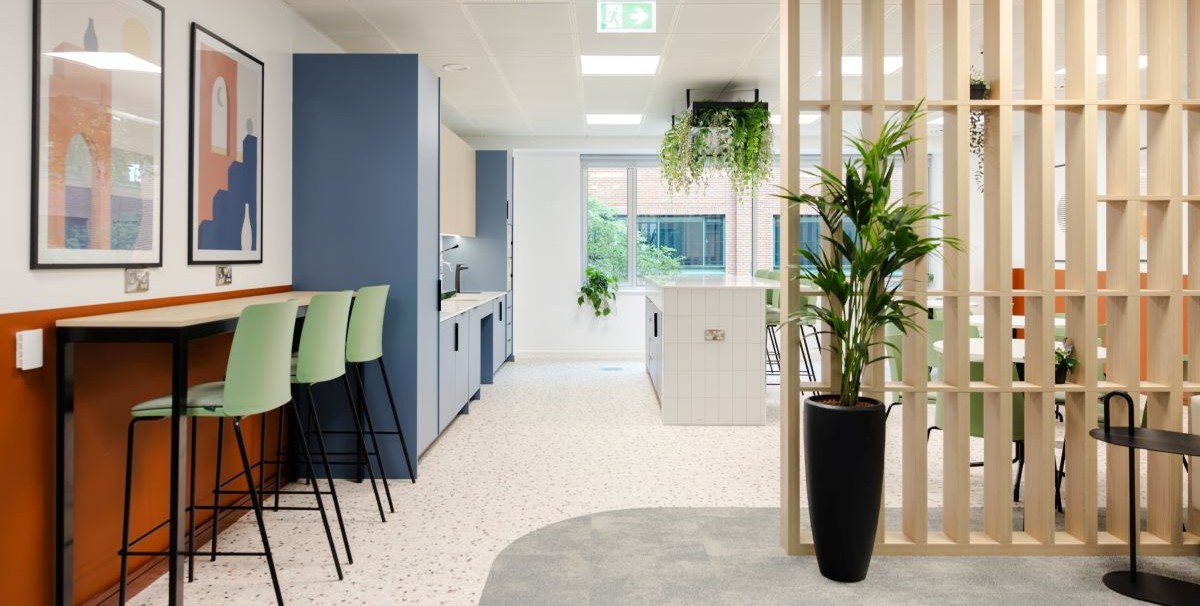
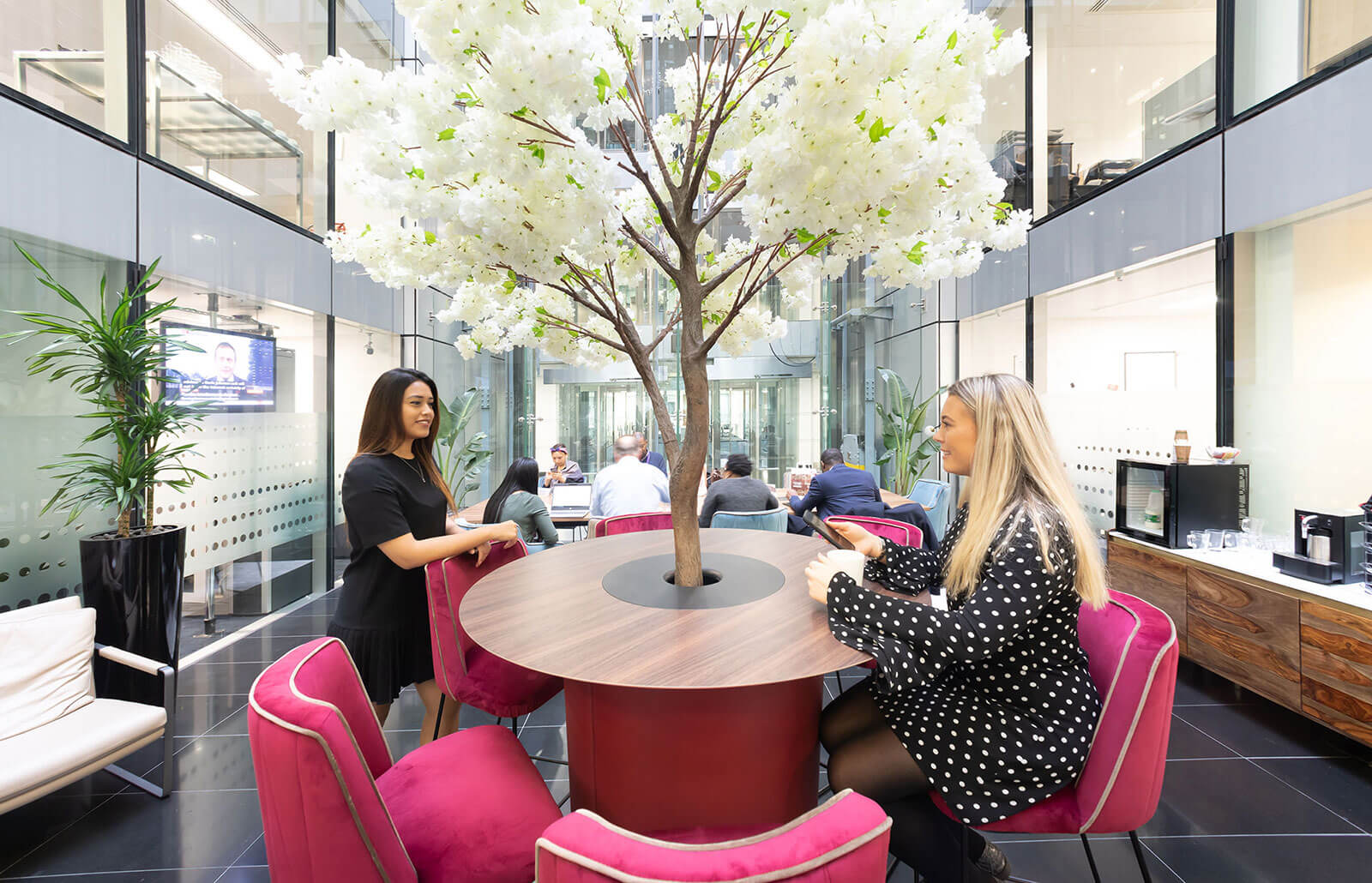
Modern flexible workspaces go beyond desks and chairs. They often include a wide range of amenities designed to support productivity and wellbeing. These may include high-speed internet, meeting rooms, breakout areas, kitchens, and even wellness facilities.

Think about what your team truly needs. For example, if you frequently host clients, professional meeting rooms are essential. If collaboration is key, open-plan areas and shared spaces can be beneficial. On the other hand, if your work requires concentration, quiet zones or private offices may be more suitable.
Technology and infrastructure
Reliable technology is non-negotiable in today’s working environment. Ensure the workspace provides fast and secure internet, as well as the infrastructure to support your operations. This might include printing services, IT support, and secure access systems.
It’s also worth considering how future-proof the space is. As your business grows or adopts new tools, the workspace should be able to support increased demand without disruption.
Community and networking opportunities
One of the unique benefits of flexible workspaces is the opportunity to connect with other professionals. Many spaces foster a sense of community through events, networking sessions, and shared areas.
If collaboration and networking are important to you, look for a workspace with an active and engaged community. This can lead to new partnerships, ideas, and business opportunities. However, if you prefer a quieter environment, ensure there are options to work privately when needed.
Cost transparency
Budget is always a key consideration. Flexible workspaces often bundle services into a single monthly fee, which can simplify budgeting. However, it’s important to understand exactly what is included.
Ask about additional costs such as meeting room bookings, printing, or after-hours access. A transparent pricing structure will help you avoid unexpected expenses and ensure the workspace offers good value for money.
Design and work environment
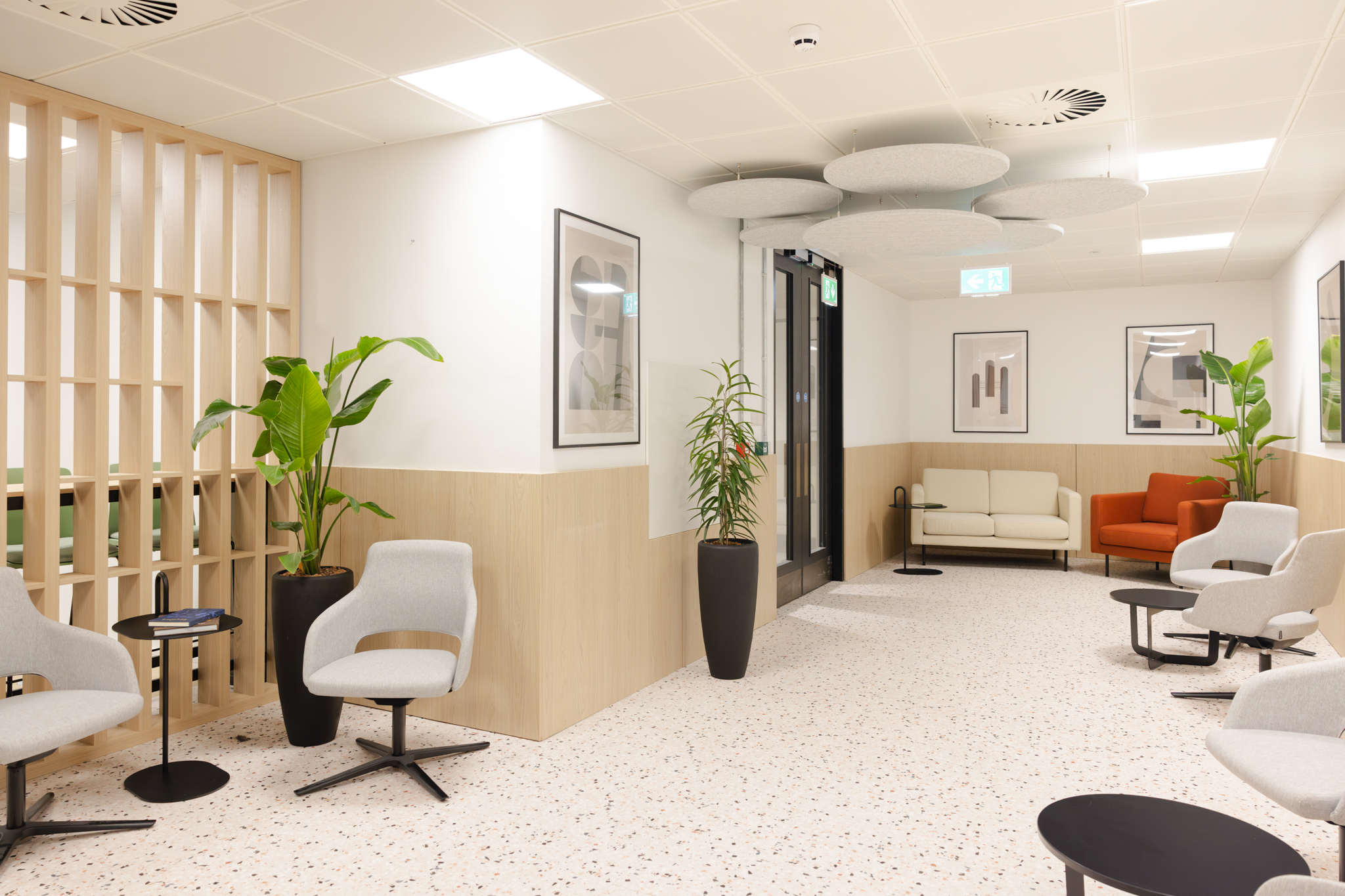
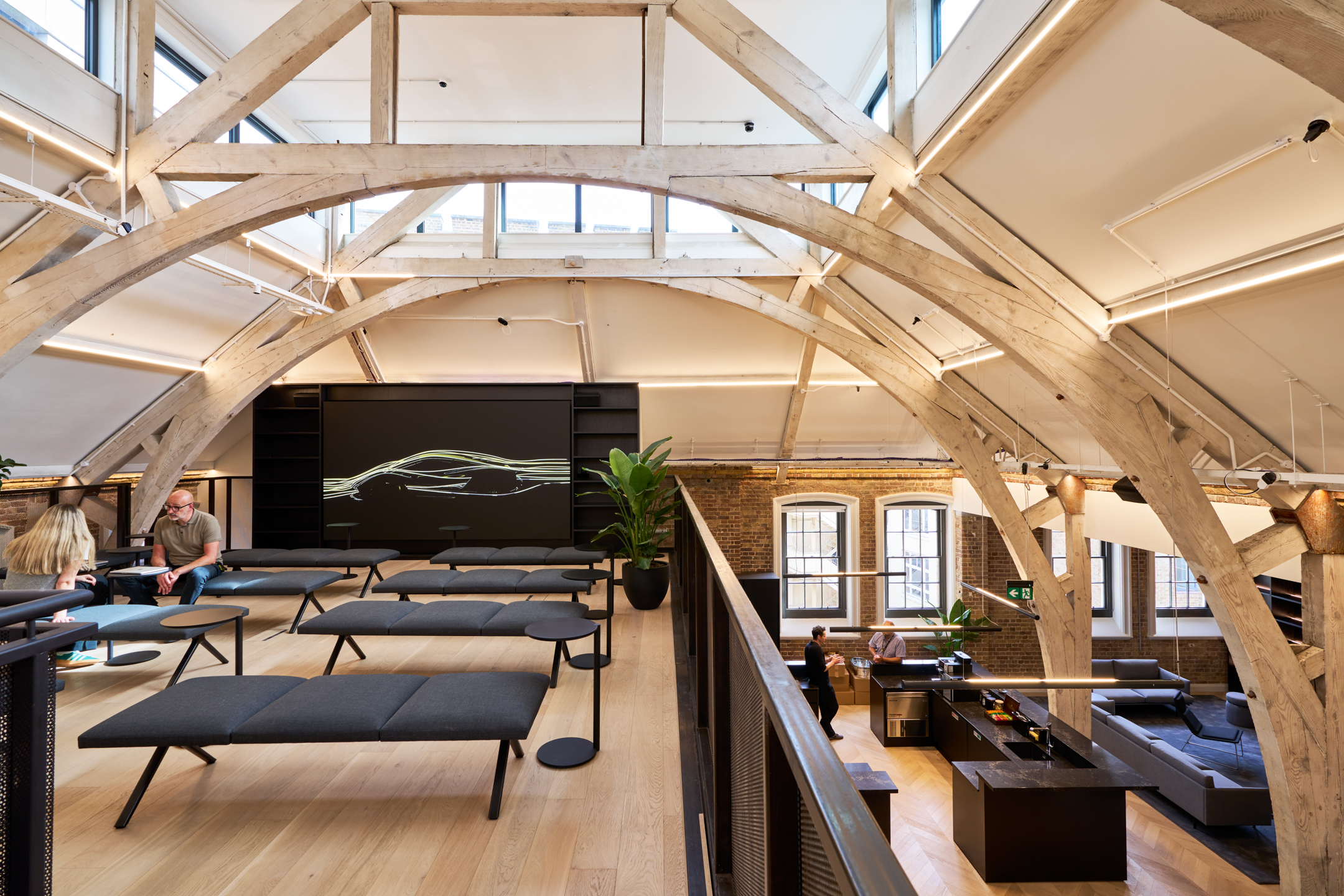
The physical environment plays a crucial role in productivity and wellbeing. A well-designed workspace with natural light, comfortable furniture, and thoughtful layout can boost morale and efficiency.
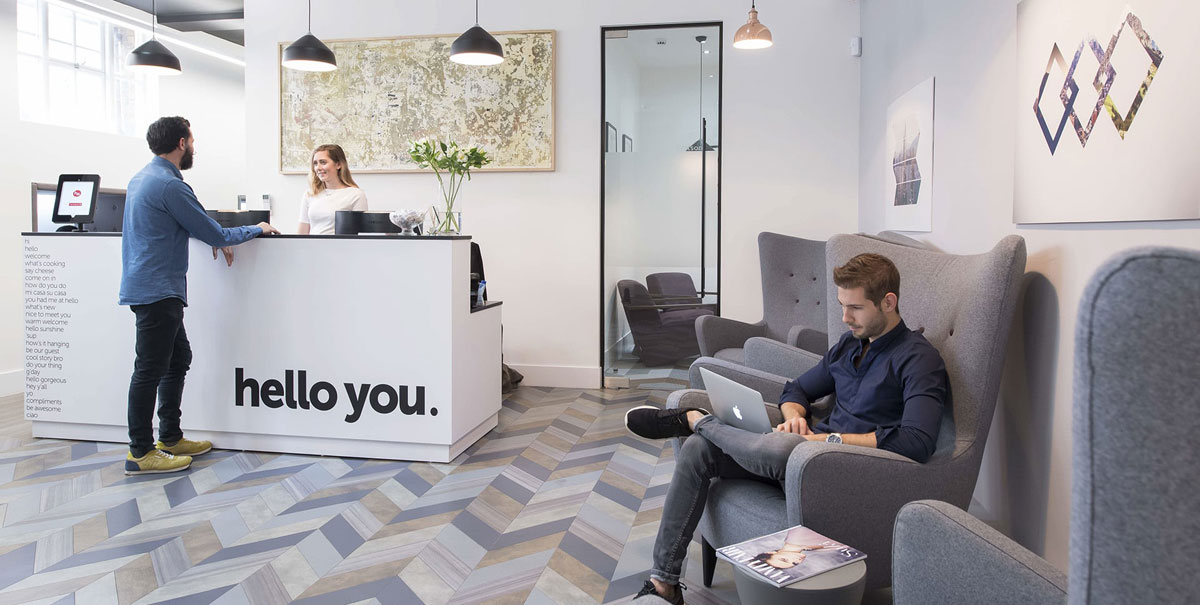
Consider how the space feels when you visit. Is it welcoming and professional? Does it reflect your company culture? A workspace should not only meet practical needs but also create an environment where people enjoy working.
Security and privacy
Security is another important factor, particularly if you handle sensitive information. Look for workspaces that offer secure access, CCTV, and data protection measures.
If privacy is a priority, ensure there are options for private offices or soundproof meeting rooms. This is especially important for businesses that deal with confidential client information or require uninterrupted focus.
Choosing the right flexible workspace is about more than just finding a desk. It’s about selecting an environment that supports your business goals, enhances productivity, and adapts to your changing needs.
By carefully considering location, flexibility, amenities, technology, community, cost, design, and security, you can find a workspace that not only meets your current requirements but also positions your business for future success.