




As businesses grow, their workspace needs to evolve. Whether you are expanding your team, launching a new venture or adopting hybrid working, choosing the right office space can make a significant difference to your success.
Flexible workspace offers a practical alternative to traditional office leases, giving businesses the freedom to adapt their working environment as their needs change.In this guide, we explore what a flexible workspace is, its key benefits and how growing businesses can choose the right solution.
What is flexible workspace?
A flexible workspace is a fully furnished and serviced working environment that businesses can use on flexible terms. Unlike traditional commercial offices, which often require long-term leases and substantial upfront investment, flexible workspaces offer a range of membership options, contract lengths and facilities.
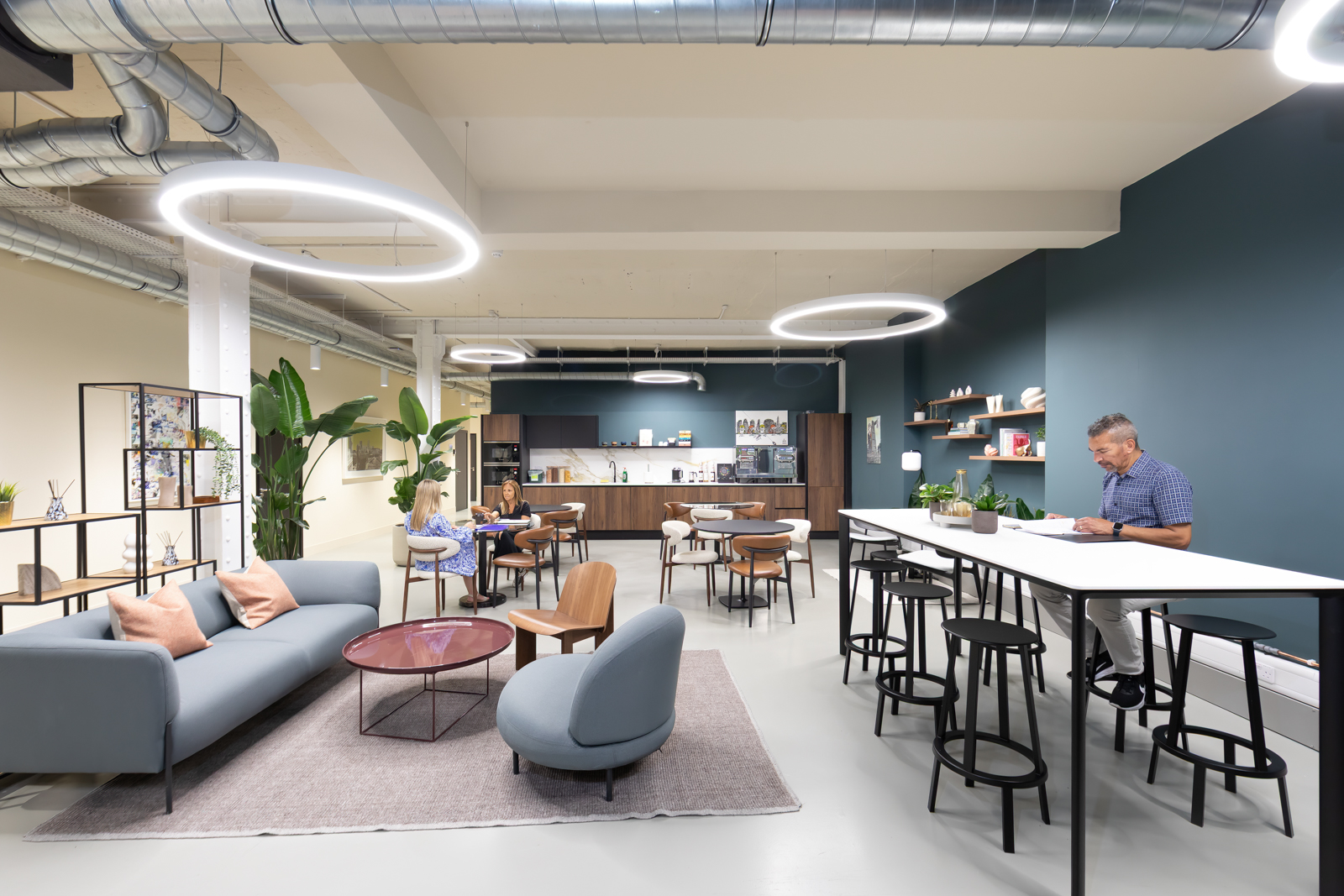
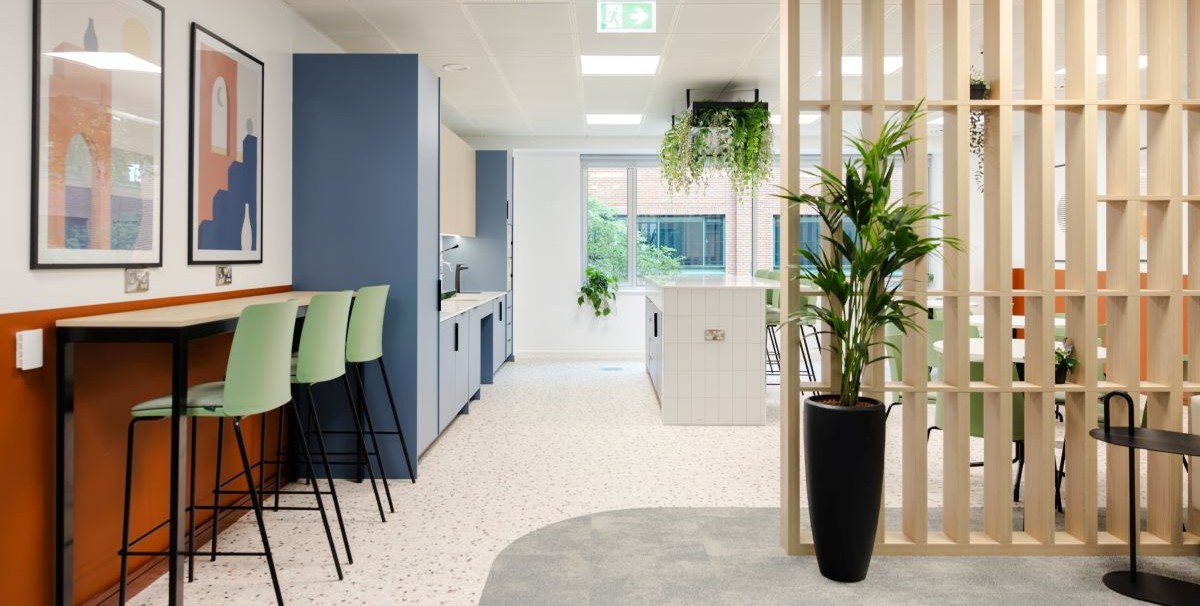
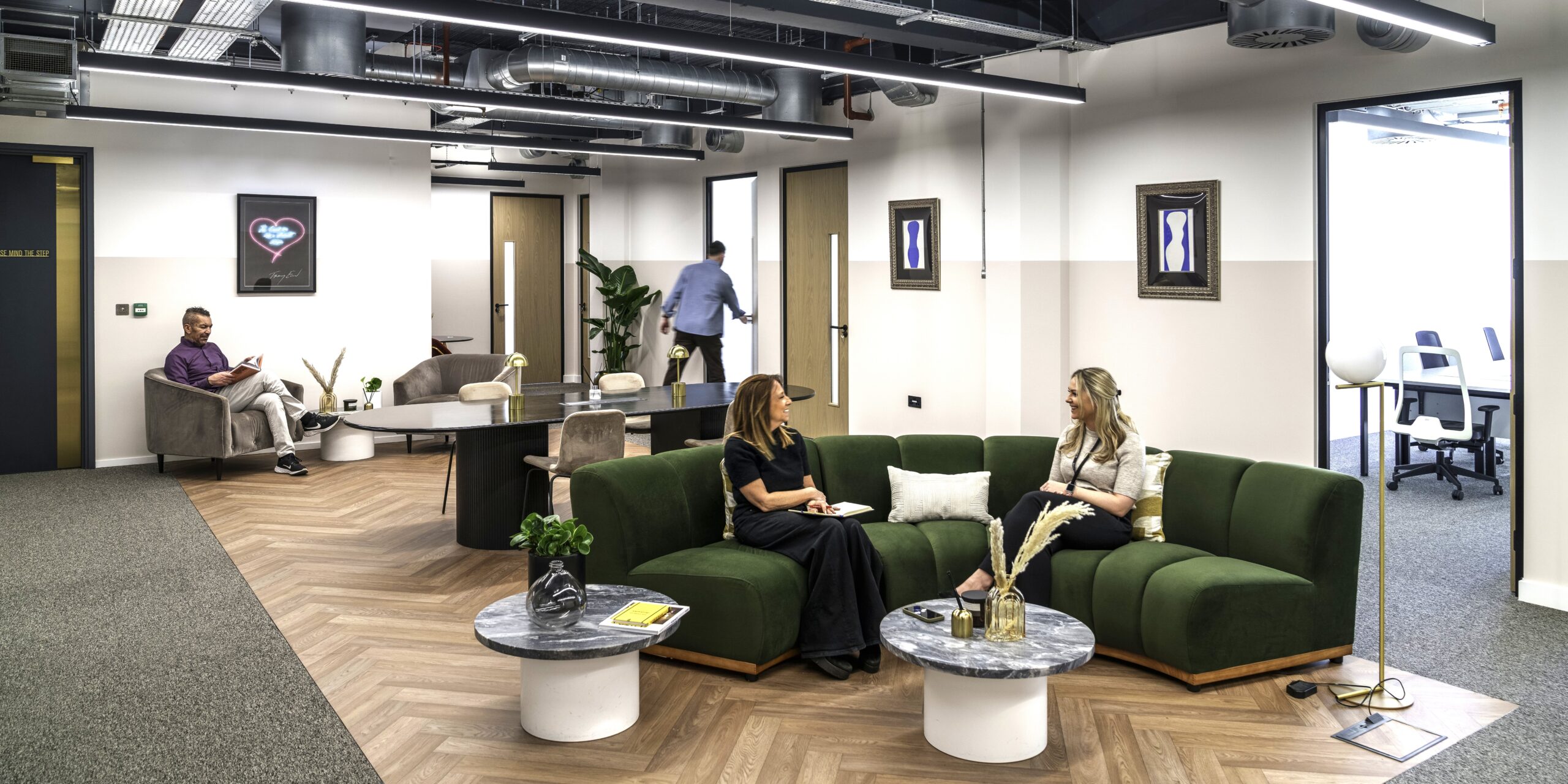
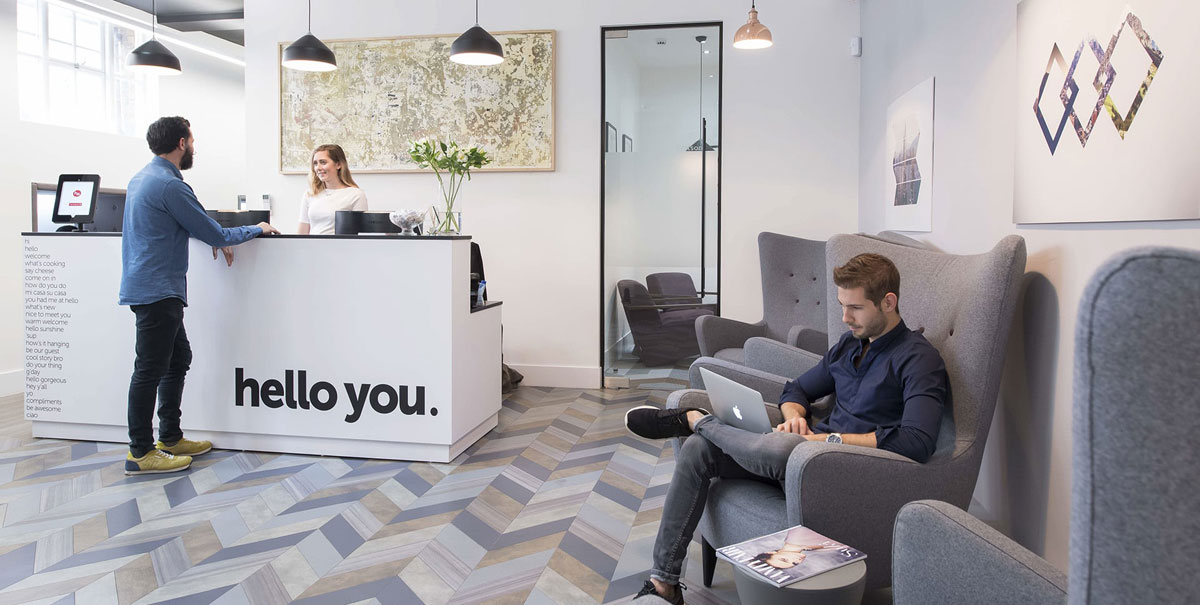
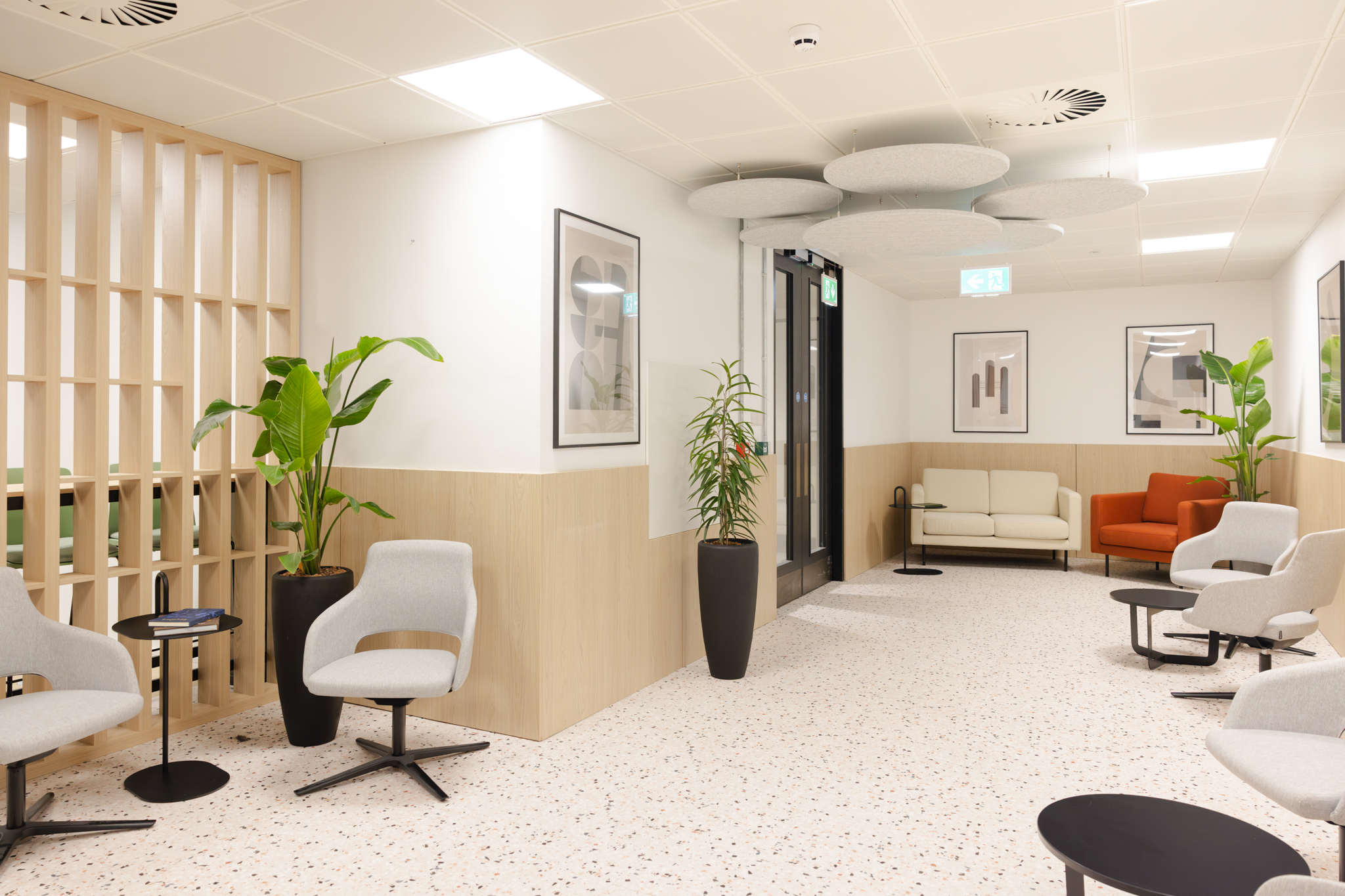
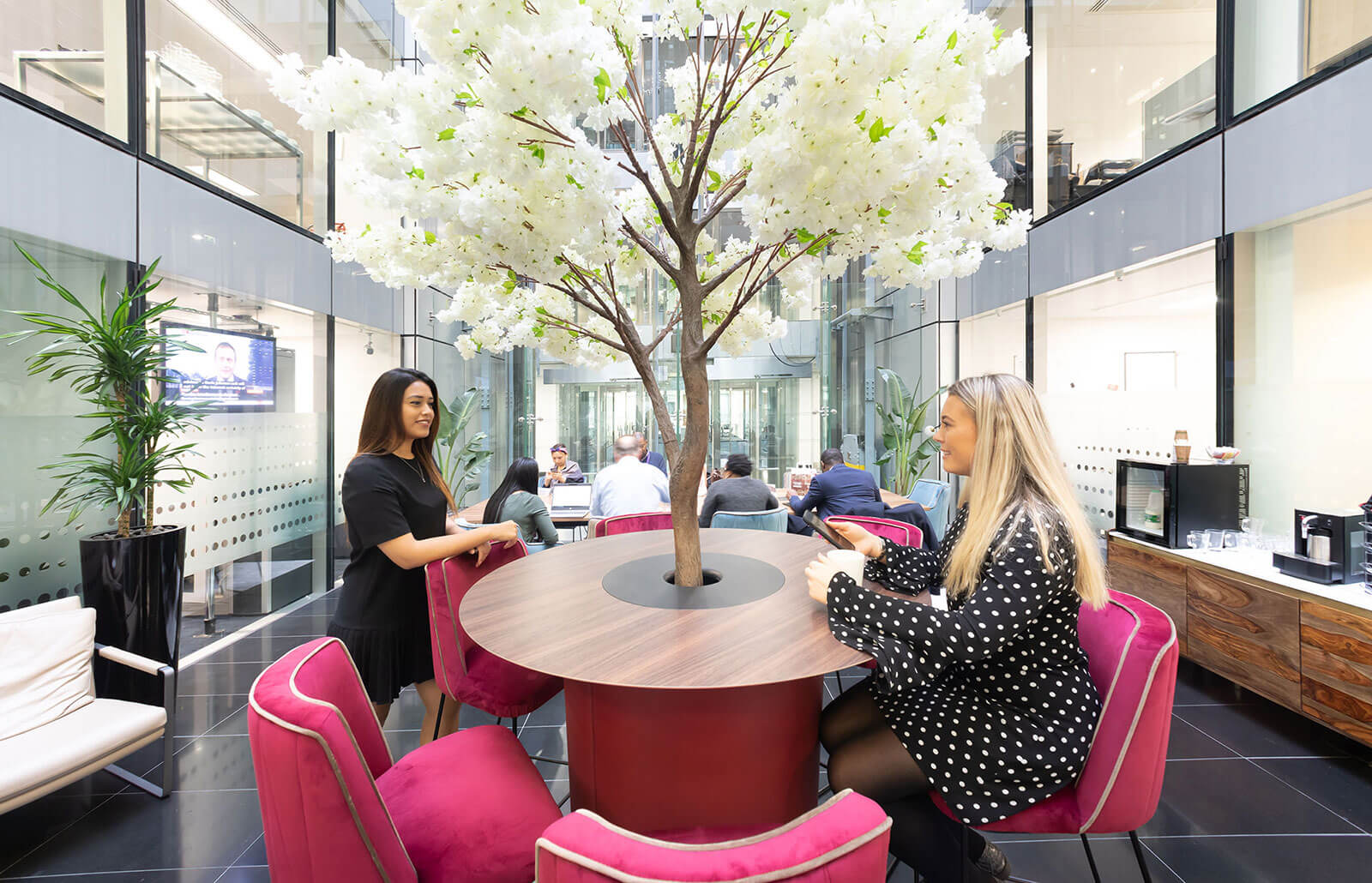
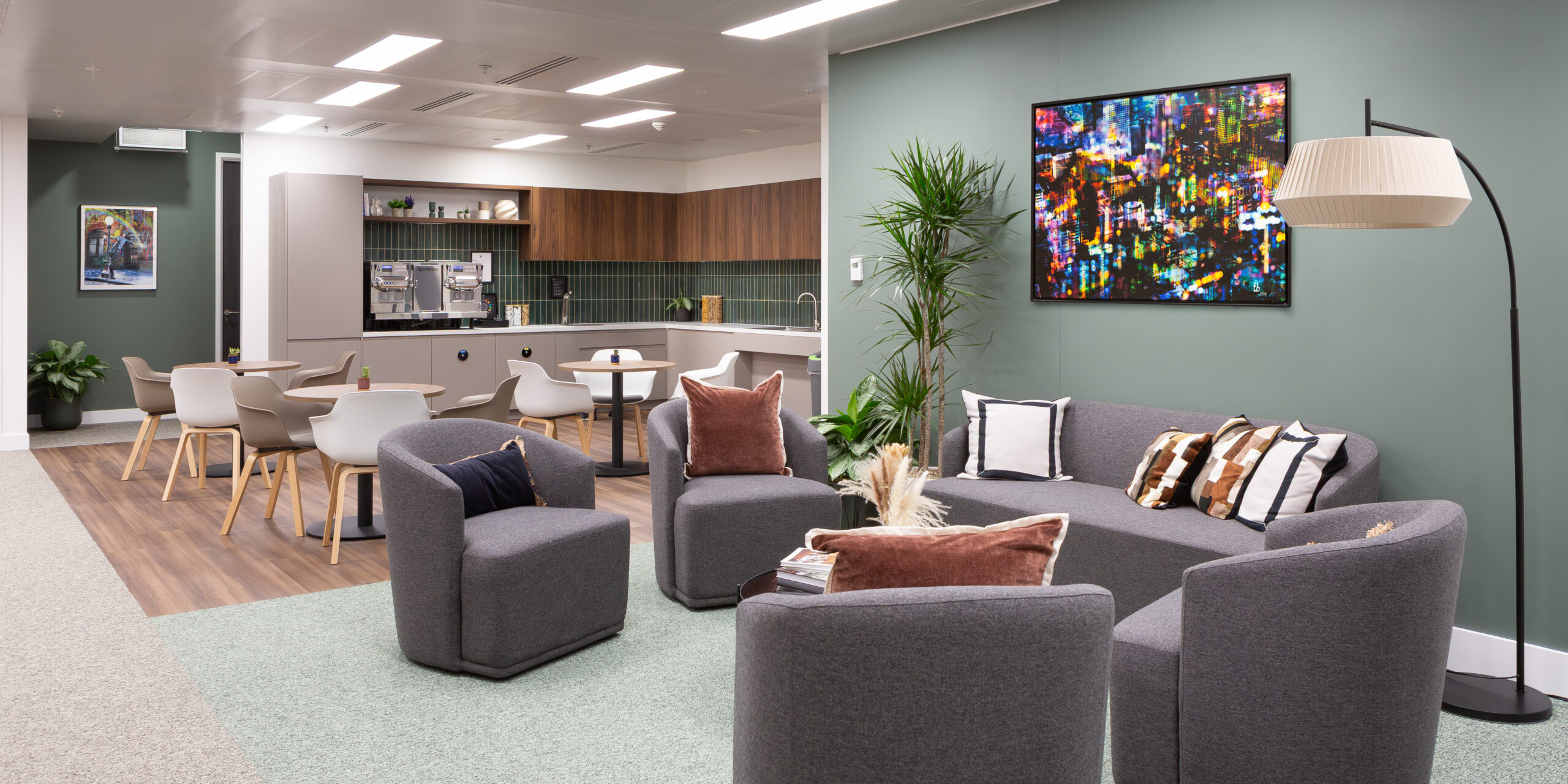
These spaces can include coworking areas, private offices, meeting rooms, shared facilities and dedicated desks. Businesses can typically access essential amenities such as high-speed internet, utilities, reception services and communal areas within one convenient package.
Flexible workspaces are suitable for start-ups, freelancers, small businesses and established companies looking for adaptable office solutions without the financial and administrative commitments of a conventional lease.
How does a flexible workspace work?
Flexible workspaces operate on a membership or licence agreement, allowing businesses to select the space and services that suit their requirements.
Depending on the provider, options may include:
Coworking space: Shared working environments ideal for freelancers, remote workers and small teams.
Private offices: Secure, dedicated office spaces for businesses that need privacy and room to collaborate.
Dedicated desks: Permanently assigned desks within a shared office environment.
Meeting rooms: Professional spaces for client meetings, presentations, interviews and team discussions.
Virtual offices: Business addresses and selected administrative services without the need for a permanent physical office.
Many providers offer monthly memberships or other short-term agreements, making it easier to scale up or down as business circumstances change.<
The benefits of flexible workspaces for growing businesses
1. Greater flexibility and scalability
One of the biggest advantages of a flexible workspace is the ability to adapt quickly. As your business expands, you can move into a larger office, add desks or access additional meeting rooms. If your team becomes smaller or adopts more remote working, you can adjust your requirements accordingly.
This flexibility helps businesses avoid paying for unused space or committing to offices that may no longer meet their needs.
2. Lower upfront costs
Traditional office leases can involve significant expenses, including deposits, furniture, fit-outs, utilities and ongoing maintenance. Flexible workspaces typically combine many of these costs into a single membership fee.
This can make budgeting more predictable and free up capital for other priorities, such as recruitment, marketing and product development.
3. Professional facilities and amenities
A flexible office provides access to professional facilities without the responsibility of managing them yourself. High-speed internet, meeting rooms, breakout areas and reception services can help create a productive working environment.
Having access to professional meeting spaces can also strengthen your business image when welcoming clients, partners and prospective employees.
4. Networking and collaboration opportunities
Shared workspaces bring together professionals and businesses from different industries. This creates opportunities to exchange ideas, develop relationships and discover potential partnerships.
For growing businesses, these connections can be valuable for generating referrals, sharing knowledge and identifying new commercial opportunities.
5. Support for hybrid working
As hybrid working becomes more common, businesses need offices that support both remote and in-person collaboration. Flexible workspaces allow employees to access a professional environment when required, without maintaining a permanent desk for every team member.
This approach can improve space utilisation while giving employees greater choice over where they work.
How to choose the right flexible workspace
When comparing flexible office spaces, consider your budget, team size, location and working patterns. Look for convenient transport links, reliable internet, suitable meeting facilities and enough room for future growth.
It is also important to understand the membership terms, including notice periods, additional charges, access hours and the availability of larger offices if your business expands.
Choose a workspace that supports your current operations while offering the flexibility to accommodate your long-term plans.
Is a flexible workspace right for your business?
A flexible workspace can be an excellent option for businesses that value adaptability, predictable costs and professional facilities. From start-ups establishing their first office to growing companies expanding into new locations, flexible workspace solutions offer a practical way to support business development.
By choosing the right workspace, you can create a productive environment, support your employees and focus on what matters most: growing your business.
Ready to find your ideal flexible workspace? Explore the available options and discover an office solution that fits your team, budget and ambitions.
Images: BE Offices Aldgate & Old Street