




Occupying an office has traditionally come with a long list of challenges: complex leases, unpredictable costs, ongoing maintenance, and the constant distraction of managing a space rather than running a business.
For many organisations, the administrative burden of office occupation can quickly outweigh the benefits of having a physical workplace. This is where managed workspaces offer a smarter, simpler alternative.
Managed workspaces are designed to remove the friction from office occupation, providing businesses with fully serviced, flexible environments that allow them to focus on growth rather than logistics.
The hidden complexity of traditional office occupation
Taking on a conventional office lease often means committing to long-term contracts, fitting out the space yourself, arranging utilities, managing suppliers, and dealing with repairs as they arise. These responsibilities demand time, internal resources, and expertise that many businesses simply don’t have.
Costs can also be difficult to forecast. Service charges fluctuate, dilapidations loom at the end of a lease, and unexpected maintenance issues can disrupt both budgets and productivity. For growing or evolving organisations, this lack of flexibility can feel like a constant headache.
What is a managed workspace?
A managed workspace is a fully operational office solution where the day-to-day running of the space is handled on your behalf. This typically includes furniture, utilities, cleaning, maintenance, reception services, and high-speed connectivity — all wrapped into a single, predictable monthly fee.
Rather than occupying an office in the traditional sense, businesses gain access to a workspace that is ready to use from day one and easy to adapt as needs change.
Simplifying costs and contracts
One of the biggest advantages of managed workspaces is financial clarity. Instead of juggling multiple invoices for rent, rates, utilities, and services, businesses benefit from a single all-inclusive cost. This makes budgeting easier and removes the risk of surprise expenses.
Flexible terms are another key benefit. Managed workspace agreements are usually shorter and more adaptable than conventional leases, allowing companies to scale up or down without the stress of being locked into unsuitable premises. This flexibility is particularly valuable for fast-growing businesses, project-based teams, or companies navigating uncertain market conditions.
Removing the operational burden
Office occupation shouldn’t distract from your core business — but too often it does. Managed workspaces remove this burden entirely. Building management, compliance, health and safety, cleaning, and repairs are all taken care of by an experienced operator.
When something breaks, it’s fixed. When regulations change, compliance is managed. When the office needs to evolve, solutions are already in place. This hands-off approach gives leadership teams peace of mind and frees employees from dealing with issues that have nothing to do with their roles.
A better experience for teams
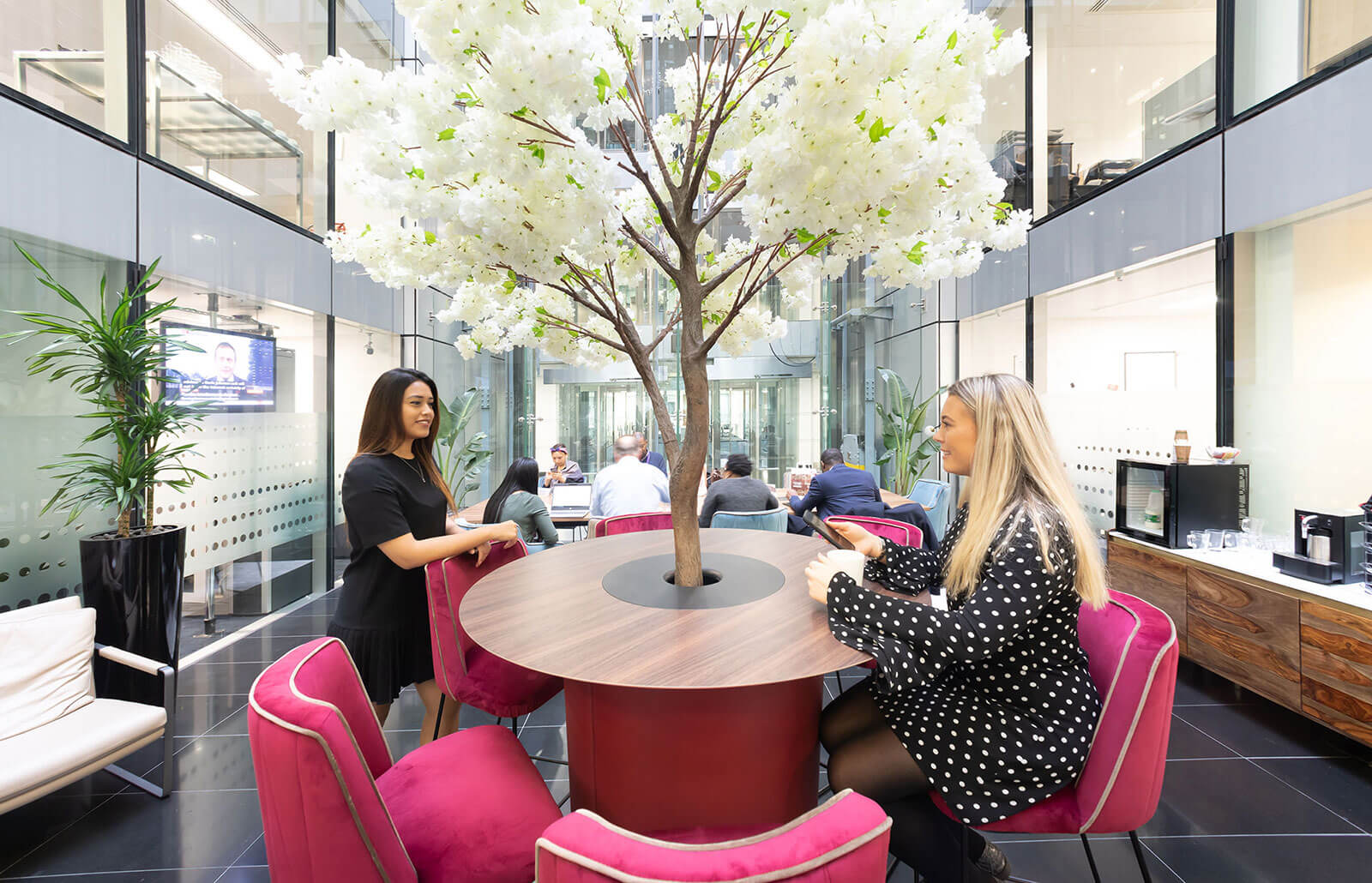
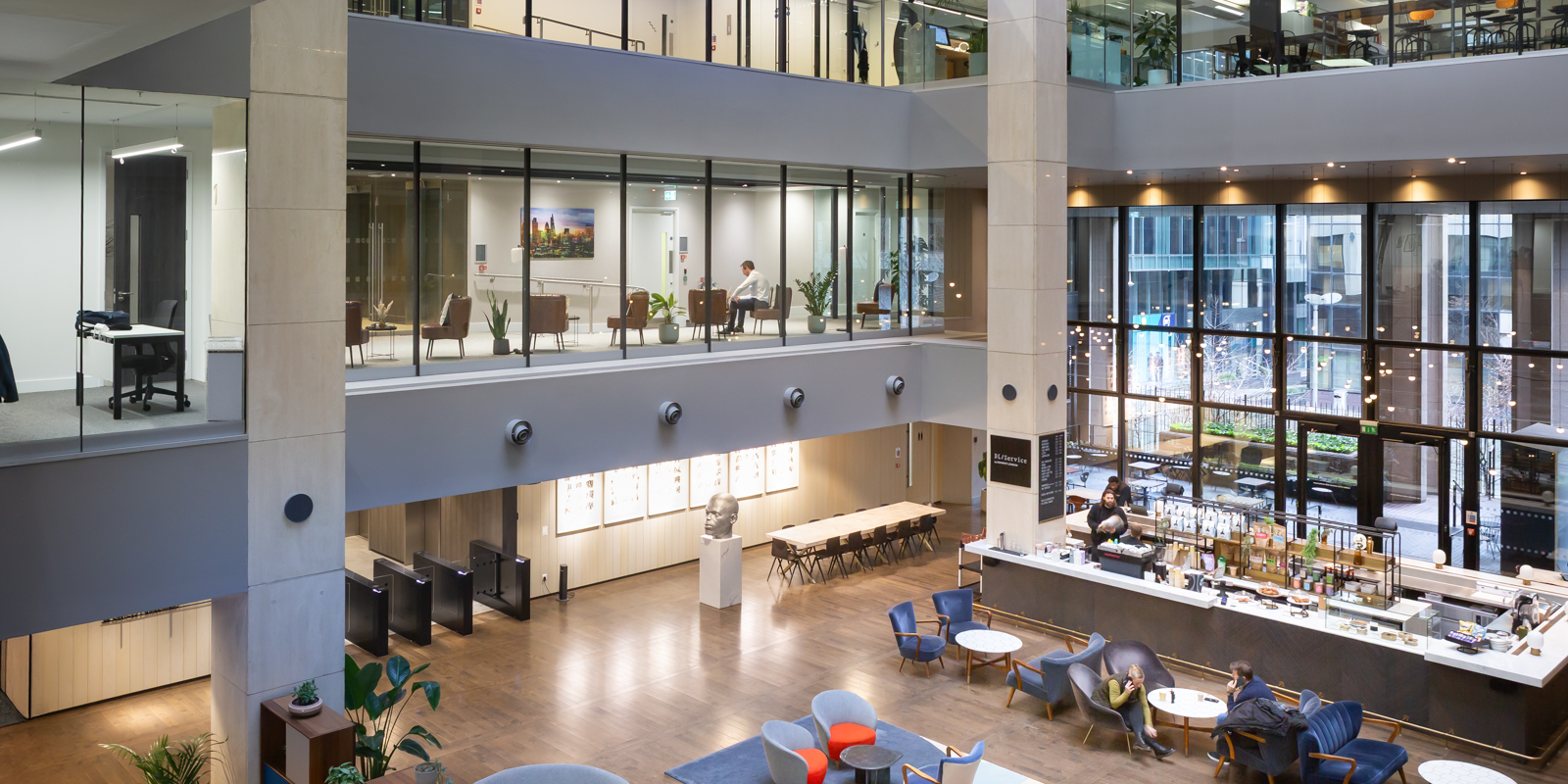
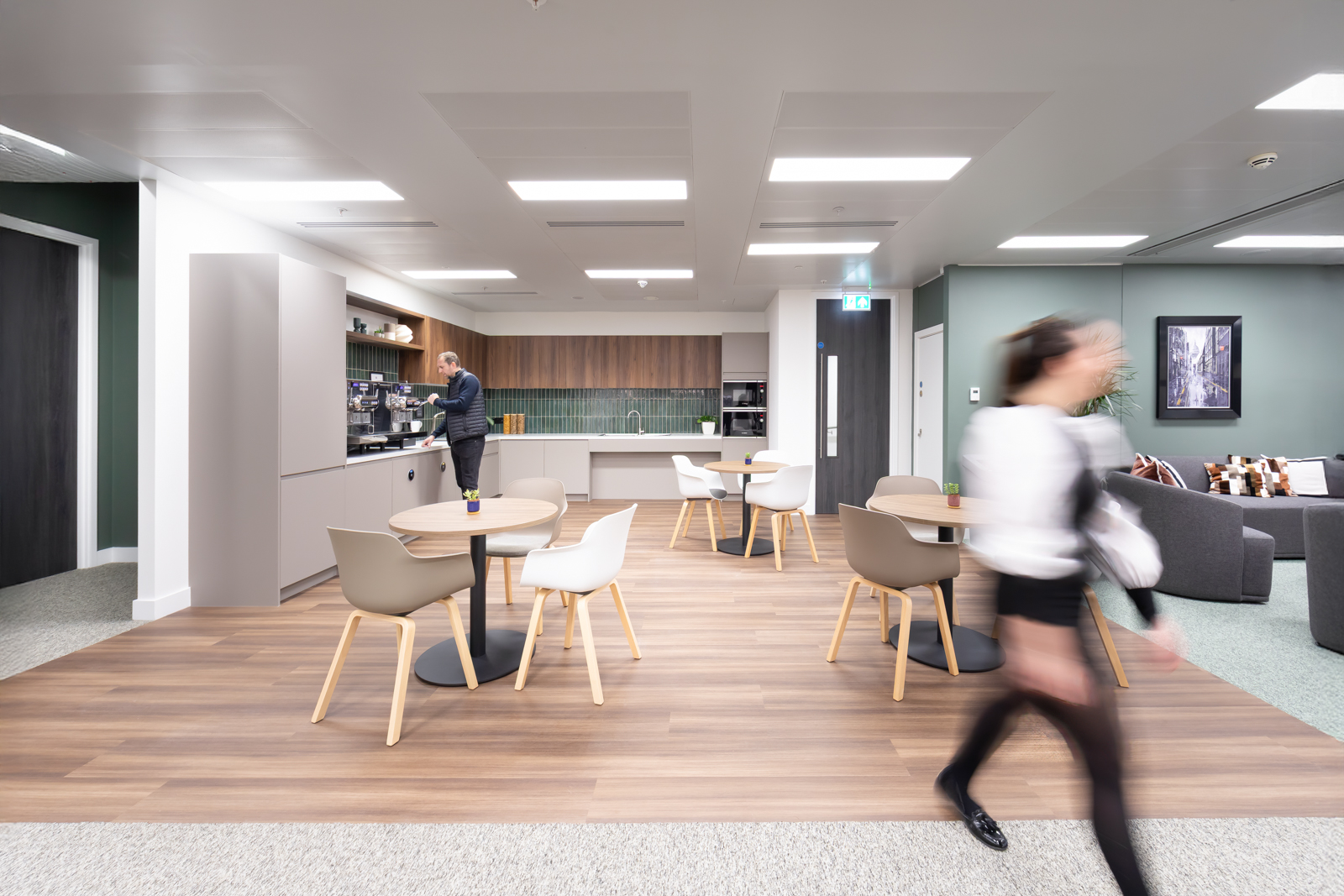
Managed workspaces are designed with people in mind. High-quality interiors, well-maintained communal areas, and professional support services create a more productive and enjoyable working environment.
Because the space is professionally managed, businesses can also benefit from amenities that would be costly or impractical to provide independently, such as meeting rooms, breakout spaces, reception teams, and on-site support staff. The result is a workplace that supports collaboration, wellbeing, and performance without adding management complexity.
Built-in scalability for growing businesses
As organisations grow or change, their workspace needs often shift quickly. Managed workspaces offer built-in scalability, allowing businesses to expand into additional space, reconfigure layouts, or relocate with minimal disruption.
This adaptability removes one of the most common pain points of office occupation: outgrowing a space too soon or being stuck with unused desks and wasted costs. Managed workspace providers can respond quickly, ensuring the office always fits the business — not the other way around.
Focus on business, not buildings
At their core, managed workspaces remove the headache from office occupation by redefining what it means to have an office. Instead of managing a building, businesses gain a service. Instead of complexity, they gain simplicity. Instead of rigid commitments, they gain flexibility.
For companies seeking a more efficient, predictable, and people-focused approach to office occupation, managed workspaces offer a compelling solution. By outsourcing the operational challenges of the workplace, organisations can concentrate on what really matters: their people, their clients, and their growth.
Images @BE Offices White Chapel Building