




There’s something undeniably cinematic about the story of an ambitious teenager sneaking into a film studio, finding an empty office and pretending it’s his own.
Then, one day, through talent, charm and a bold outlook, he becomes one of the most influential directors in the history of cinema. It sounds like the plot of a film, but this story is real and its main character is none other than Steven Spielberg.
Long before he became the mind behind some of the most iconic films of all time such as Jaws, ET, Jurassic Park and Saving Private Ryan, he was just a youth with a camera, a briefcase and a daring plan. What followed was a masterclass in how the right environment, even if you have to create it for yourself, can transform raw ambition into reality.
Spielberg’s resourceful approach to utilising a room can teach us something valuable today, especially in a climate where flexible office space in London is helping today’s creatives, entrepreneurs and professionals shape their own breakthroughs.
A filmmaker who redefined the industry
Born in Cincinnati in 1946, Spielberg began making amateur films as a child, often casting his friends and siblings in imaginative adventures. By his early twenties, he had already directed Joan Crawford in an episode of macabre TV series Night Gallery. Then, aged 25, his first film, Duel, a tense thriller featuring a commuter terrorised by the driver of a 40-ton truck, grabbed Hollywood’s attention.
What followed was an unprecedented streak of success, with the majority of movies directed by Steven Spielberg being renowned all over the world. Action adventure horror Jaws in 1975 essentially created the modern blockbuster, while ET in 1982 showed his knack for emotional storytelling, ensuring the audience rooted for a lonely alien who wanted to go home. Jurassic Park in 1993 redefined special effects with its scenes of dinosaurs brought back to life. Then came Saving Private Ryan in 1998, an award-winning war film that blended gritty realism with Spielberg’s emotive storytelling.
He has since become the highest grossing film director of all time, earning around £7.3 billion at the global box office. He has won three Academy Awards, a Presidential Medal of Freedom and an honorary knighthood, while his influence on global culture is immeasurable. What makes Spielberg’s story so remarkable isn’t just his success: it’s the unconventional way he achieved his big break.
The legend of an empty office
In the mid-1960s, Spielberg was just a 16-year-old visiting his relatives in California. By his own account, he took the Universal Studios tour, and during a bathroom break, he stepped off the tram and wandered into the working parts of the lot. There, he met Chuck Silvers, head of the editorial department, and convinced him to watch a few of his 8mm short films. Silvers was impressed and gave the youth a day pass to come back.
The next day, Spielberg showed up in a suit, carrying a briefcase filled with little more than a sandwich and chocolate bars. He walked confidently past the guard and started soaking up the environment. He even found an empty office, Room 23C, placed his name on the door and began working from there, undetected, for months.
There appears to be truth at the heart of the legend, as he did spend plenty of time on the lot without formal employment. He hustled to make connections, learned from those around him and used someone else’s office to work on scripts, answer calls and create a sense of purpose. He wasn’t officially on the payroll, but he made the office his own, turning a small workspace into the foundation of a career that would change the face of cinema.
An environment that fuels ambition
This story begs a deeper question: what makes a good working environment? It was simply being in a hub of opportunity; having a place to sit and focus; and an ability to immerse himself into the heart of a creative industry. His humble, repurposed space allowed him to absorb knowledge, meet mentors and develop his skills.
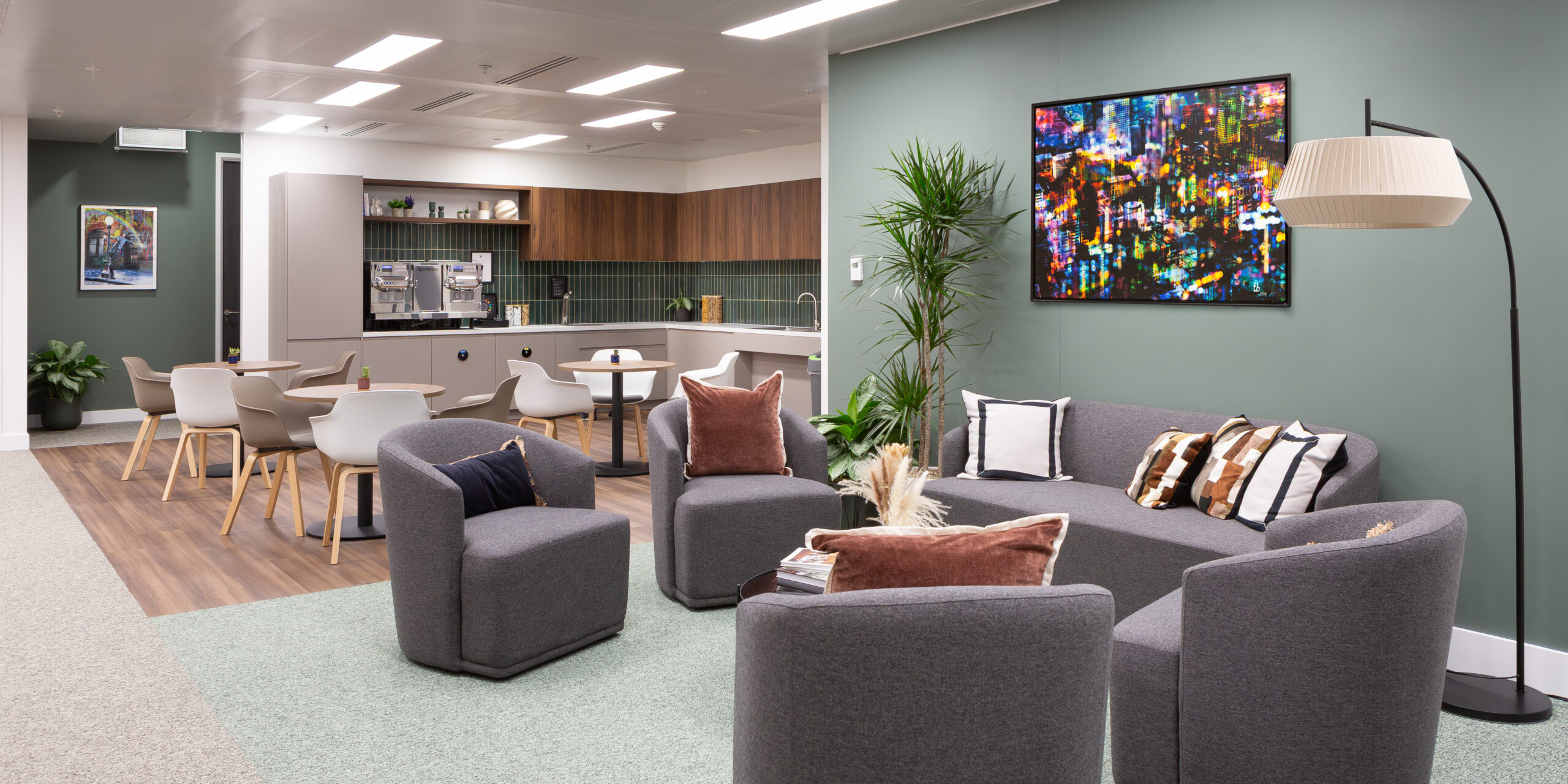
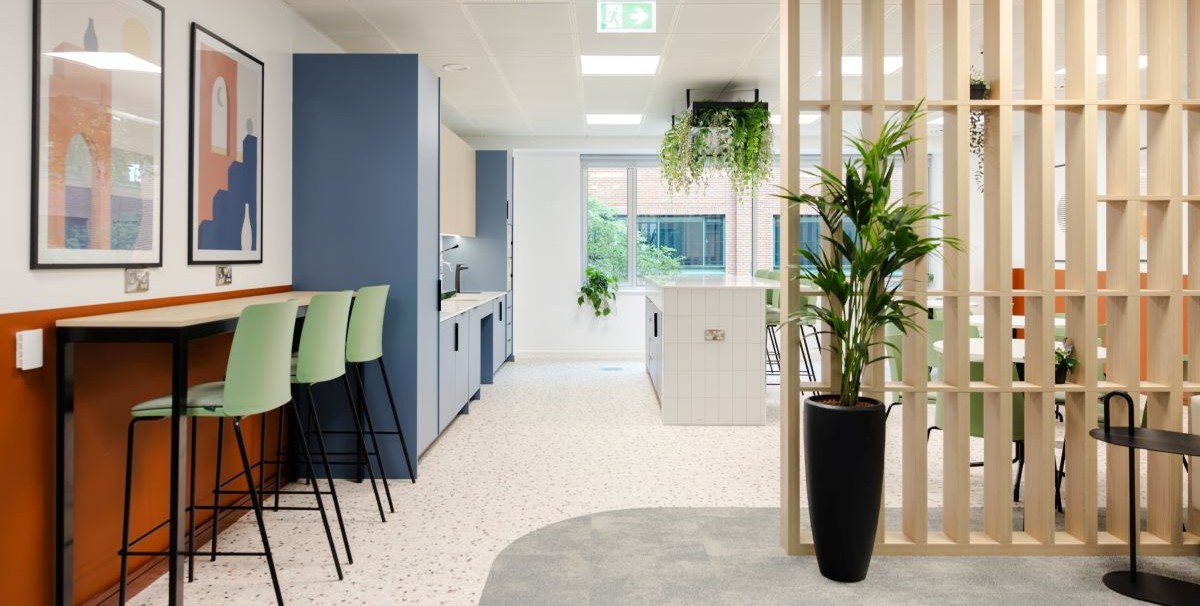
The lesson is clear: sometimes the environment you need doesn’t exist yet, so you create it a – principle that holds true today. We live in a world where people don’t have to sneak into buildings to chase their dreams. In cities like London, you can now find flexible office space that provides the ingredients Spielberg once improvised; a professional setting, creative energy and proximity to the people and tools that matter.
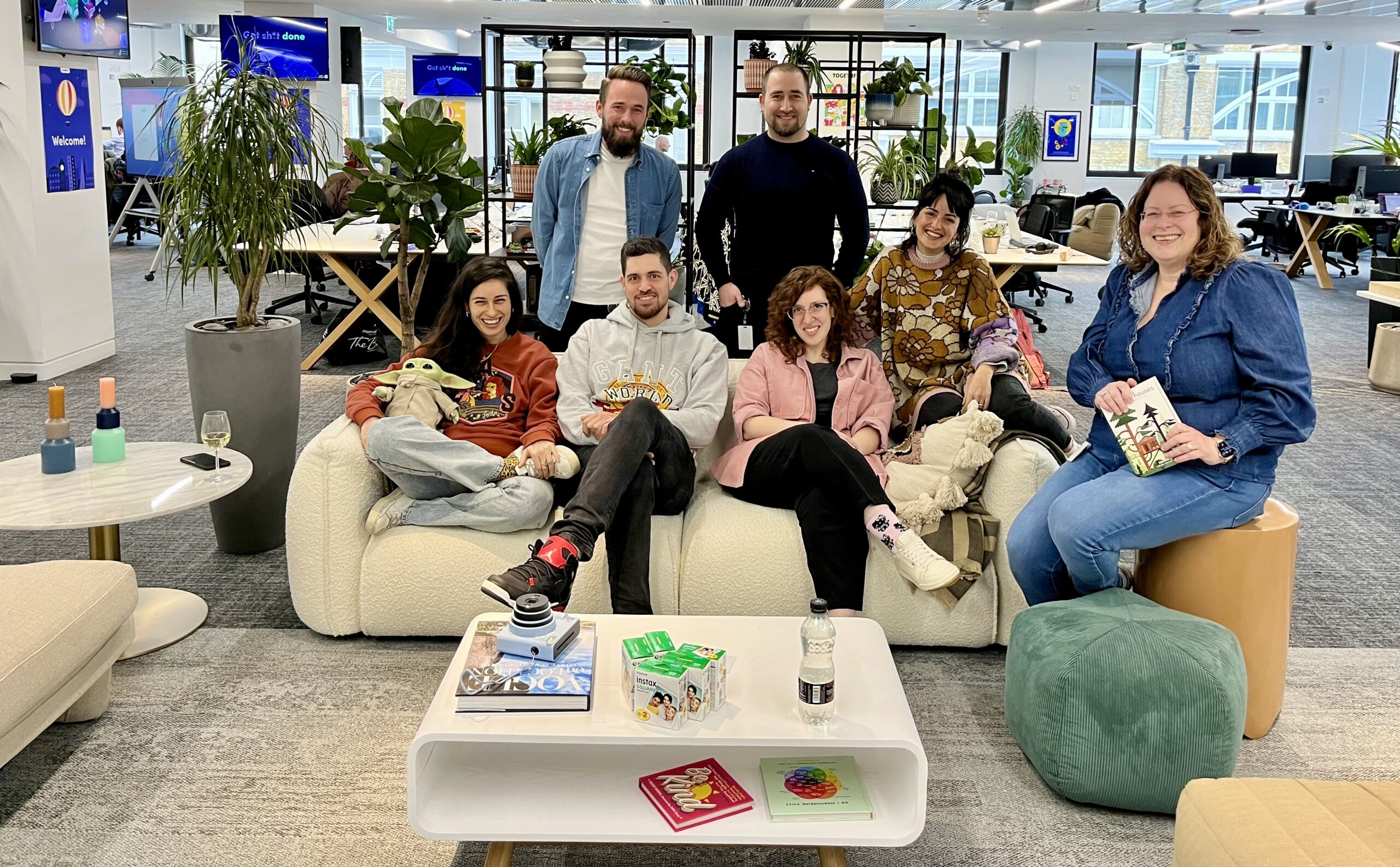
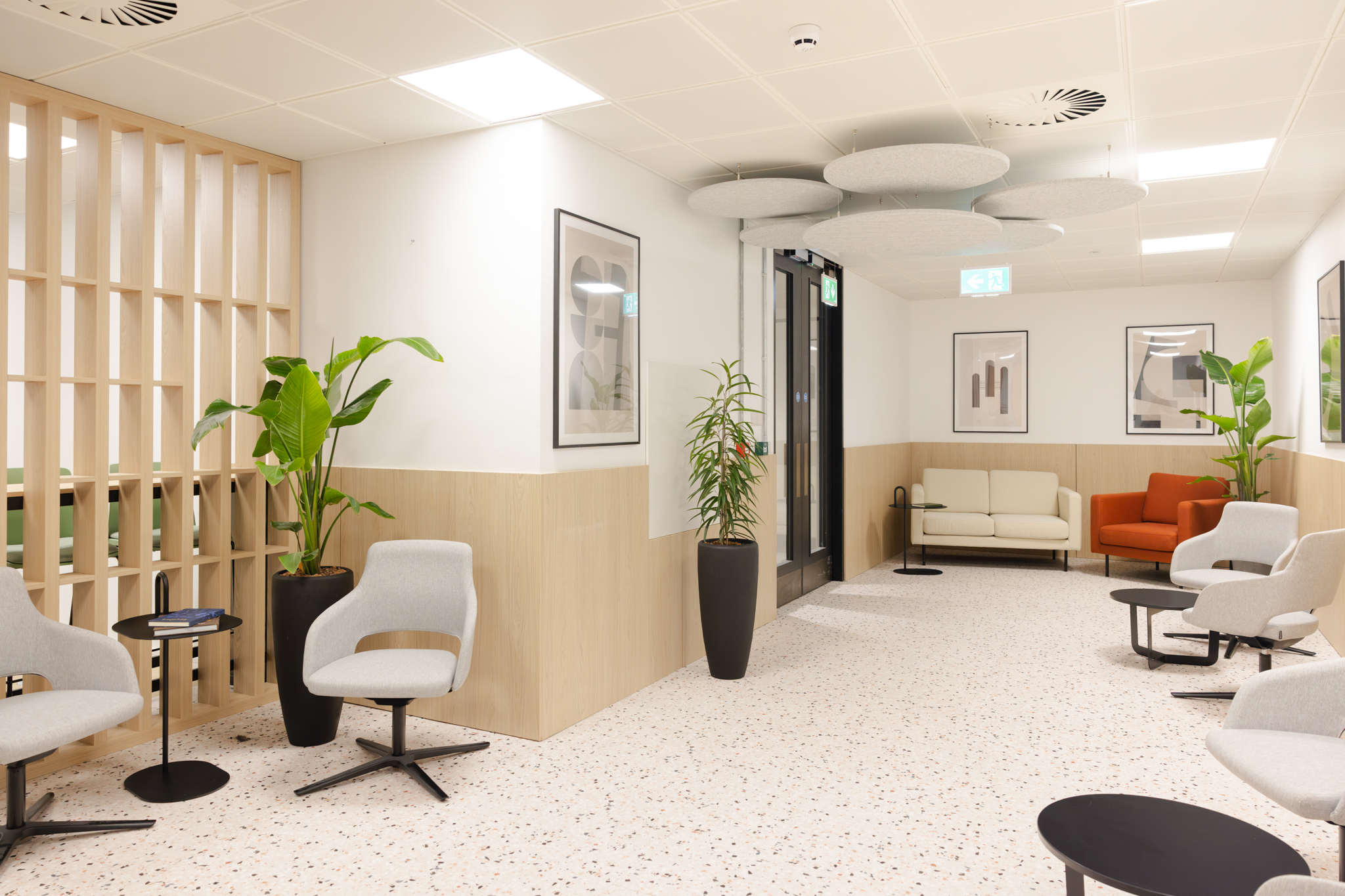
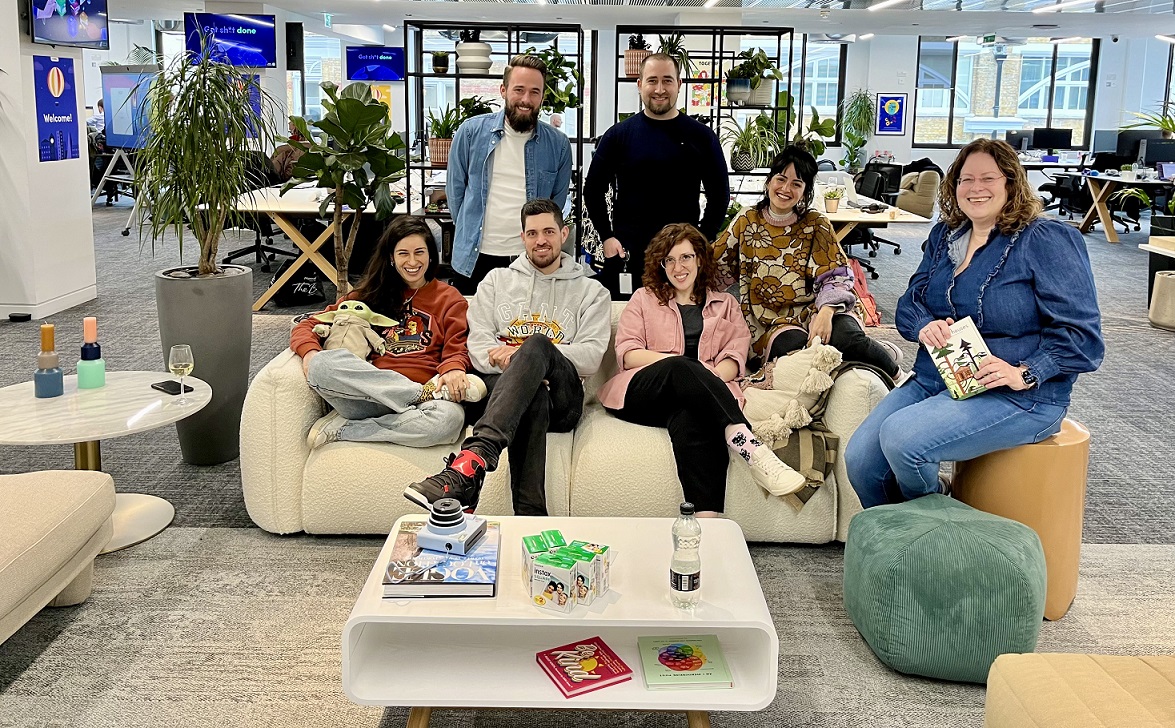
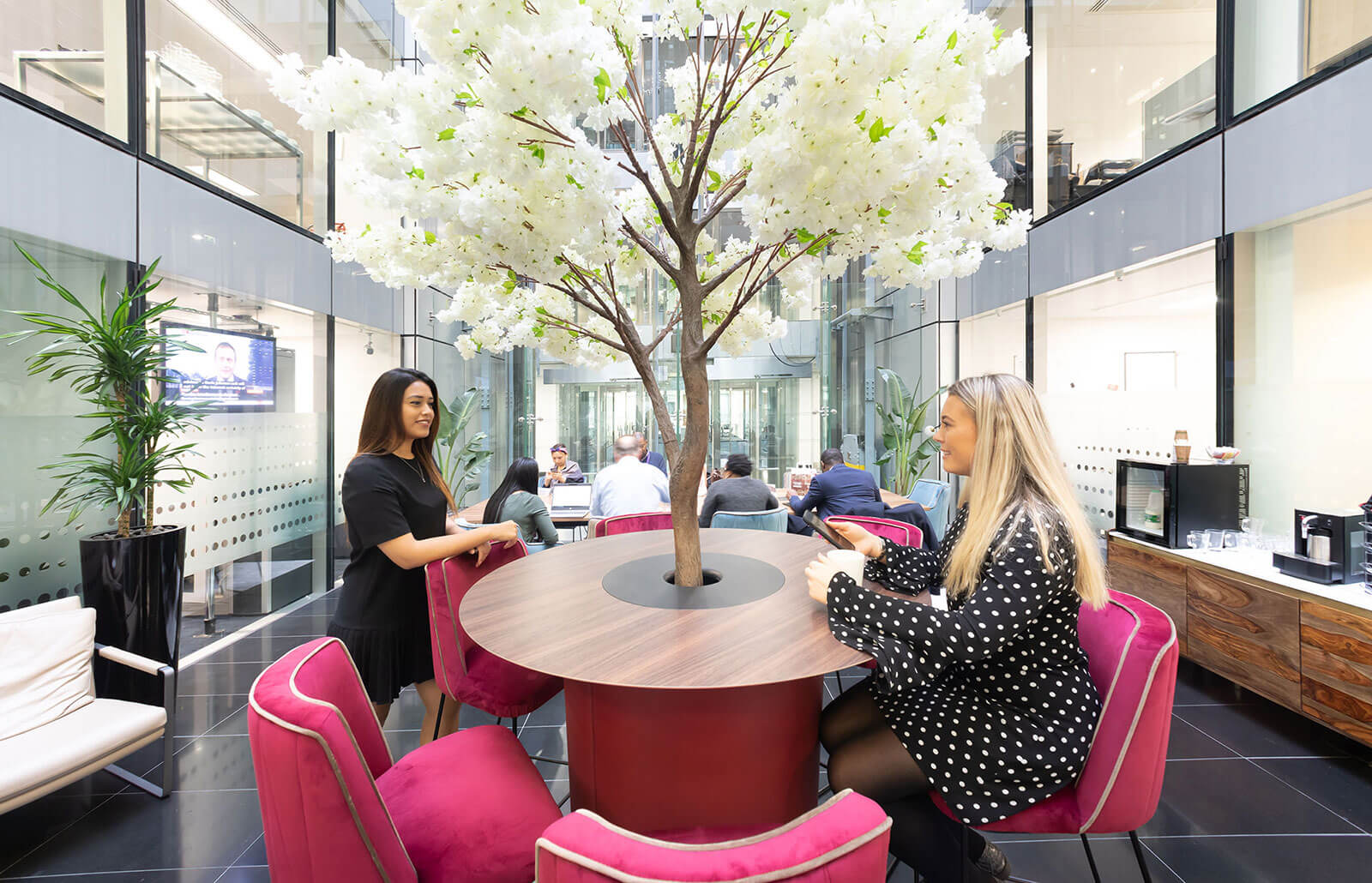
The capital has long been a global hub for business and innovation. Today, it’s at the forefront of rethinking how we use office space, with the rise of remote work, freelance culture and startups suggesting traditional leases no longer make sense for many. Our flexible workspaces offer everything from meeting rooms and collaborative hubs to quiet corners for deep work. Designed to scale with your needs, London office space supports dynamic teams and encourages collaboration.
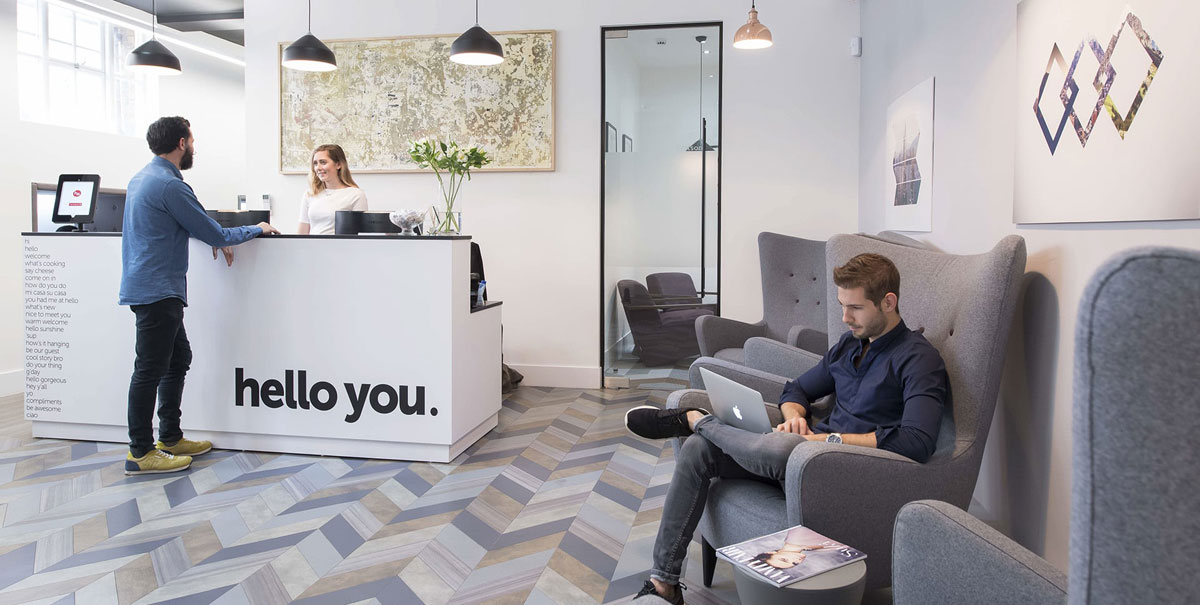
According to data from the Instant Group, flexible office space in the UK was 90% occupied in 2024, with users describing it as a “key strategic driver for business”. Companies already using it are clearly staying put and others are exploring hybrid solutions to offer more workplace choices to their employees. If Spielberg was just starting out today, he wouldn’t need to sneak past a guard. He’d walk into a serviced office space, rent a desk and get to work on his next masterpiece.
Spielberg’s legacy and the power of a good workspace
Despite the romanticised elements of Spielberg’s story, his rise to fame was built on persistence, creative risk taking and an understanding that space can shape success. Whether it’s Room 23C or a rented desk in Farringdon, the environment you choose or create can accelerate your ambitions.
His story also reminds us that no working environment has to be permanent to be powerful. Spielberg didn’t stay in his borrowed office forever. He used it as a stepping stone, a short-term solution that unlocked long-term success. That’s precisely the philosophy behind modern flexible offices: you don’t need to commit to a ten-year lease to do your best work. You just need the right space at the right time.
Flexible office space offers today’s entrepreneurs the same kind of opportunity Spielberg found in the 1960s, minus the need for elaborate cover stories. All you need is a place that gives you room to think, collaborate and grow.
© Fred Duval / Shutterstock.com