





Finding the right workspace is essential to the success and wellbeing of any business. The environment you operate from shapes productivity, professionalism, and company culture.
With the rise of hybrid working and shifting market demands, more organisations are turning to flexible workspace as a practical alternative to traditional commercial leases. But with so many options available, how can you determine which space will best support your business?
Here’s a clear guide to help you choose the right workspace, with a focus on the advantages of flexible workspace solutions.
1. Identify your operational requirements
Start by understanding what your business needs from a workspace. Think about:
- Team size and structure: Are you an individual consultant, a remote-first team, or a growing organisation?
- Work patterns: Do you need designated desks, multiple private offices, or occasional access to meeting rooms?
- Client-facing activities: Will you be hosting clients, deliveries or regular presentations?
- Future growth: Could your headcount or space requirements change within the next year?
Flexible workspace excels in its ability to adapt. Whether you need a single private office or an entire floor, these setups allow you to upgrade, downsize, or reconfigure quickly as your business evolves.
2. Look for flexibility in contract terms
One of the biggest advantages of flexible workspace is the freedom it offers compared to long-term commercial leases. Traditional offices often involve multi-year commitments, legal fees, fit-outs and significant upfront costs. Flexible workspace providers offer:
- Rolling monthly or short-term contracts
- Minimal deposits
- All-inclusive pricing
- Easy expansion as your team grows
This level of agility is ideal for start-ups, scale-ups, project teams, and businesses navigating uncertain markets. If flexibility and cost control are priorities, flexible workspace is a strong match.
3. Review the facilities and services provided
A high-quality flexible workspace provides everything you need to operate efficiently from day one. When evaluating options, consider:
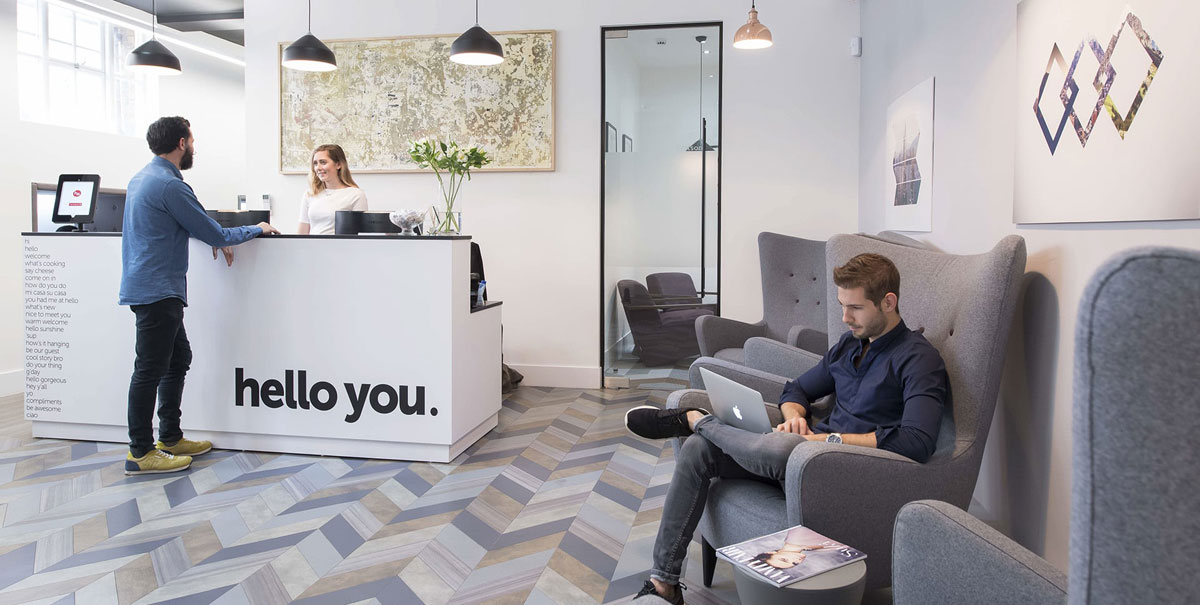
- Reception and front-of-house services: Professional staff to greet visitors and handle mail.
- Fully equipped meeting rooms: Available on-demand for client calls, training or interviews.
- High-speed, reliable internet: Essential for hybrid working and digital communication.
- Office furniture and ergonomic setups: No need for additional investment.
- Cleaning, maintenance and security: Typically included and managed onsite.
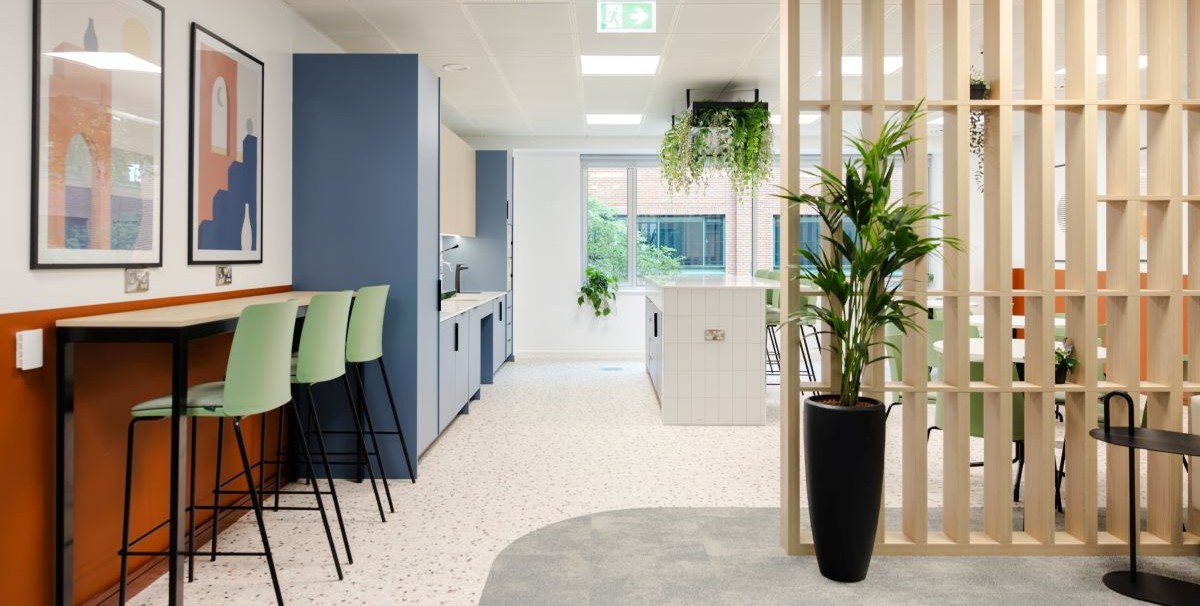
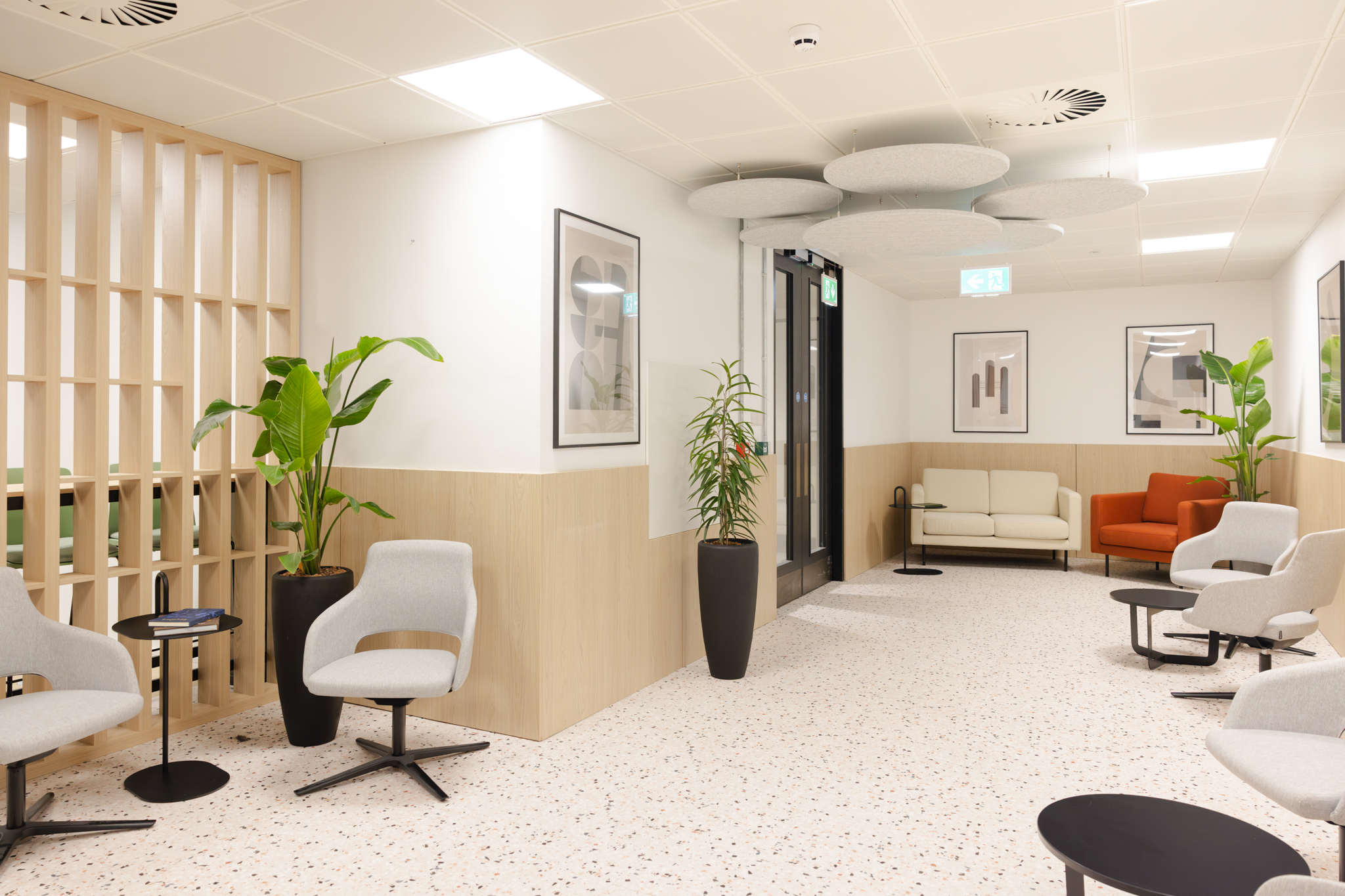
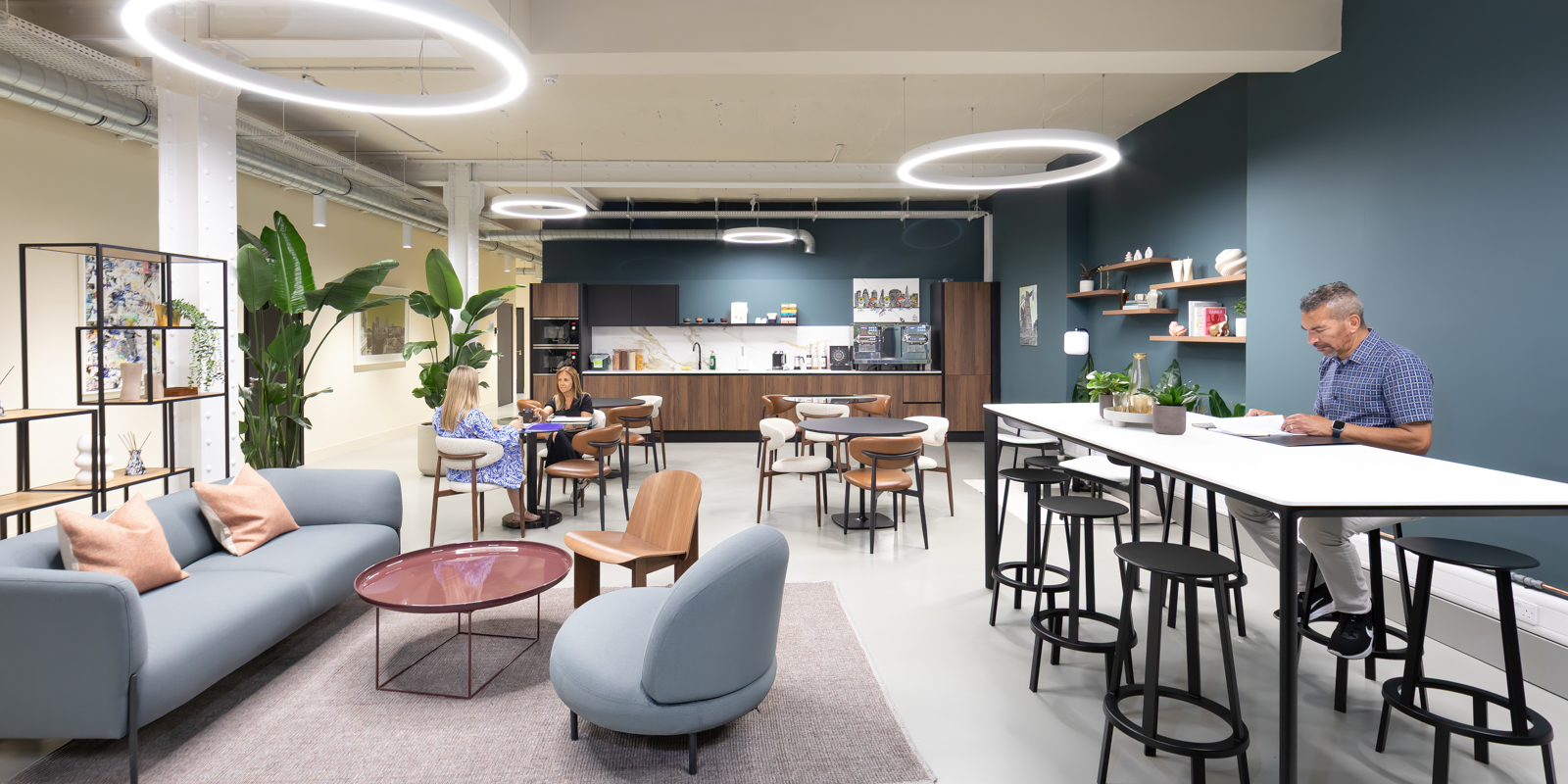
- Communal lounges and breakout areas: Encouraging informal collaboration and employee wellbeing.
The appeal of flexible workspace lies in its plug-and-play convenience — everything is ready for immediate use, saving your business time and operational overheads.
4. Consider the workspace environment and culture
Even in a private office setting, the wider environment of a flexible workspace matters. Many flexible workspace providers create professional yet vibrant atmospheres designed to support productivity. Think about:
- Noise levels
- Natural light and layout
- Professional image for guests
- Sense of community or networking opportunities
Some providers host client events, training sessions and socials, helping businesses connect and collaborate within the building.
5. Choose the right location for staff and clients
Location is one of the most influential factors in choosing a workspace. A well-connected, accessible address enhances your business image and improves day-to-day convenience for employees.
Look for:
- Nearby public transport links
- Parking availability
- Amenities such as cafés, gyms and shops
- A safe, reputable business district
Flexible workspace providers often occupy prime locations that would be costly to secure through a traditional lease, giving you the benefits of a prestigious address without the long-term commitment.
6. Analyse pricing and inclusions
Understanding the full cost structure is essential. With a traditional office, unexpected expenses such as utilities, cleaning, repairs and furniture can quickly add up. Flexible Workspace, however, offers transparent, all-inclusive pricing.
Before signing an agreement, check:
- What’s included in your monthly fee
- Whether meeting rooms are free or bookable at an extra charge
- Any limitations on usage (e.g., printing or storage)
- Terms for upgrading or reducing space
Predictable monthly billing makes financial planning far easier, particularly for growing businesses.
7. Experience the space first-hand
Before making a final decision, book a tour or request a trial day. Pay attention to:
- The professionalism of reception staff
- The comfort and layout of private offices
- The reliability of the Wi-Fi
- Available breakout areas and meeting spaces
- Overall atmosphere and first impressions
The right flexible workspace should support productivity, reflect your brand, and feel like a place your team can thrive.
Choosing the right workspace isn’t just about square footage — it’s about finding an environment that empowers your business to operate efficiently and grow confidently. Flexible workspace offers versatility, convenience and cost-effective solutions that traditional leases often lack. Whether you’re expanding, streamlining, or simply seeking a more agile approach, these modern workspace models can provide the ideal foundation for your next stage of growth.