


In a workplace which is constantly evolving, traditional offices and rigid meeting schedules no longer meet the needs of modern teams.
Flexible work environments are reshaping the way we meet — making collaboration faster, smarter, and more inclusive.
Flexible workspaces and agile meetings
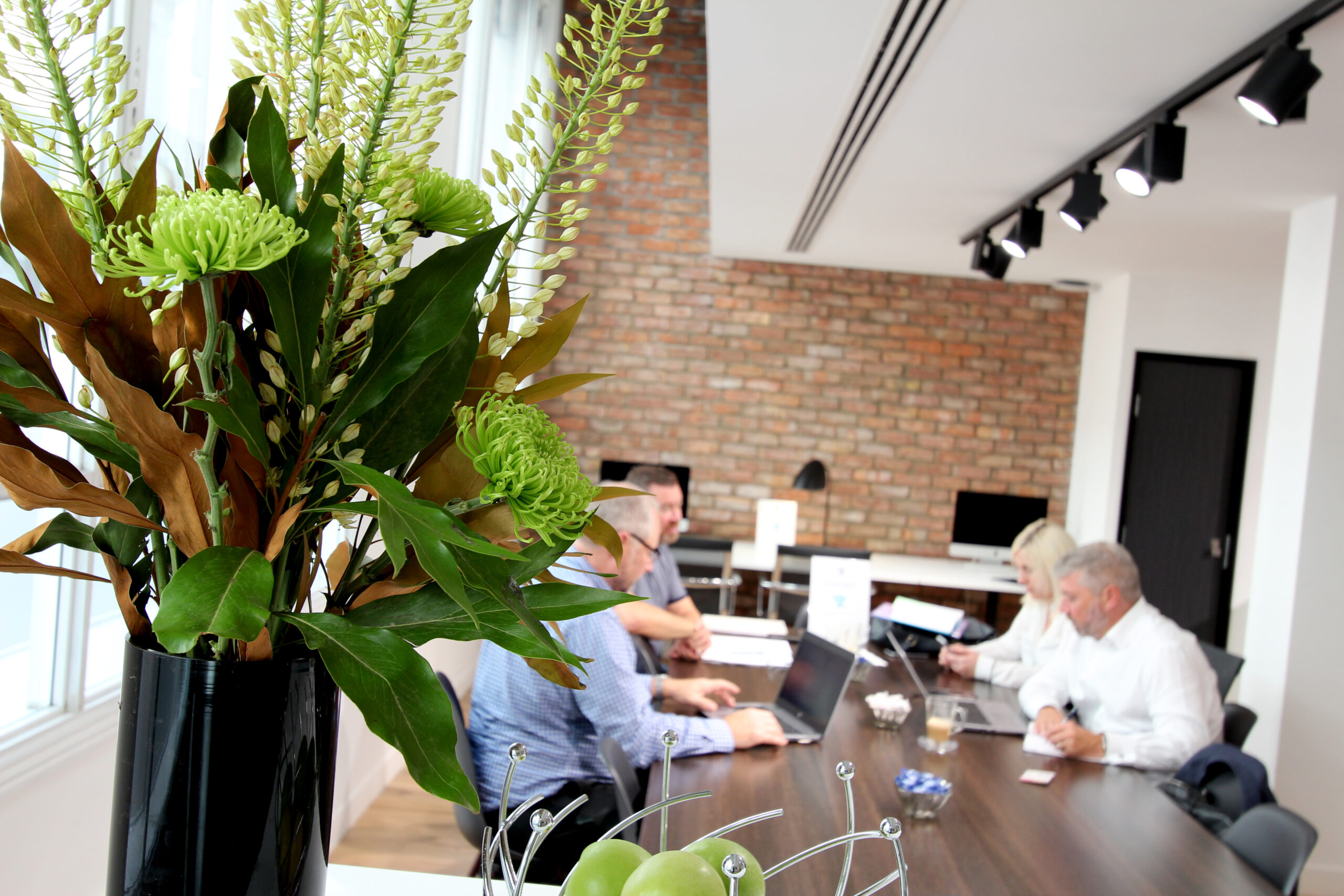
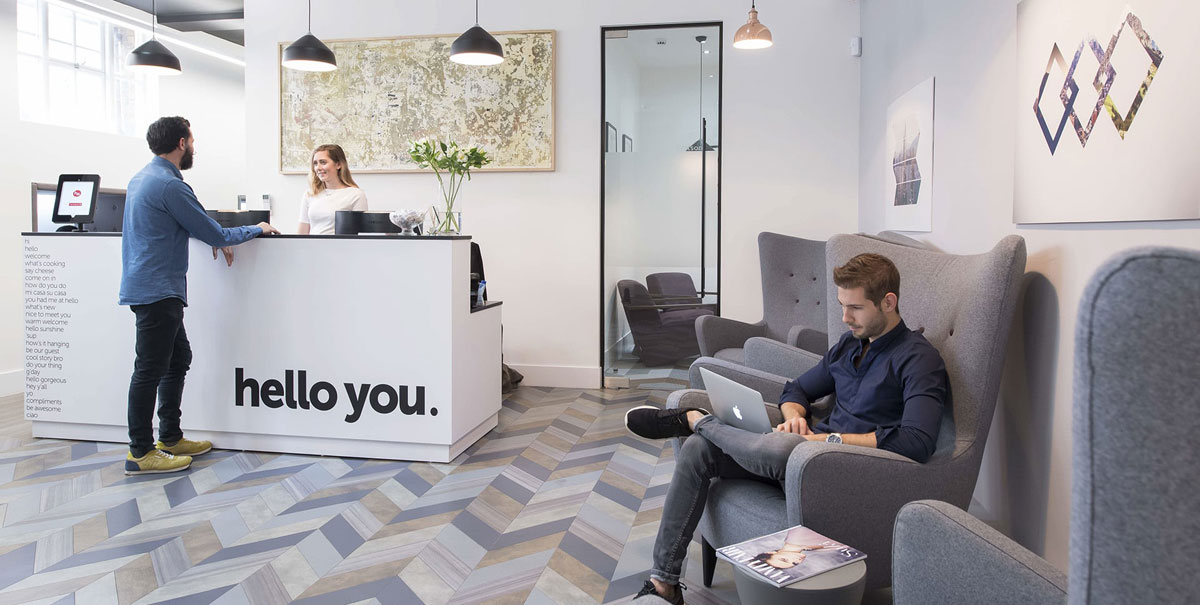
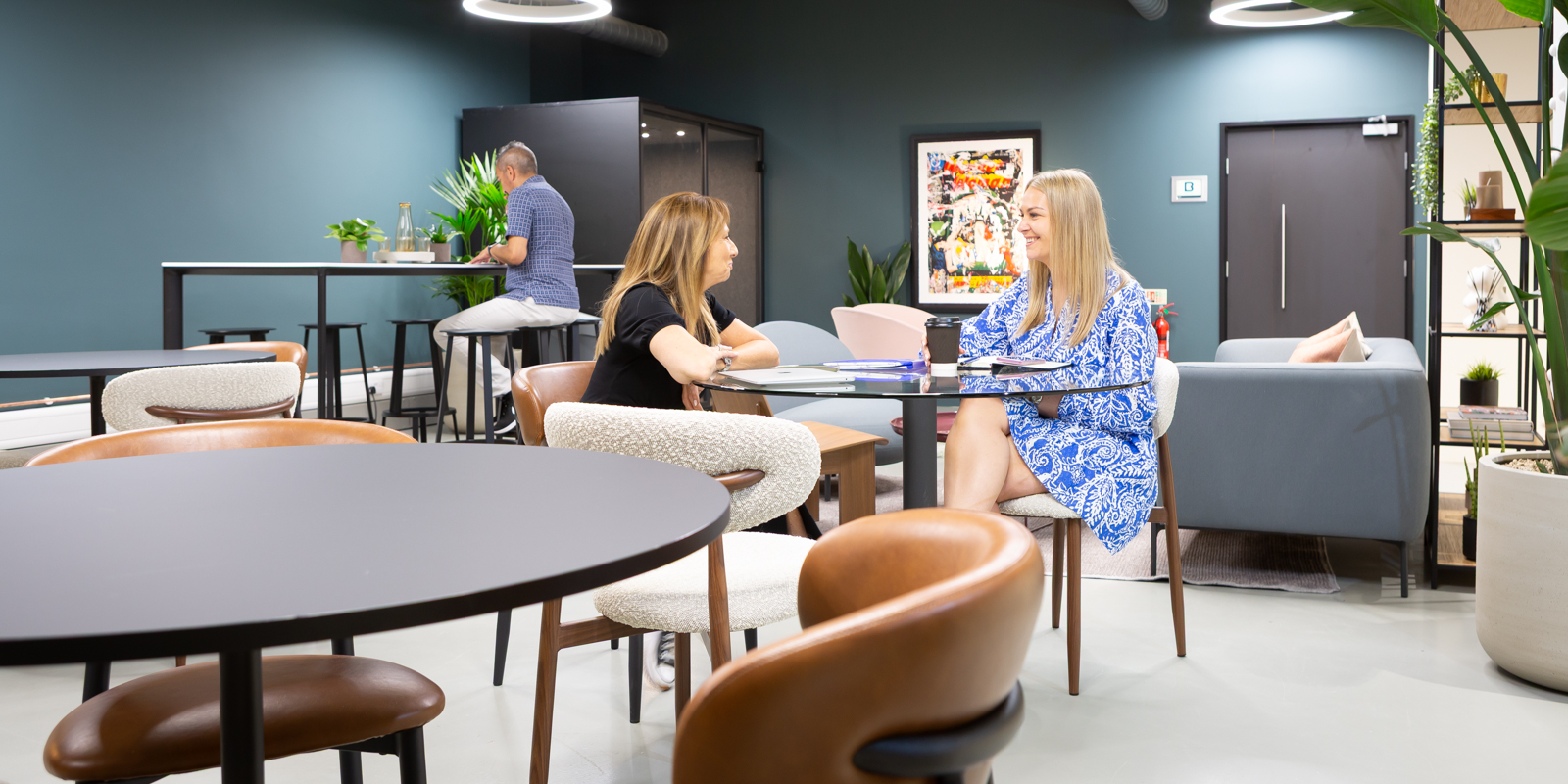
Managed workspaces allow businesses to book meeting rooms on demand. Teams no longer need to reserve a single boardroom weeks in advance. This flexibility encourages spontaneous collaboration and agile decision-making.
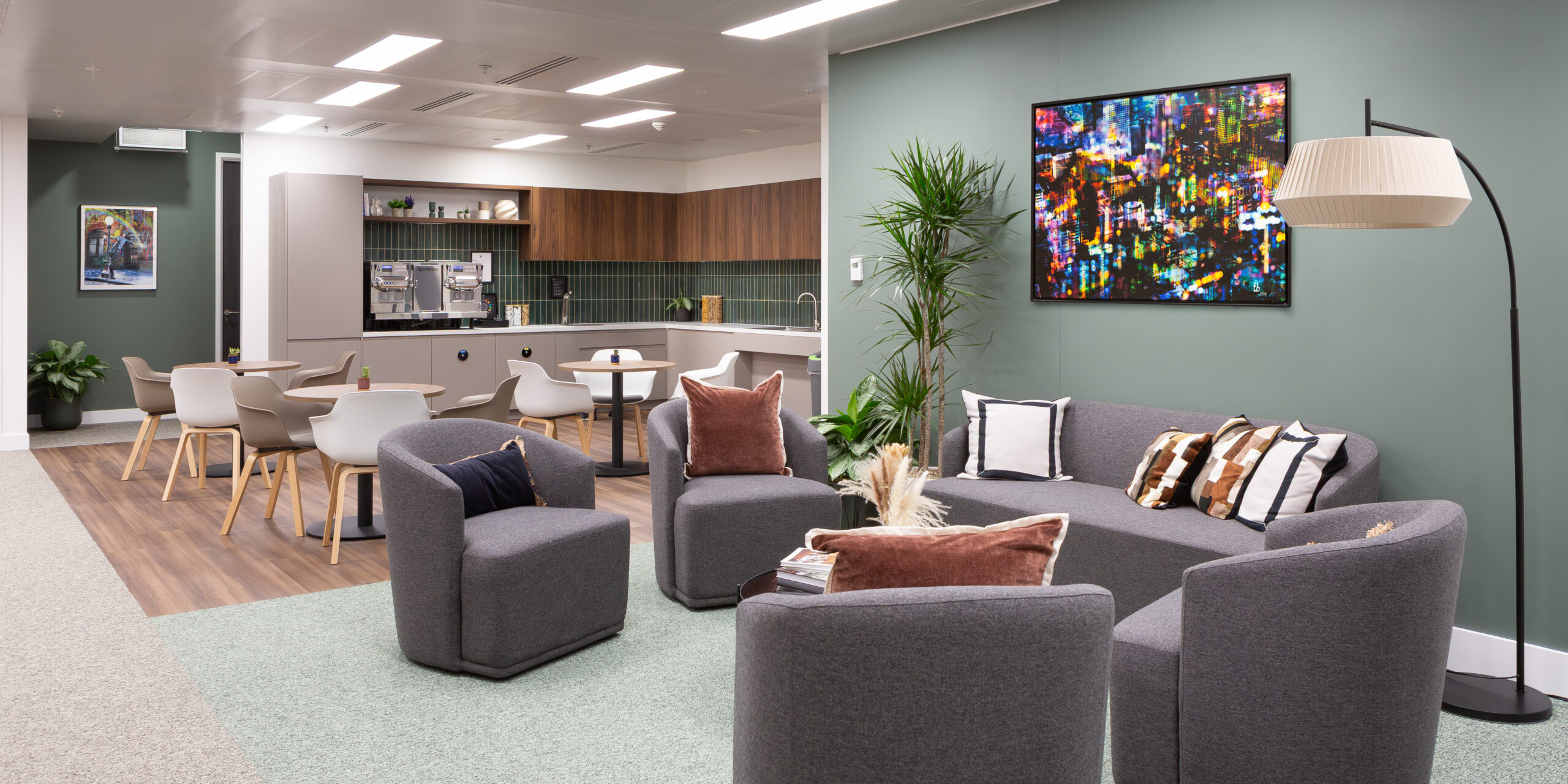
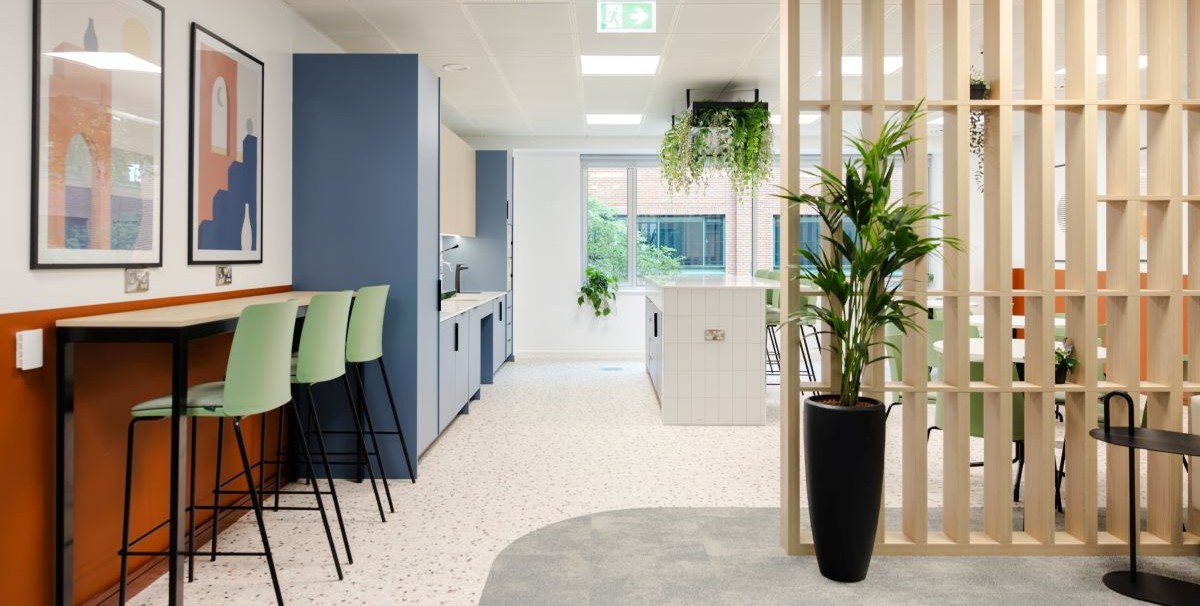
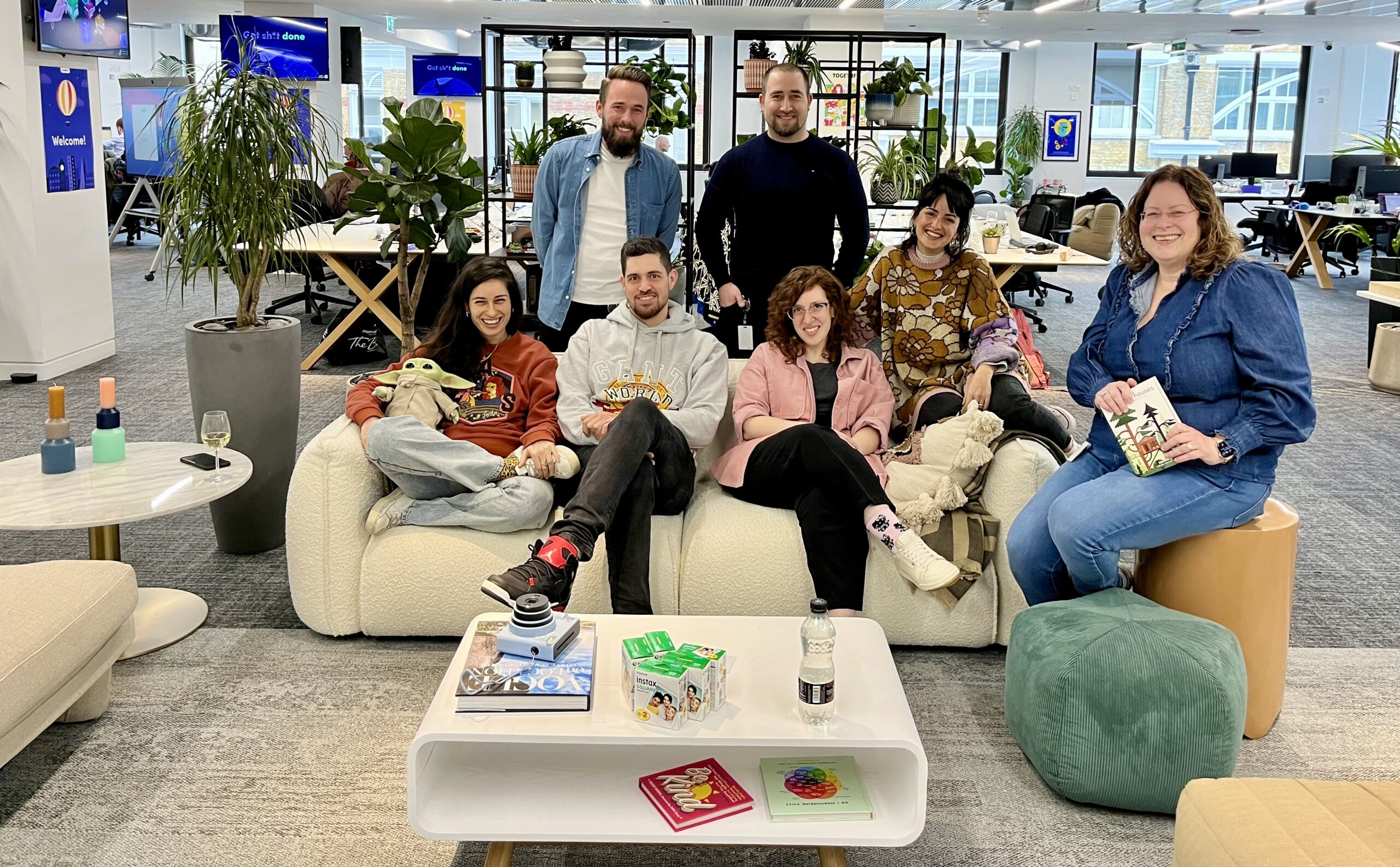
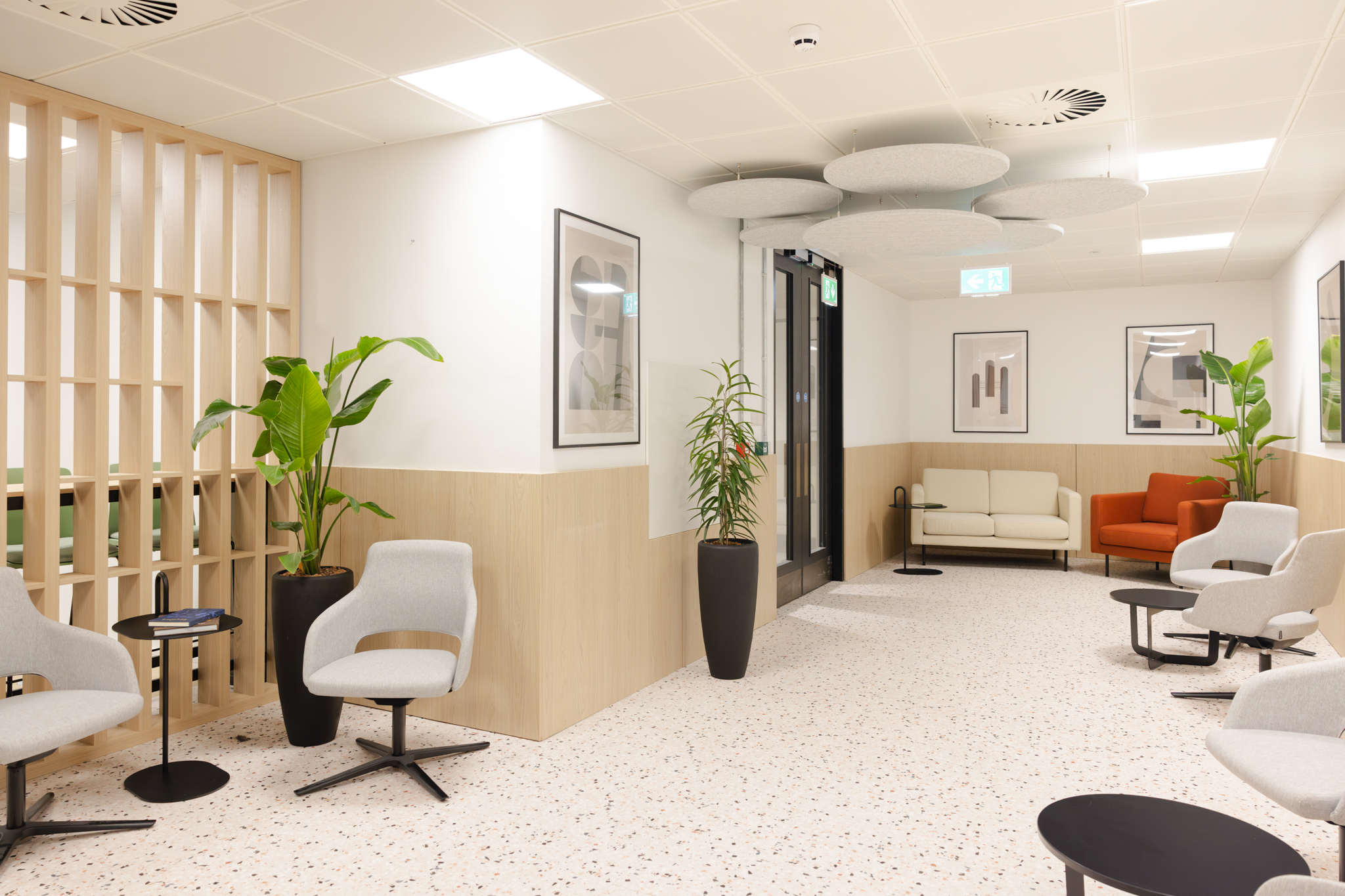
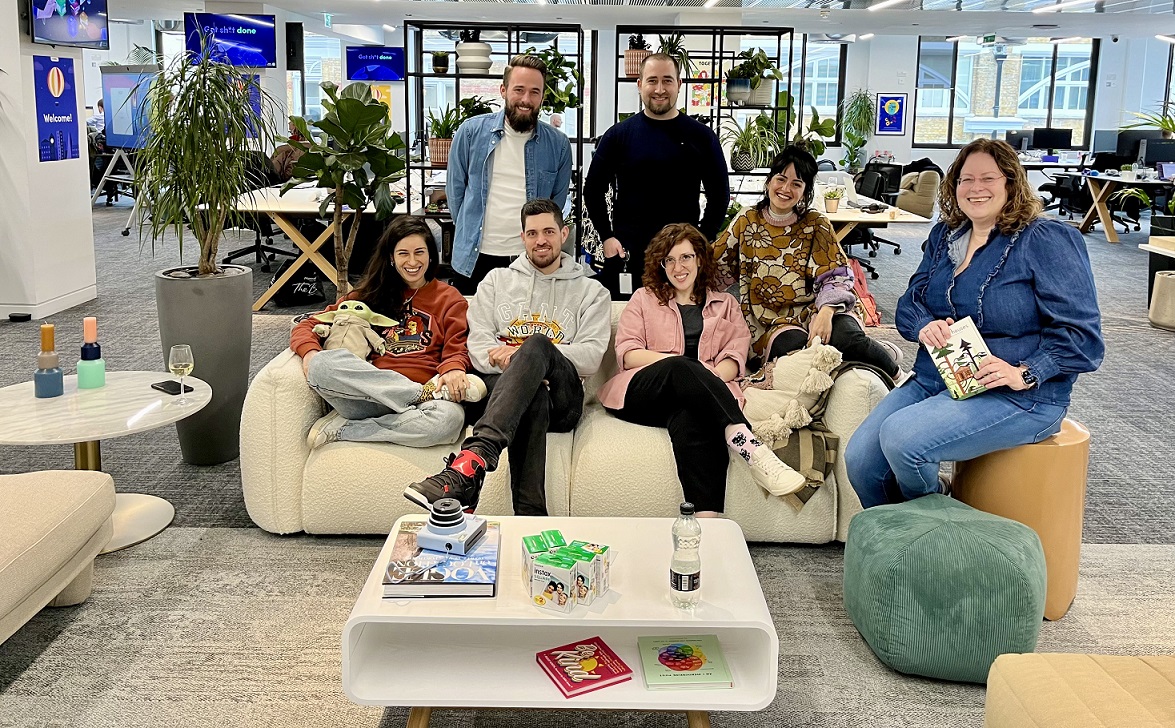
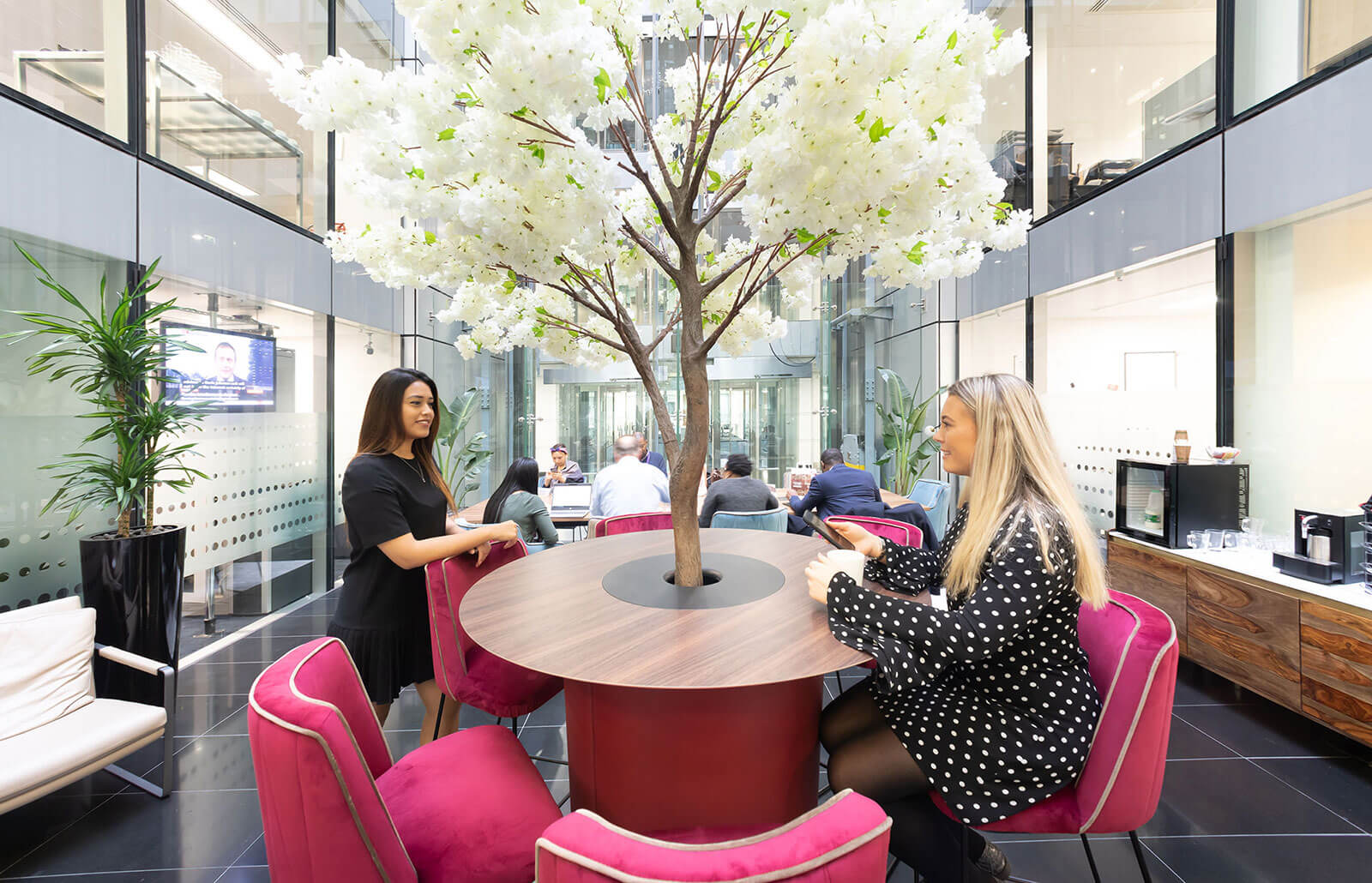
Breakout areas, huddle rooms, and casual lounges complement formal spaces, supporting diverse meeting formats tailored to the purpose.
Hybrid collaboration
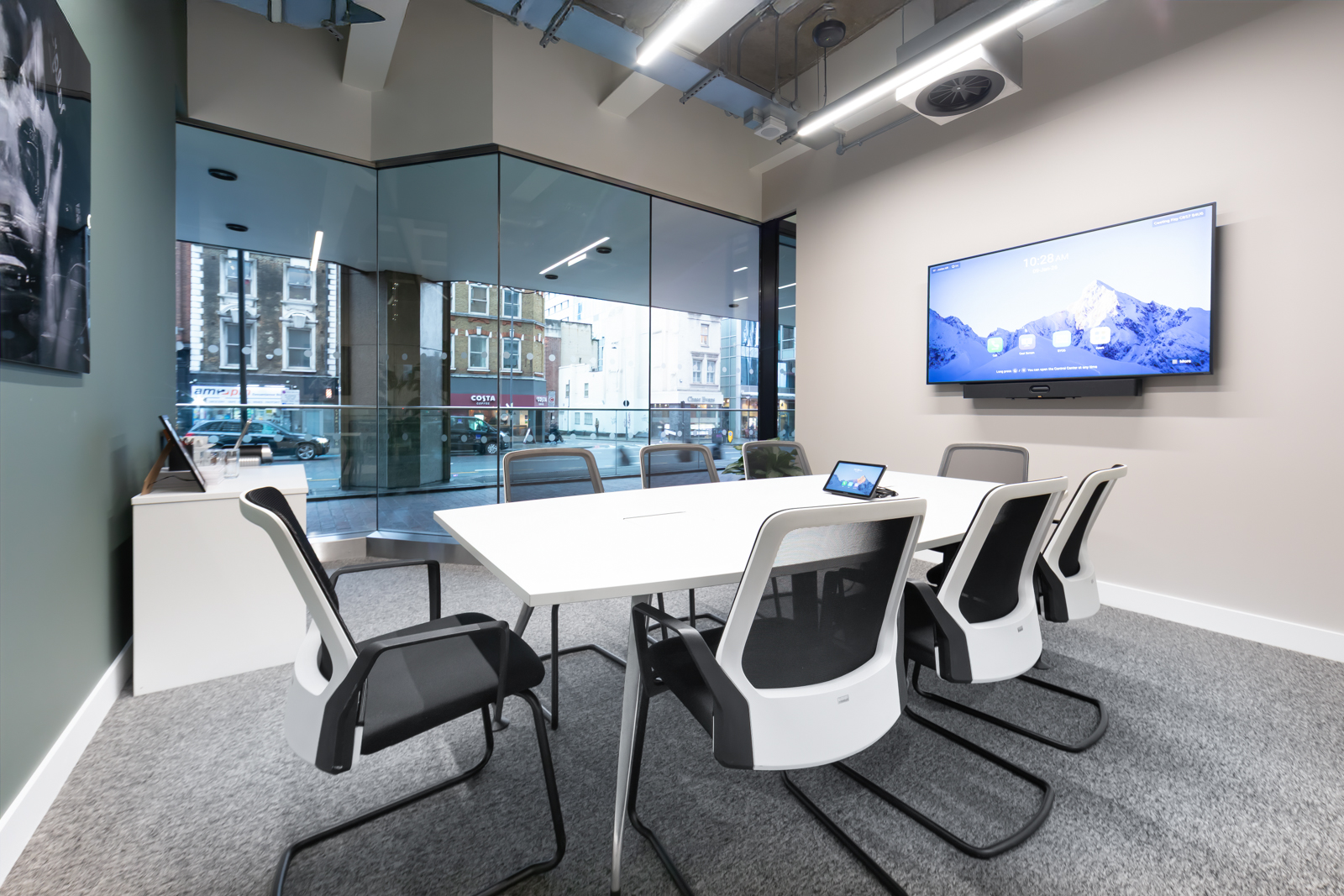
Hybrid work has become standard. Flexible environments provide seamless integration of in-person and remote attendees through high-quality video conferencing, wireless connectivity, and digital collaboration tools.
By designing spaces to include both remote and on-site participants equally, companies prevent hybrid meetings from becoming one-sided.
Technology that enhances productivity
Flexible offices integrate intuitive technology into meeting rooms. Wireless screens, interactive whiteboards, and instant video conferencing reduce setup time and distractions, letting teams focus on results rather than logistics.
Dynamic layouts for diverse needs
Different meetings require different spaces. Strategy sessions, brainstorming, quick updates, and client presentations all benefit from layouts designed specifically for their purpose. Managed offices allow layouts to be adapted quickly to suit team size and objectives.
Employee wellbeing and engagement
Flexible workspaces recognise that physical comfort impacts cognitive performance. Ergonomic seating, natural light, and quiet zones increase engagement and reduce stress during meetings.
Cost-effective solutions
Outsourcing meeting space to managed workspaces reduces overheads, avoids long-term leases, and provides access to high-quality, fully equipped rooms on demand.
The future is intentional
The workplaces of tomorrow focus on intentional meetings — purposeful, efficient, and outcome-driven. Flexible offices provide the infrastructure to achieve this, ensuring meetings become productive touchpoints rather than time drains.