




It might be nearly 40 years old, but cult film Back to the Future still showcases some valuable messages about embracing change and innovation in the workplace.
The classic 1985 sci-fi film about time travel follows modern teenager Marty McFly, played by Michael J Fox, who’s transported back to 1955 by a souped-up DeLorean car.
He meets his future mother Lorraine and father George, a then shy and awkward youth who’s bullied at school, and has to find a way of getting them together to ensure his own continued existence. The main object in his way is high school bully Biff, so Marty enlists the help of Emmett “Doc” Brown, a modern-day inventor of the time travelling DeLorean, to try and put right the glitch in history.
The duo face a race against time, not only to stage the first all-important kiss between Lorraine and George, but also to send Marty “back to the future” in the time machine before he becomes trapped in 1955 forever.
The classic American film’s futuristic journey provides an insight into how businesses can prepare for their own “future” work environments. Embracing technical advancements, flexible work models and innovative approaches are all important factors to help your business stay competitive and adaptable within the modern workplace.
Adapting new technologies
The importance of adapting new tools and technologies, such as AI in business, can help to streamline processes and keep productivity high. Being resistant to change and failing to keep up to speed with modern industry trends can leave your company at a disadvantage through being trapped in the past. We have to utilise creativity to accomplish our goals, just as Doc and Marty had to think outside the box to achieve their mission.
From Marty’s point of view, he needed to convince George to ask Lorraine out on a date to the school dance. Due to his lack of confidence, George was reluctant to take a leap of faith, fearing rejection, so Marty used modern means to persuade his future dad to speak to Lorraine. Drawing on his knowledge of modern sci-fi hits, such as Star Trek and Star Wars, Marty posed as “Darth Vader from the planet Vulcan” to persuade George he had been visited by an alien who wanted him to ask Lorraine out! The ploy worked and set the ball rolling to cement their relationship and ensure Marty and his siblings’ continued existence in the future.
Doc also uses modern technology to their advantage, creating a large electric shock from a bolt of lightning to power the DeLorean’s reactor, enabling it to shoot through time back to 1985. Both these solutions to challenges are creative and forward thinking, solving problems that seemed insurmountable.
Flexible work models
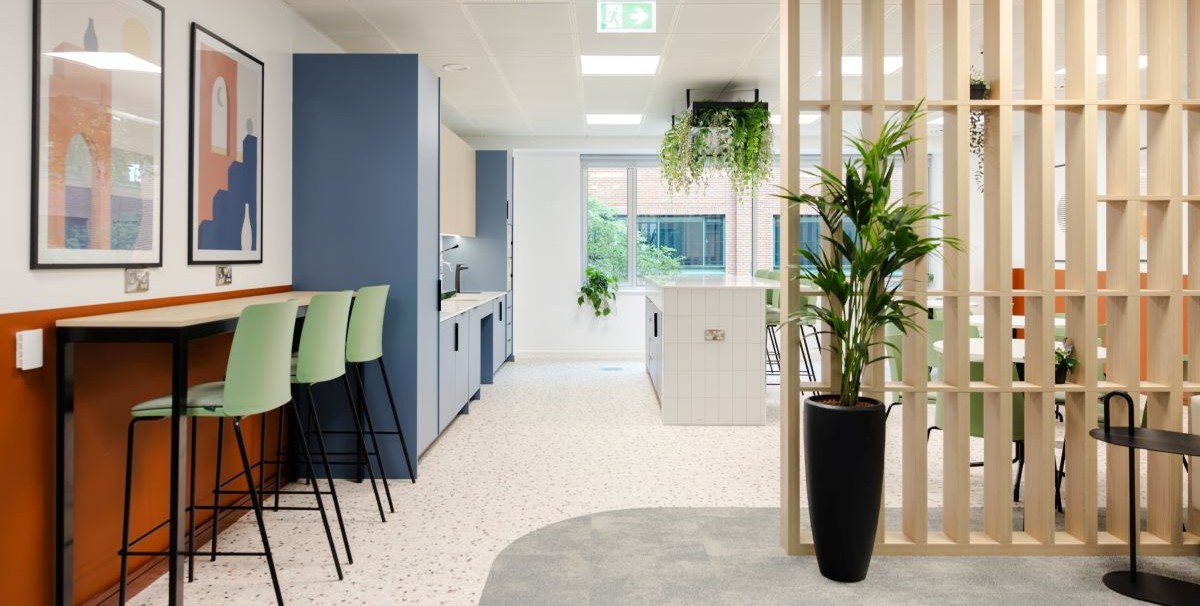
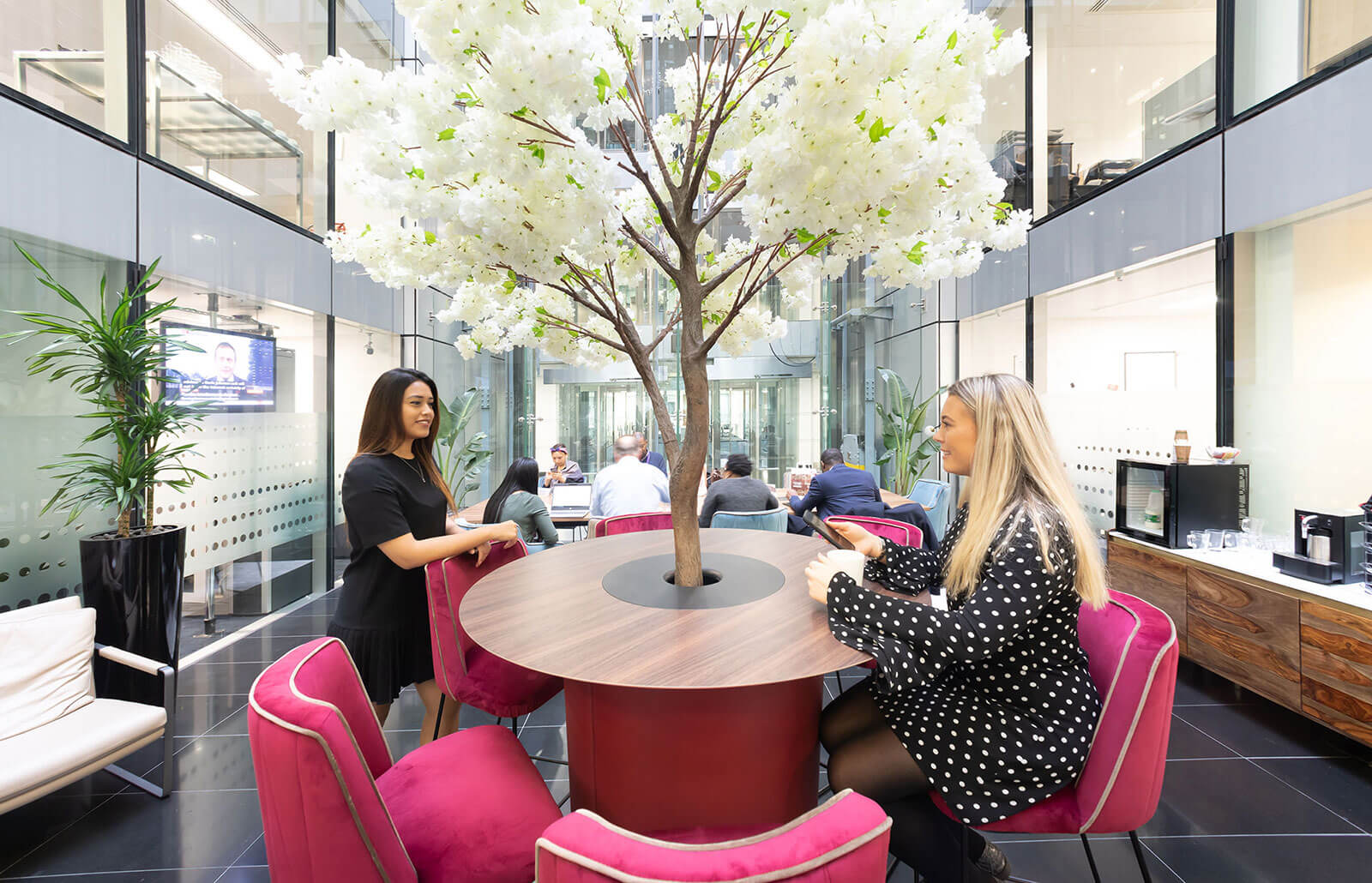
Adopting flexible work models, such as creating a bespoke workplace where employees can thrive, have multiple benefits for your business.
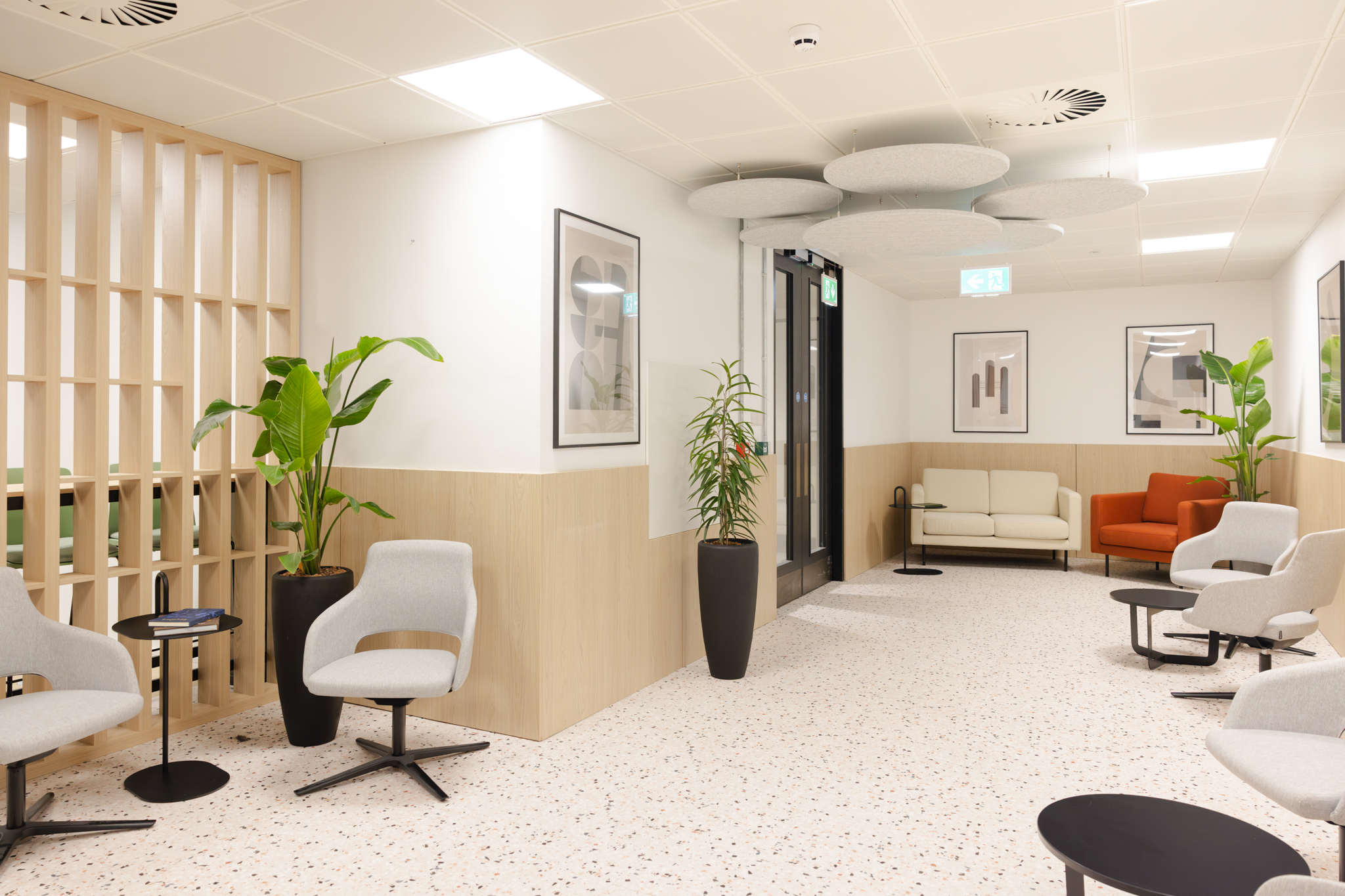
Rather than the rigidity of the 9-5 routine in a corporate environment, employees can choose a workspace that’s appropriate for the task in hand, such as a collaborative area for brainstorming, or a quiet corner for focusing on a complex task.
Research shows 76% of managers feel flexible workspaces increase productivity. Currently, 54% of the UK’s working population have a flexible or part-time job, with employers starting to believe this is the way forward in future.
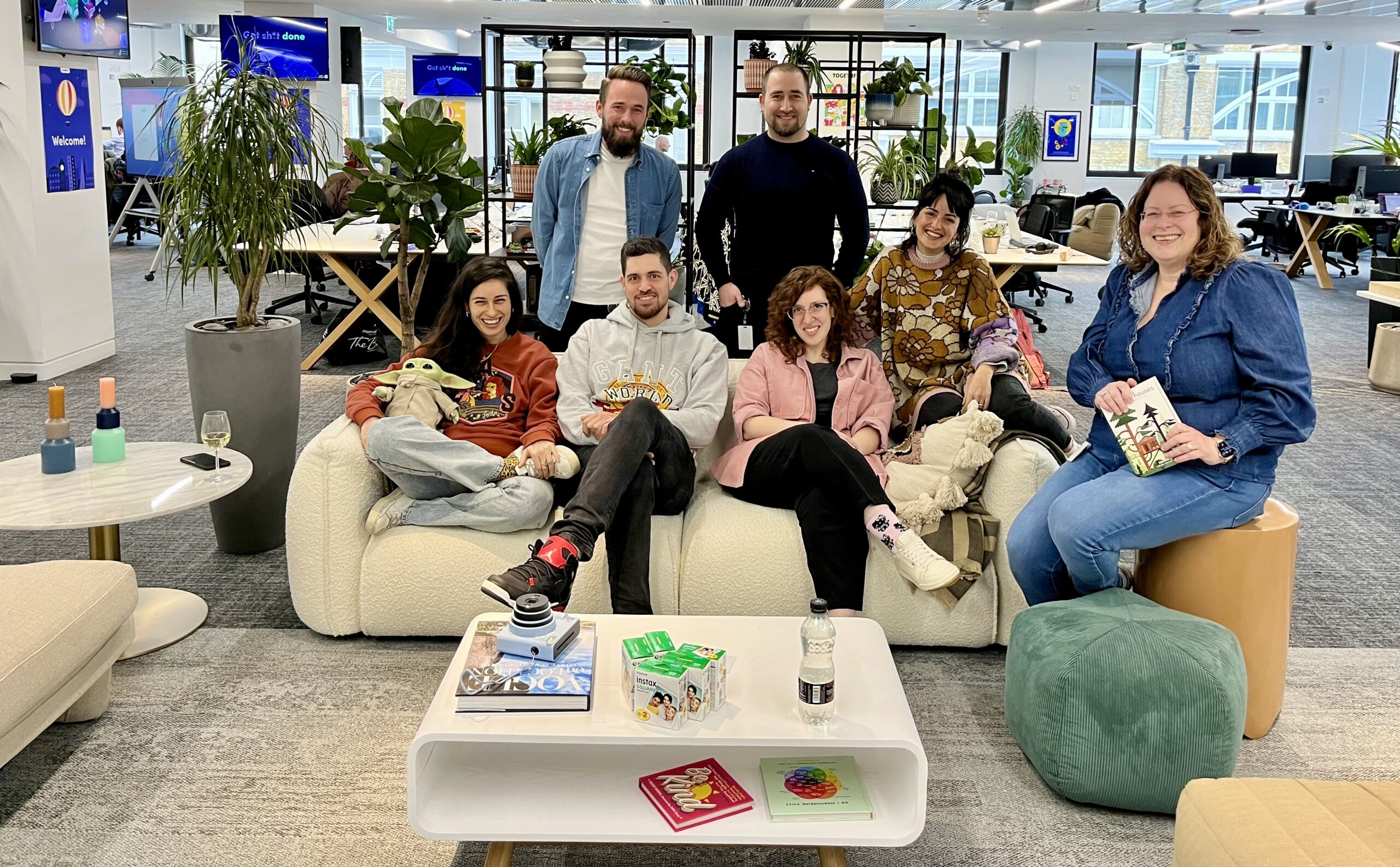
Networking also becomes easier, as employees can meet other like-minded professionals to share ideas and collaborate. This generally leads to greater employee satisfaction and productivity, as they can work where and how they want.
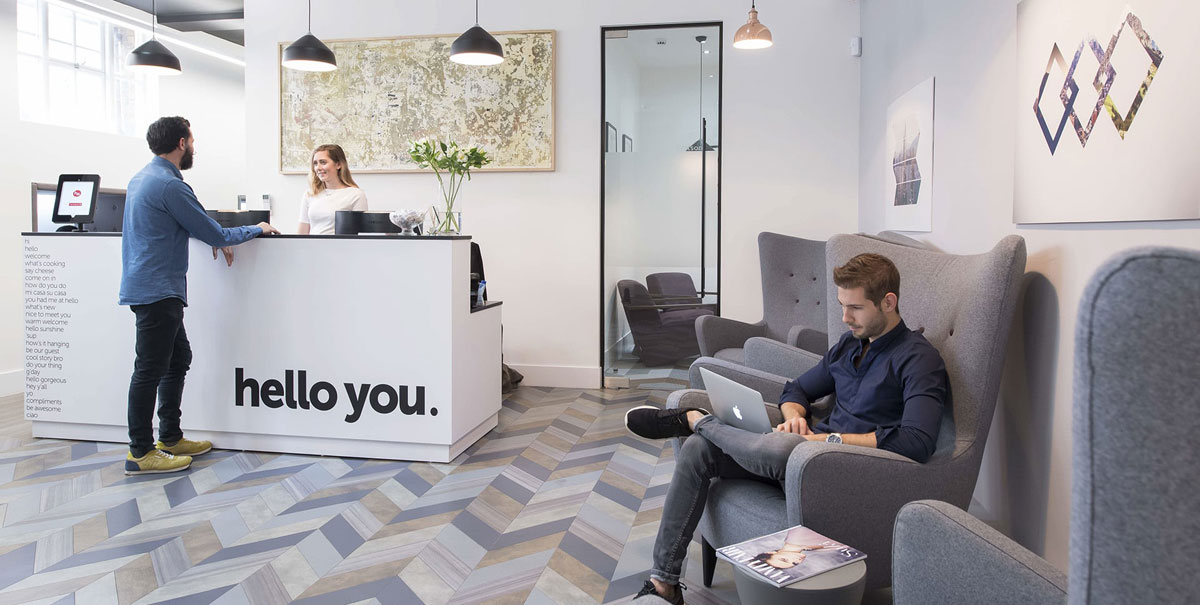
Enjoying a better work-life balance, where people can choose their own schedules, is crucial for our mental and physical health. Research in 2024 shows 77% of workers have experienced burnout at some point, with 40% saying poor work-life balance has “ruined” the time they spend with loved ones. A flexible environment, such as BE Offices’ serviced offices London-wide, can help employees to choose a schedule that suits both them and their employer.
The other great advantage of a serviced office is enabling your business to adapt faster to market changes, while also working in a more cost-effective way. Rent space when needed, rather than signing a long contract for a fixed office and furniture all year round.
Overcoming challenges
Working for more than 50 hours a week is linked to an increased risk of depression and anxiety, so it’s vital for both individuals and the company that you get it right.
Stress can lead to a lack of creativity and an inability to complete work tasks effectively. Studies have shown 44% of employees in creative jobs find work-related stress makes them less likely to perform successfully. This was the case in Back to the Future, when Marty was struggling to work out how he could return to 1985. The more stressed he became, the less likely it was that he would find a solution.
The chances are we’re all going to end up in a situation at work where a problem seems insurmountable. Never give up, and instead, do something to stimulate your creativity such as going for a walk, grabbing a coffee, or trying a brainstorming session with co-workers to dream up some new ways of solving a problem.
By collaborating with Doc, Marty finds the solution to returning to the future. Not only does Doc manage to power up the DeLorean again using natural resources rather than plutonium, but Marty also devises a plan of his own to prevent his friend from being chased by terrorists in 1985.
https://www.youtube.com/watch?v=HdENCZRcYJo&pp=ygUXYmFjayB0byB0aGUgZnV0dXJlIDE5ODU%3D
Channelling your creativity and that of your community can help you to come up with a solution that’s out of the ordinary.
When Doc realises the “flux capacitor” of his time machine is a success, as it’s brought Marty back to 1955, it’s the culmination of many years’ work. His reaction is to say excitedly, “I finally invent something that works!”
The point is that even though everything you do may not be successful, don’t let it dampen your enthusiasm, because this might mean you’re missing out on some great ideas which WILL work.
Upskilling programmes
Upskilling employees benefits both the workforce and the organisation by teaching individuals new skills, so they can grow and advance in their career. It helps them to feel more invested in the company, which improves motivation and job satisfaction. This can also help companies to retain employees, with studies suggesting an organisation with more employee driven initiatives can retain them on average for 5.4 years, reducing turnover.
Employees can develop a diverse skillset, leading to greater job satisfaction – and a happy employee is more likely to create happy and loyal customers. In-house training courses, apprenticeships and leadership development training are some of the ways you can upskill the workforce.
Collaborative platforms are also a useful means of improving communication and productivity. When people work together, in an environment where they can communicate freely, there are fewer misunderstandings. Improving internal collaboration through social tools can increase productivity on average by between 20% and 25%, according to a McKinsey report.
Adopting a growth mindset, being aware of industry trends and having an openness to change can all help with business growth.
© Ralf Liebhold / Shutterstock.com