




The conversation around mental health in the workplace has grown rapidly in recent years – and with good reason. Currently, anxiety and stress account for almost half of all lost working days in the UK.
A massive 80% of employers have increased mental health spending in 2025, according to research by Koa Health. Businesses increasingly recognise that happy, stress-free employees are healthier and have greater focus, creativity and engagement – all key factors in job satisfaction and productivity.
Understanding how to decrease employee turnover is half the battle. When employers truly care about their team’s wellbeing, they are proactive in reducing the absenteeism caused by anxiety and stress at work.
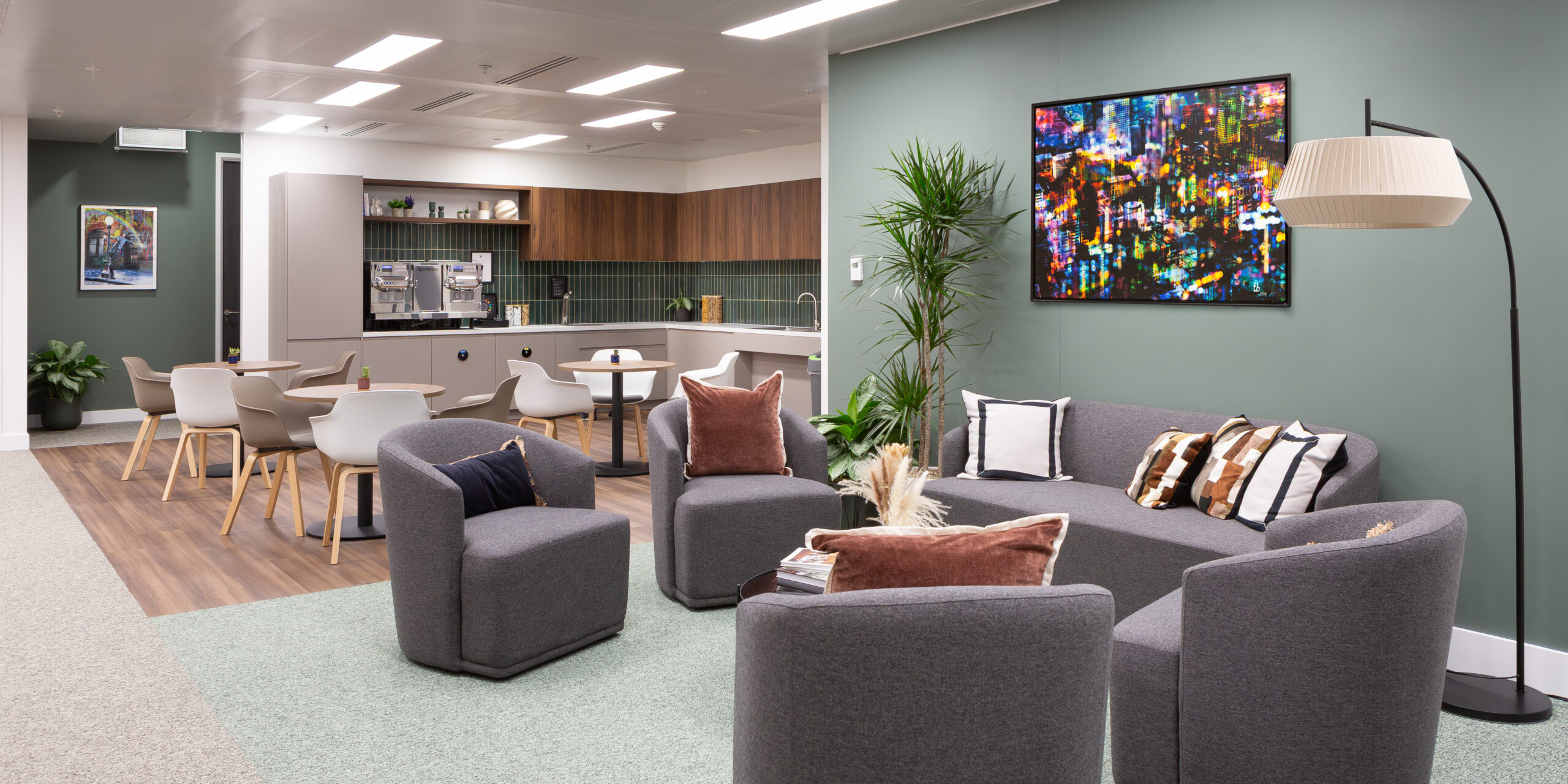
Creating an environment and culture that helps people to thrive through specific design elements plays a big part in supporting mental health in the workplace. Ultimately, this impacts individual wellbeing, job satisfaction and the company as a whole.
The impact of lighting and colours
Lighting is one of the most underestimated elements of workspace design, yet it plays a huge role in how we feel. Natural light is proven to improve concentration, elevate mood and even regulate sleep patterns through the body’s production of the neurochemicals serotonin and melatonin. Studies show that workers in naturally lit environments report a 40% boost in productivity and fewer symptoms of eye strain and fatigue compared with those under artificial light. Incorporating daylight wherever possible should be a key design priority. For offices where natural light is limited, full-spectrum LED lighting that mimics daylight can make a big difference.
Colours, too, affect mood in subtle but powerful ways. Blue and green tones tend to calm and focus the mind, making them ideal for collaborative and creative zones. Warmer tones like soft yellows can energise, but overly bright or stark hues can heighten stress and irritability. By curating colours thoughtfully, you can create a workspace that feels balanced and welcoming, helping to improve mental health in the workplace from the moment employees walk in.
How space and layout shape wellbeing
The physical flow and structure of an office have a direct effect on both efficiency and wellbeing. A cluttered or poorly arranged workspace can lead to frustration, distraction and increased stress levels. On the other hand, a space that supports how teams work promotes smoother collaboration and a sense of calm.
Open-plan offices have been popular for years, but many employees now prefer a hybrid layout, combining spaces that balance quiet zones for focused work with areas designed for teamwork. Providing breakout areas and flexible meeting spaces allows people to choose how and where they work best.
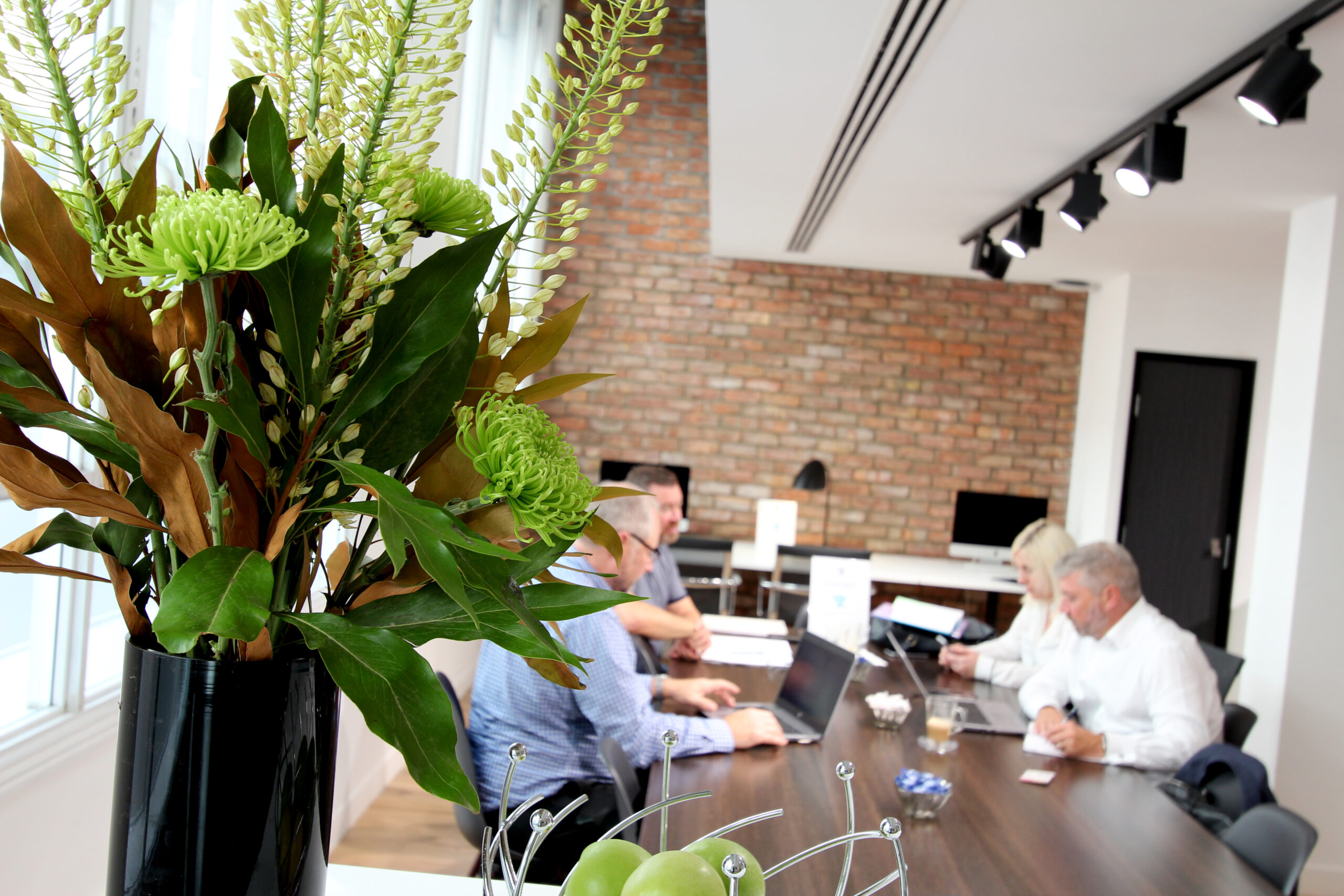
Just as a factory floor must be optimised for production flow, an office should be arranged for cognitive and creative flow. Businesses that take time to analyse how their teams use space, through workspace consultations or efficiency analysis, can uncover opportunities to improve both productivity and morale.
The role of facilities in workplace happiness
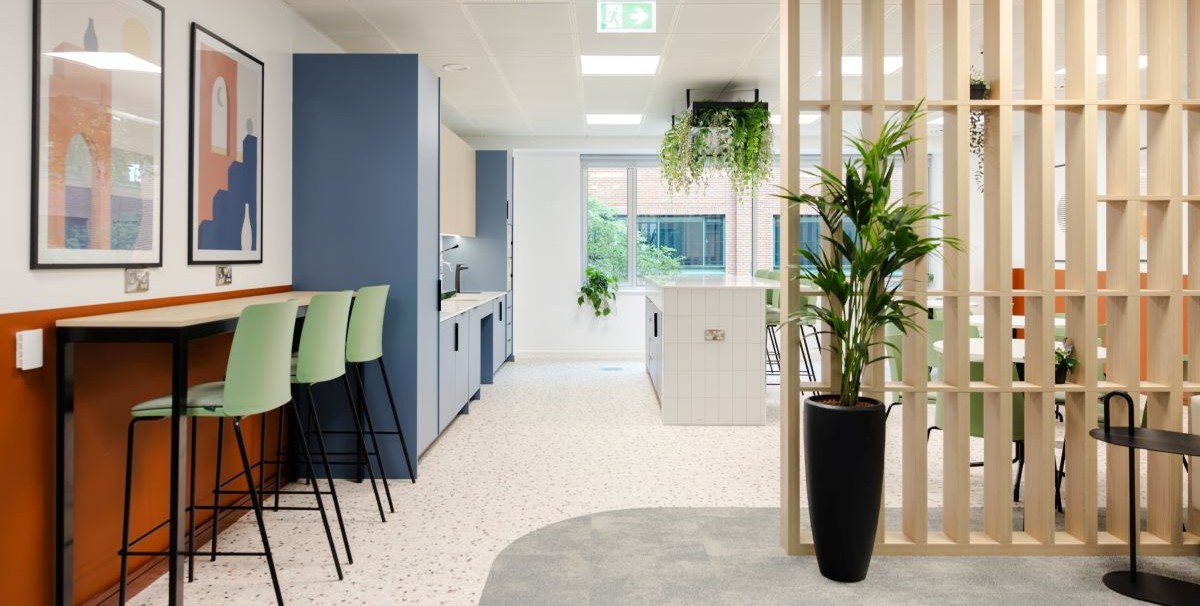
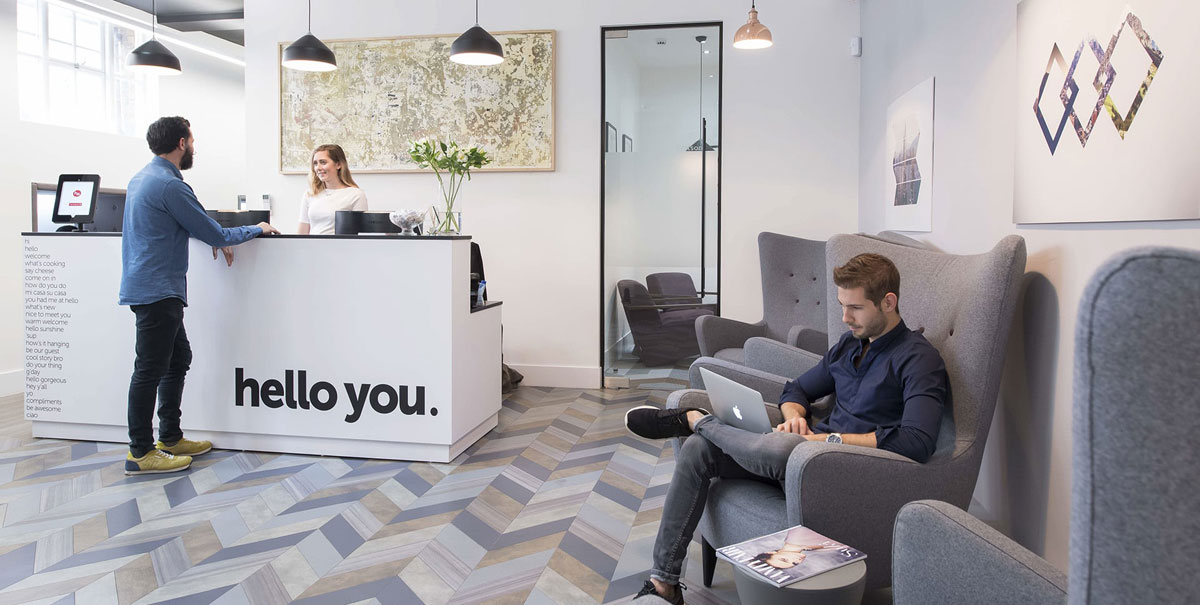
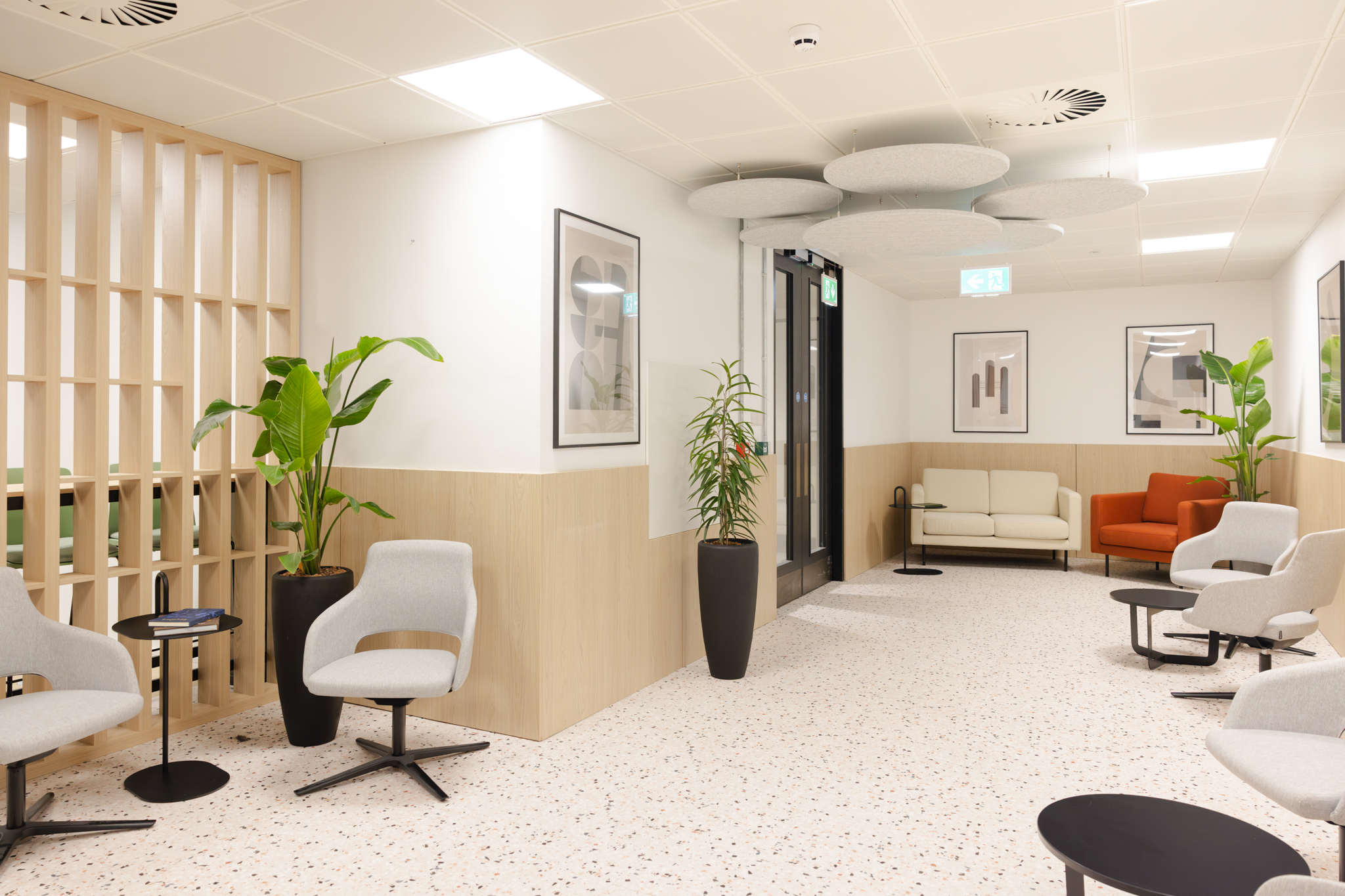
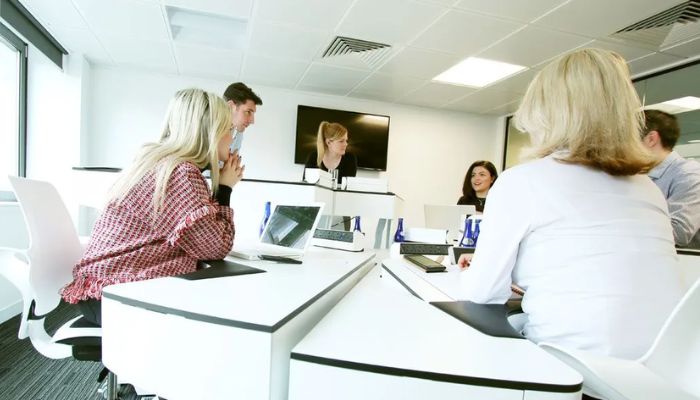
Facilities are more than just perks – they’re essential to promoting wellbeing. Small comforts like well-equipped kitchens, breakout areas and wellness rooms show employees that their needs are valued. A space to enjoy a quiet cup of tea or chat with colleagues can have a surprisingly large impact on stress levels and team cohesion.
Companies that go a step further with wellbeing amenities often see the benefits reflected in both engagement and retention. BE Offices understands how to improve mental health in the workplace through our wellness-first design philosophy. Our flexible office space in London includes features like indoor gyms, biophilic design with live plants and comfortable breakout lounges, creating an environment that encourages relaxation and connection. These facilities aren’t gimmicks; they’re practical ways to make employees feel more at ease and more motivated throughout their day.
Breathing easy: why air quality matters
We don’t always notice air quality until it becomes a problem, but it can have a significant impact on cognitive function, concentration and mood. Poor ventilation and high levels of indoor pollutants can lead to headaches, lethargy and even anxiety.
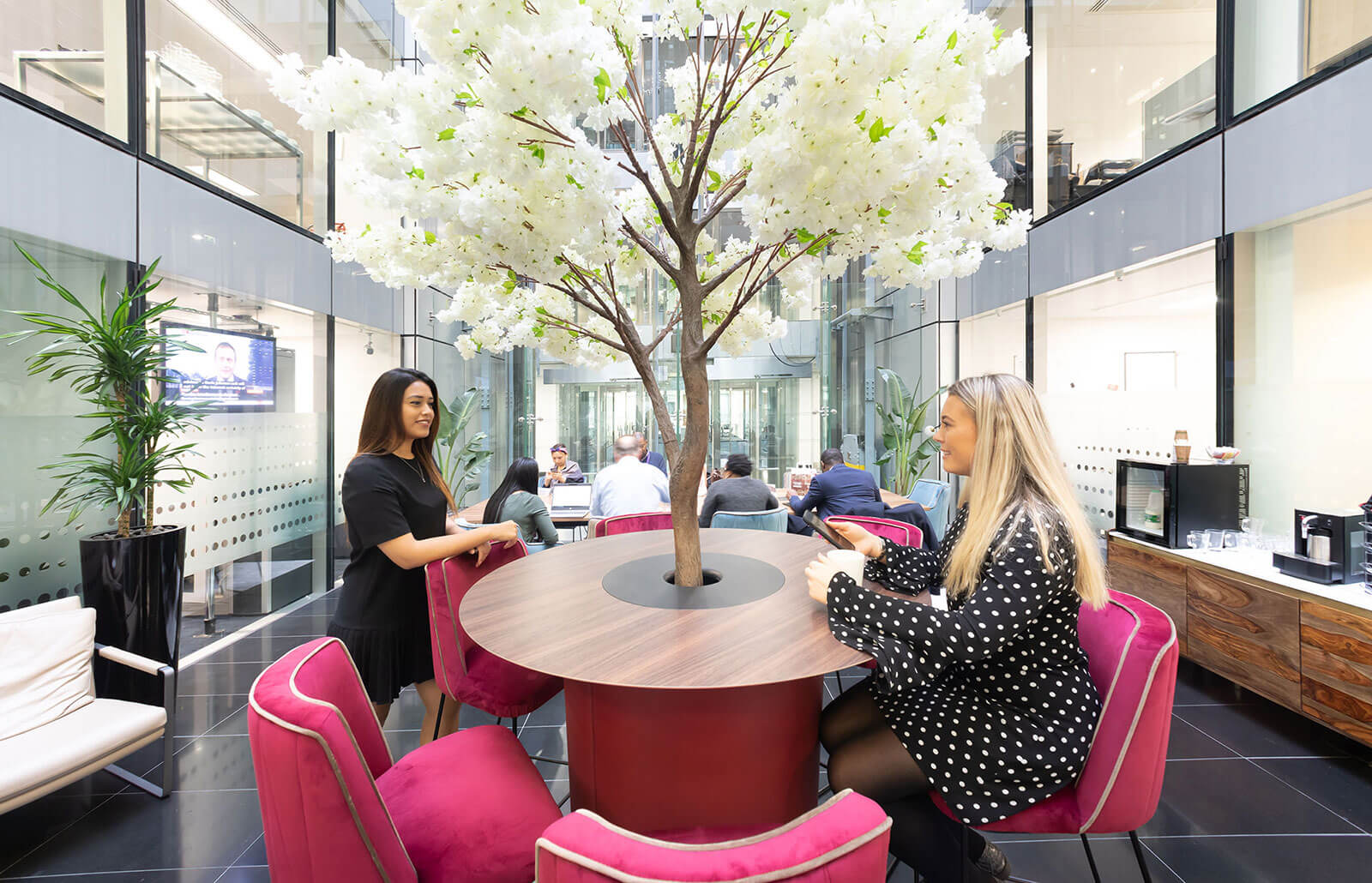
Good air quality, on the other hand, has been linked to improved focus and overall mental clarity. Regular maintenance of air conditioning and filtration systems, along with incorporating plants that naturally purify the air, can go a long way. The addition of greenery not only improves air quality, but it also supports a biophilic environment, helping reduce stress and promote a sense of calm.
The power of teamwork and collaboration
Humans are social by nature and isolation at work can lead to feelings of disengagement and low morale. Encouraging collaboration through smart design is one of the best ways to nurture a healthy company culture.
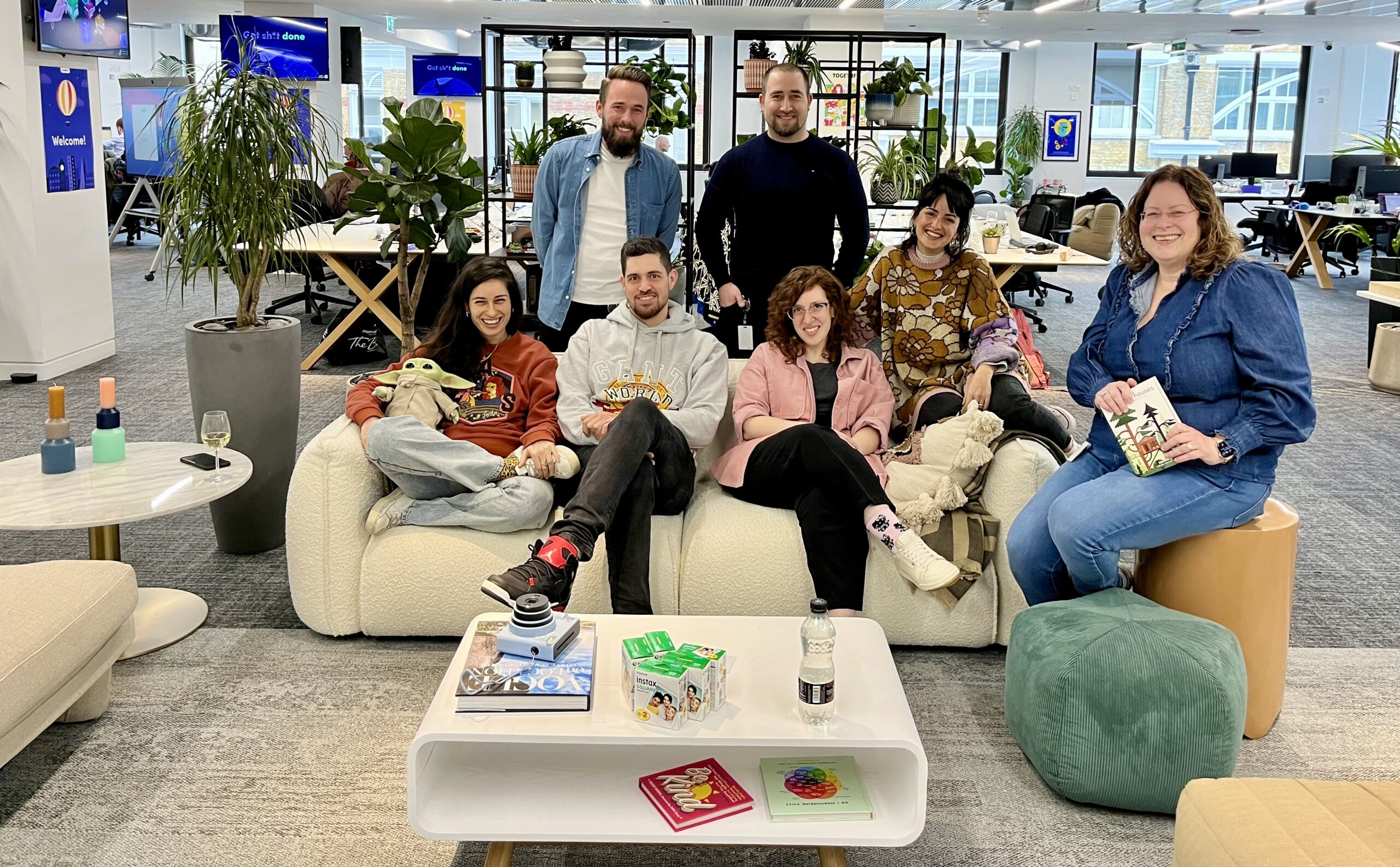
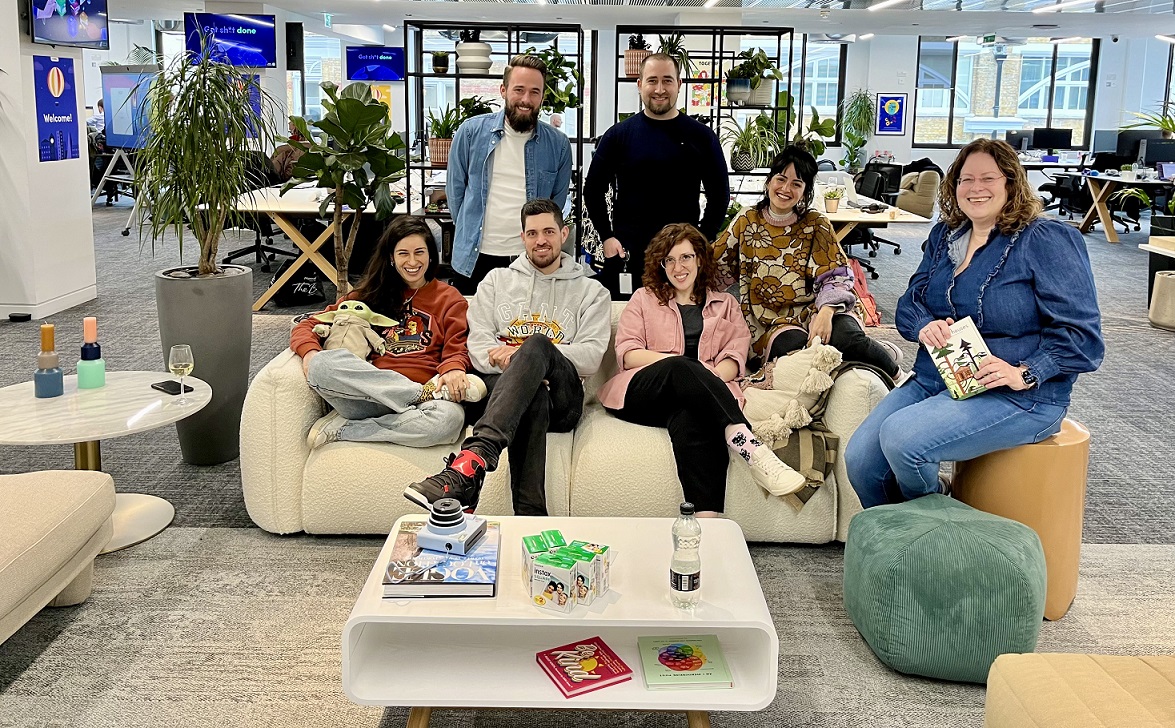
Designated areas for teamwork, whether it’s a shared table, a breakout zone, or a creative brainstorming corner, can help people connect throughout the day. Collaboration not only strengthens relationships, but also drives innovation. According to recent research, companies that prioritise teamwork are 50% more likely to experience lower employee turnover.
Mental health is often tied to a sense of purpose and belonging. When employees feel part of a supportive, communicative team, their confidence grows, and so does their loyalty to the organisation.
Flexibility and adaptability in modern workspaces
The way we work has changed dramatically, and our offices need to keep up. Flexibility allows people to tailor their environment to suit individual preferences and daily tasks. Adjustable desks, movable partitions and multifunctional zones give employees control over how they work best.
Flexibility extends beyond furniture; it’s about mindset. Offering adaptable arrangements such as hybrid schedules or coworking memberships in London office space helps to reduce burnout and encourages a healthier work-life balance.
BE Offices supports this culture through our office solutions designed for everyone from small and medium businesses to startups and entrepreneurs. These spaces are equipped with wellness amenities and adaptable layouts, helping teams to stay productive without compromising mental health.
What do employees really want?
Surveys show employees increasingly value workplaces that balance comfort, autonomy and wellbeing. A 2024 report by Mind revealed nearly 60% of workers would consider leaving their job if their employer did not prioritise mental health support. Employees want to feel trusted, supported and part of a culture that understands the human side of work. They appreciate access to natural light, quiet zones, greenery and opportunities for movement throughout the day. Even something as simple as being able to take a walk or adjust their workspace can have measurable benefits for mood and concentration.
Employers are rewarded with happier, more productive teams and a lower rate of turnover. Studies suggest employees who have good mental health are up to 300% more creative than those who struggle with chronic stress.
Can employees help themselves?
Individuals can take steps to protect their own wellbeing by taking regular breaks, standing, stretching and spending time outdoors to contribute to mental clarity. Engaging in social activities at work, whether it’s a wellness class or a chat over coffee, helps reduce isolation and strengthen connections. Open communication is also essential. By speaking up about workload concerns or environmental discomfort, employees can help shape a workspace that supports everyone.
The relationship between workspace design and mental health is clear: positive environments create happy people who are more focused, creative and resilient. By prioritising thoughtful design, businesses can show they truly care about their people. This in turn translates into loyalty, performance and growth.
© Suwatchai Wongaong / Shutterstock.com & BE Offices