




In today’s digitally connected world, the average workday looks vastly different from how it appeared even a decade ago.
Screens have become the cornerstone of our professional lives, from answering emails and managing projects to jumping between Zoom meetings and instant messages. While the digital transformation has undoubtedly brought flexibility and efficiency, it’s also created new challenges, particularly when it comes to the health and wellbeing of employees.
Endless screen time, sedentary habits and the pressure to be available almost 24/7 are taking their toll. In response, a growing number of businesses are placing renewed emphasis on employee wellbeing initiatives, with one simple practice emerging as particularly impactful: taking a screen break.
The reality of the modern workday
The average UK office worker spends around 6.5 to 8 hours a day looking at screens, with some employees reaching far beyond that. This constant exposure not only strains the eyes, but also impacts concentration, posture and mental health. As we strive to do more and work faster, we often neglect giving our mind and body the breaks they desperately need.
Even short micro-breaks can help, as they counter the effects of screen fatigue, enhance productivity and improve mood. These short pauses, ranging from 20 seconds to ten minutes, are aimed at preserving the energy needed to sustain high performance and creativity throughout the day.
A micro-break is any short activity that allows you to disengage from your screen and reset your mind. This can mean standing up and stretching, taking a quick walk, grabbing a coffee, meditating for a minute, or simply looking out of the window. Even small actions, such as refilling your water bottle or chatting with a colleague, can serve as effective micro-breaks.
These pauses are backed by science. A study published by Cognition found that even breaks as short as 27 seconds could reduce fatigue and help the brain to maintain consistent performance. Another piece of research from Baylor University in Texas showed that employees who took more frequent short breaks experienced higher job satisfaction and less emotional exhaustion than colleagues who worked through.
Concentration depletes over time, so without replenishment, our performance declines. Regular breaks restore mental clarity, reduce stress and ultimately enhance output.
Why is employee wellbeing important?
Beyond the ethical responsibilities of creating healthy workplaces, there’s a compelling business case. Employees are more productive, engaged and loyal when they feel cared for and supported. Poor mental health costs UK businesses up to £56 billion a year in lost productivity, absenteeism and staff turnover, according to figures from Deloitte. Investing in employee wellbeing initiatives offers an estimated £5 return for every £1 spent.
One brand that has embraced this ethos is Nestlé Professional, which advocates for better daily habits in the workplace in relation to hydration, nutrition and movement. Small positive acts throughout the day can make a big difference. This is a message every employer should send to ensure employees feel valued.
From legal requirements to proactive culture
Under UK law, employees working more than six hours a day are entitled to one uninterrupted 20-minute break, which doesn’t seem very much. To truly support wellbeing, employers should go beyond this minimum and encourage short breaks throughout the workday.
Studies show that this can reduce digital eye strain and physical tension, while helping to prevent burnout. The NHS recommends the 20-20-20 rule to combat eye fatigue: every 20 minutes, look at something 20 feet away for 20 seconds. It’s a simple, science-backed habit that can make a measurable difference to eye health.
Mental fatigue is another key concern. A survey by the Mental Health Foundation found that 74% of UK adults felt overwhelmed by stress at work. Taking breaks acts as a pressure release valve, giving the brain space to recover and helping employees recalibrate when tasks seem overwhelming.
Role of the workplace environment
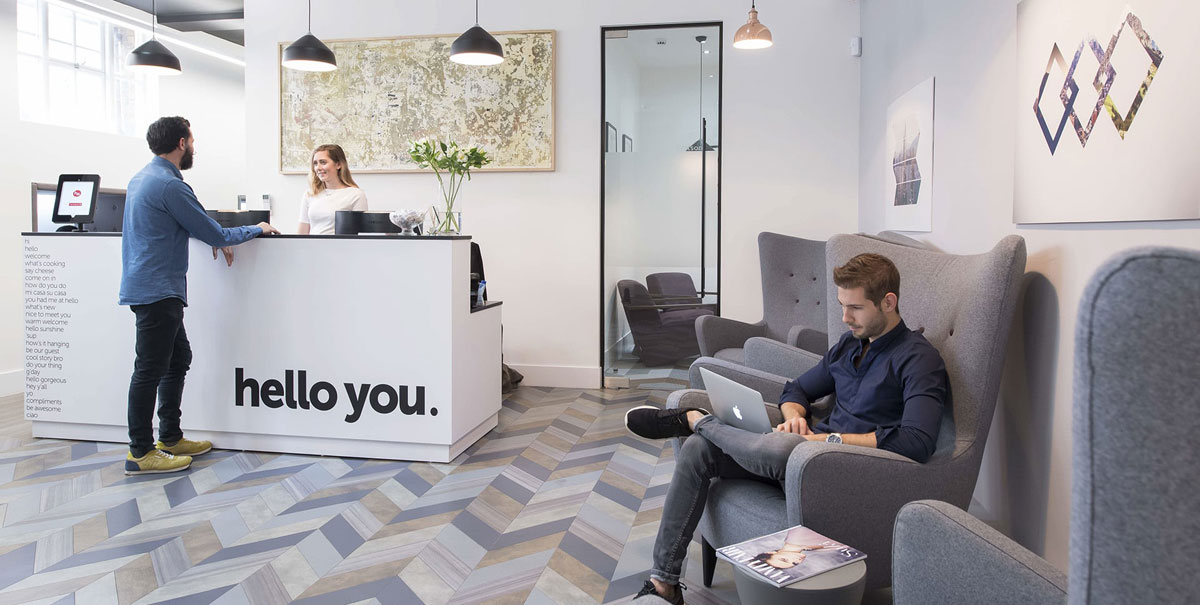
Physical environments play a huge role in shaping behaviours. It can be challenging to prioritise breaks in a space that doesn’t accommodate them. This is why flexible office environments are invaluable, as they are specifically designed to support healthier working habits, with breaks and wellbeing activities becoming a natural part of the day.
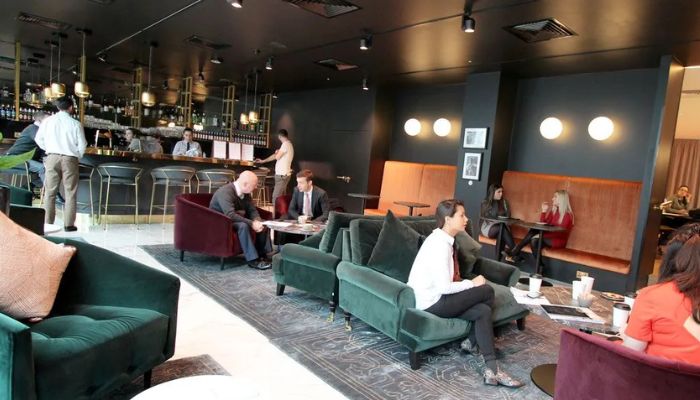
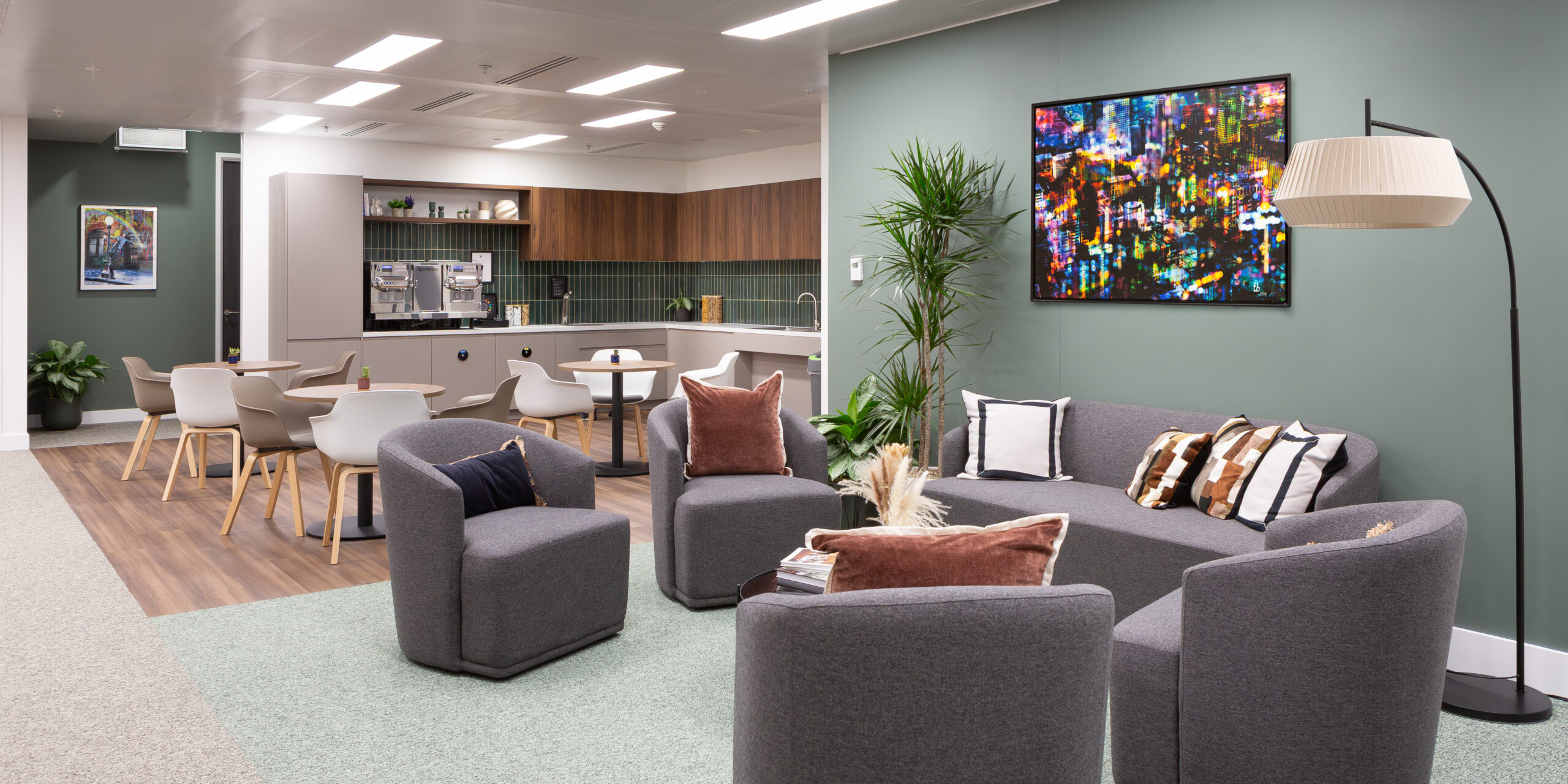
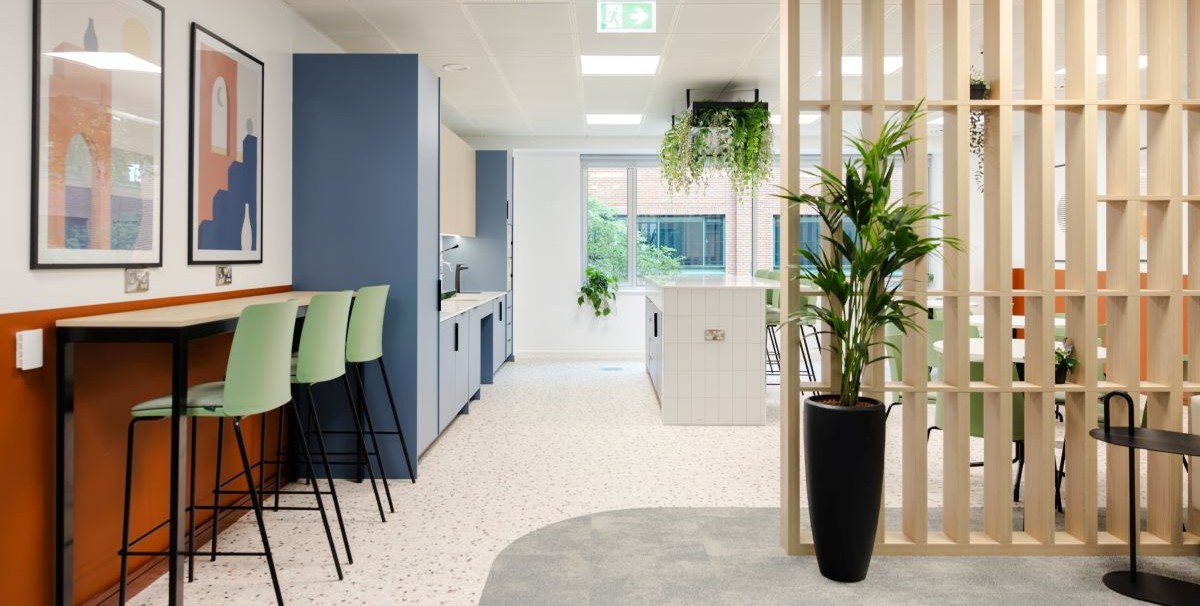
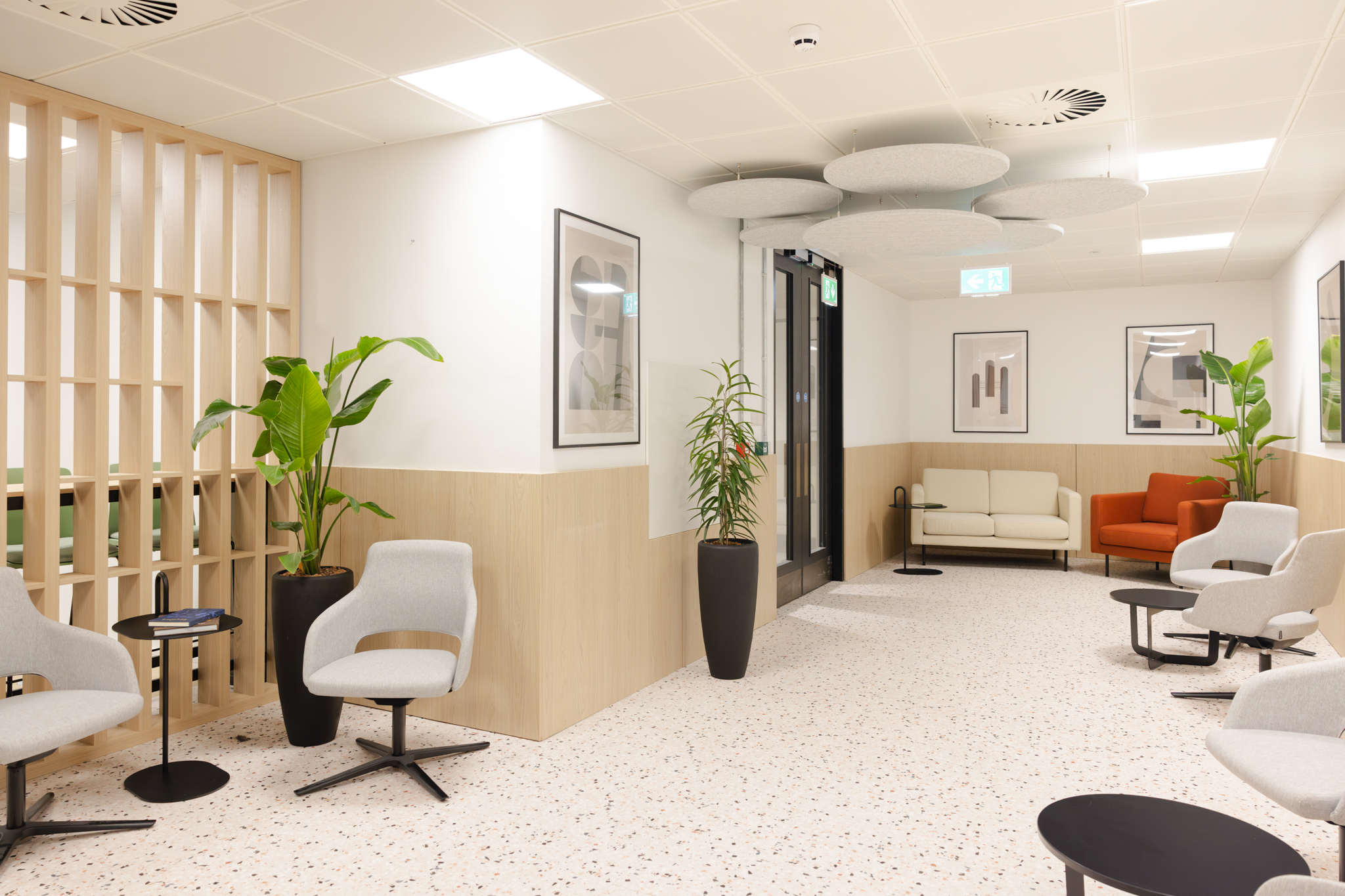
BE Offices, a leader in creating wellness-first workspaces, provides workspaces where people can thrive in varied, supportive environments. With features like height-adjustable desks, indoor gyms and breakout lounges, it’s easy to step away from the screen and reset whenever the need arises.
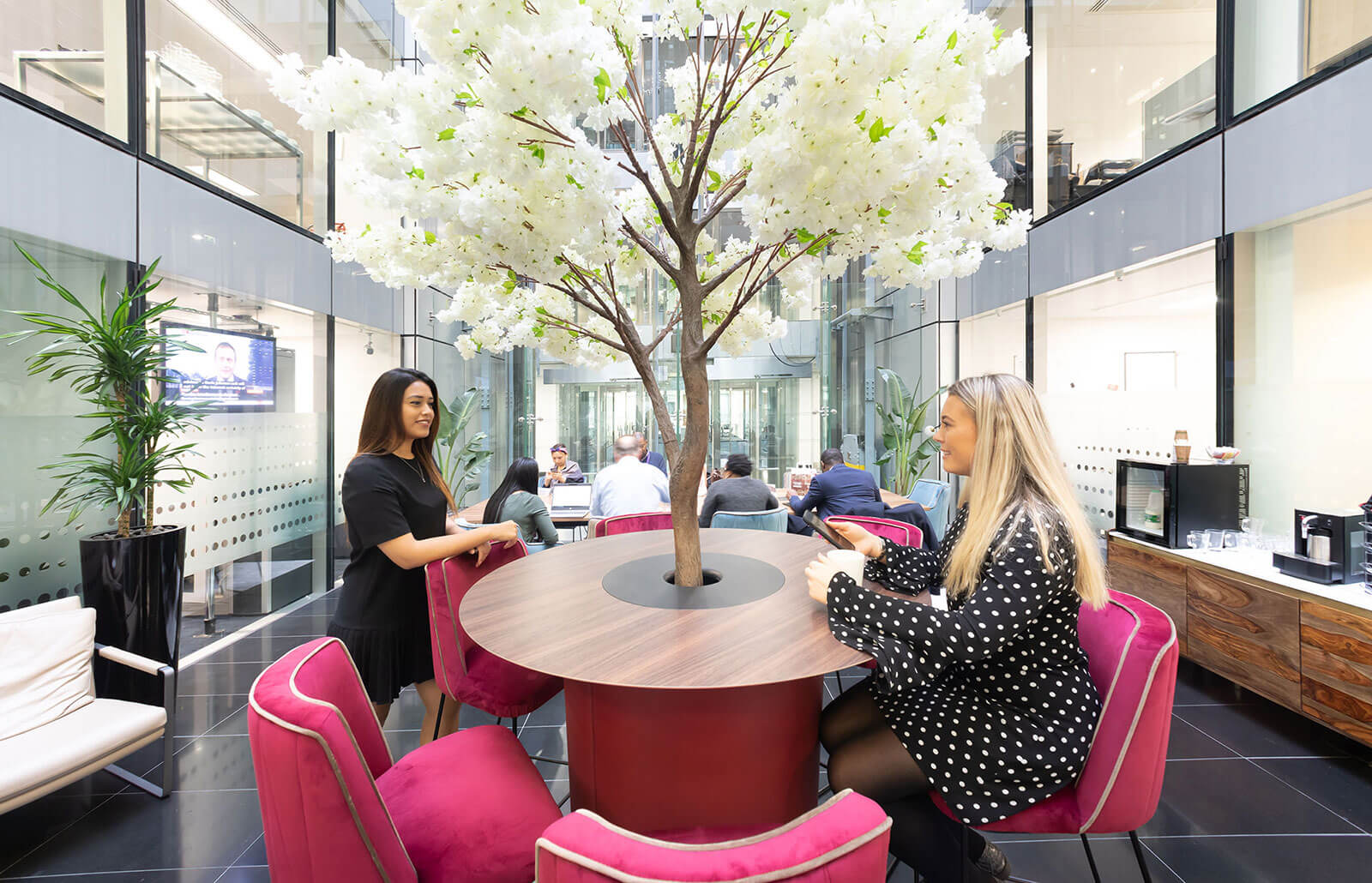
Our break-out lounges ensure that teams have peaceful areas to unwind, chat, or think without distraction. Beyond physical comfort, our offices also embrace biophilic design, bringing nature indoors to reduce stress and increase creativity. Research shows that exposure to greenery can lower cortisol levels, reducing stress and its related negative symptoms, so our plant-filled interiors are a great example of design that nurtures both productivity and peace.
Community, events and wellbeing in action
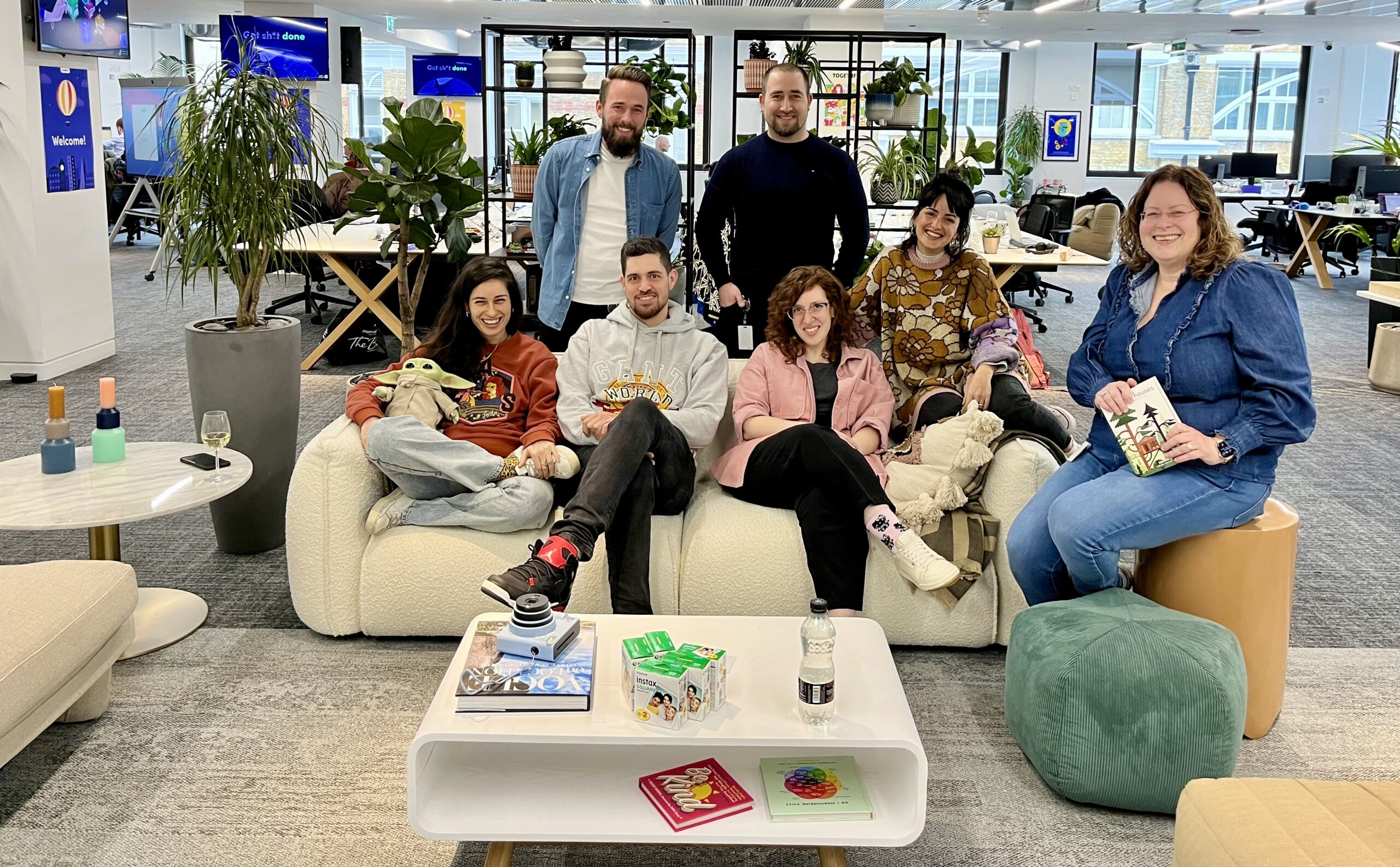
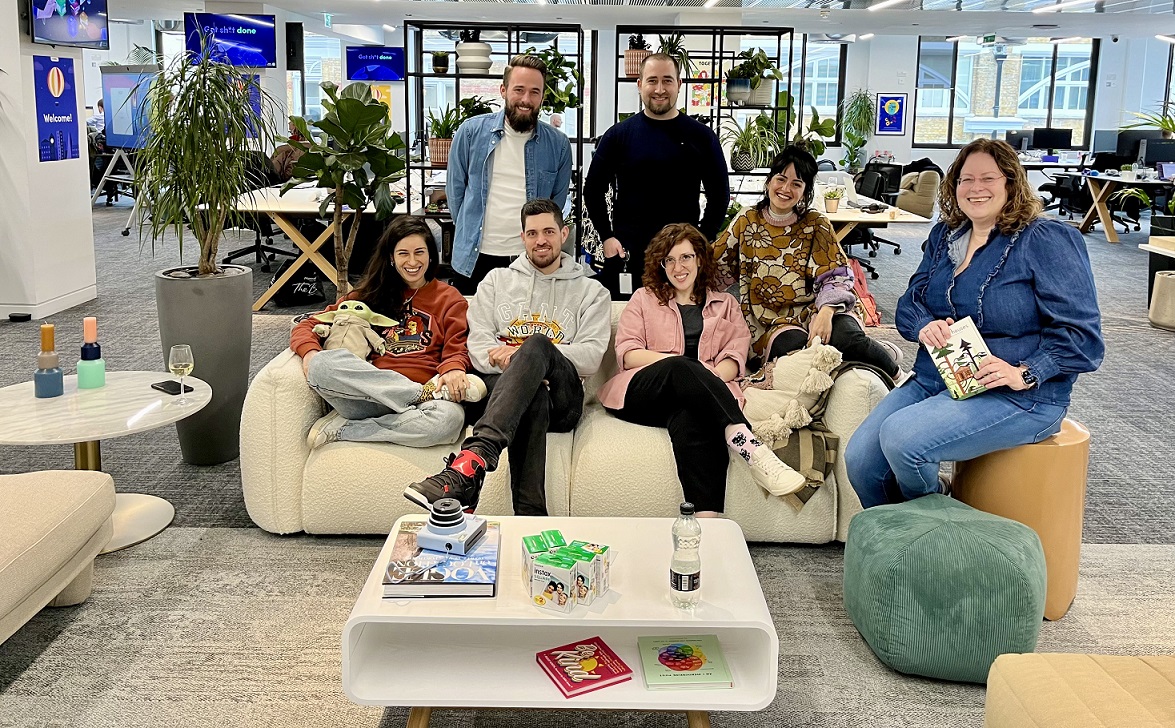
True wellbeing comes from a positive office culture. Our workspaces have cultivated a strong sense of community, offering a full calendar of events and wellbeing activities throughout the year. From networking breakfasts and themed lunch events to charity fundraisers and wellness workshops, these gatherings are opportunities to bond and unwind. These experiences help employees build relationships across teams, reducing feelings of isolation and increasing engagement.
Never underestimate the power of something as simple as a shared doughnut or bagel bar! Treats and social moments may seem small, but they remind teams that work is not just about output – it’s also about joy and connection.
Supporting better habits
The rise of flexible office space in London is perfectly aligned with the growing focus on employee wellbeing. As businesses move away from rigid long-term leases and lean more towards more agile workspace solutions, there’s an opportunity to prioritise environments that support physical and mental health.
Choosing a London office space that includes built-in wellness features such as quiet zones, breakout areas and community events means you’re investing in the wellbeing of your people. In a city known for its hustle and pace, this can be a game-changer.
Encouraging employees to take screen breaks is a vital component of a healthy, productive workplace. Business leaders can show they value their teams by encouraging a quick walk, or hosting a wellbeing event – simple moments that build a culture of care.
Next time you catch yourself powering through a screen-heavy day, remember to pause, breathe and take a short break. Your mind, body and ultimately the team will thank you.
© Only_NewPhoto / Shutterstock.com & © BE Offices