



James Dyson is far more than the name behind one of the world’s most innovative home technology brands.
A UK inventor, entrepreneur and philanthropist, he’s a champion of recognising opportunities where others see only obstacles.
His story is a masterclass in persistence, experimentation and unshakeable belief in a long-term vision. It’s also a lesson in how businesses, big or small, can thrive by fostering innovation, encouraging initiative and creating environments where ideas can evolve freely.
James Dyson early life
Raised on the windswept coast of North Norfolk, Dyson spent his youth exploring marshes and sand dunes. Long distance running taught him discipline and endurance; qualities that would later define his professional path. After his father passed away when he was just nine, Dyson remained at Gresham’s School on a bursary – an experience that deepened his appreciation for opportunity and education.
He went on to study art and then architectural design at the Royal College of Art. While there, his interests shifted from aesthetics to functionality – how things work, not just how they look. “What excites me is taking things that don’t work and making them better,” he once said. This philosophy would guide every step of his professional life.
What did James Dyson invent?
You probably know the answer, but the first bagless vacuum cleaner is only part of the story. His career has been a steady stream of inventions aimed at fixing things others assumed were fine.
It all started with frustration, first in his factory, then at his own home. While spray painting parts for the Ballbarrow, his early wheelbarrow invention, Dyson noticed how powder clogged the air filters. Around the same time, his new vacuum cleaner stopped working well, because the bag kept clogging up with dust. These annoyances led to a bold question: could the industrial cyclone technology used in factories be applied to household vacuums?
He spent the next five years answering that question. After 5,127 prototypes (yes, he kept count), he launched the world’s first bagless, cyclonic vacuum cleaner. Initially rejected by major manufacturers protecting their lucrative bag sales, Dyson took the DC01 to the market himself. The result was massive commercial success and the birth of a brand that now spans 85 countries and has an estimated net worth of £11.2 billion.
Persistence, prototypes and the power of failure
Few entrepreneurs have embraced failure quite like Dyson. The bagless vacuum cleaner emerged only after thousands of failed attempts. This wasn’t a one-off – from the Contrarotator washing machine to an ambitious electric vehicle that was ultimately shelved, Dyson’s path has been paved with mistakes. In each failure, he found valuable insights.
In his own words, “The time to push hard is when you’re hurting like crazy and want to give up, because success is often just around the corner.”
This lesson holds just as true in the modern workplace as it does in the inventor’s lab. In today’s London office space environments, especially in start-ups and tech-heavy industries, there’s increasing recognition that rapid prototyping, trial and error, and freedom to fail are essential ingredients for innovation. You don’t have to build a vacuum cleaner to apply this! Teams operating from flexible office space in London can benefit from this culture. When you empower people to explore new ideas without the fear of failure, you open the door to meaningful breakthroughs.
A culture of innovation and collaboration
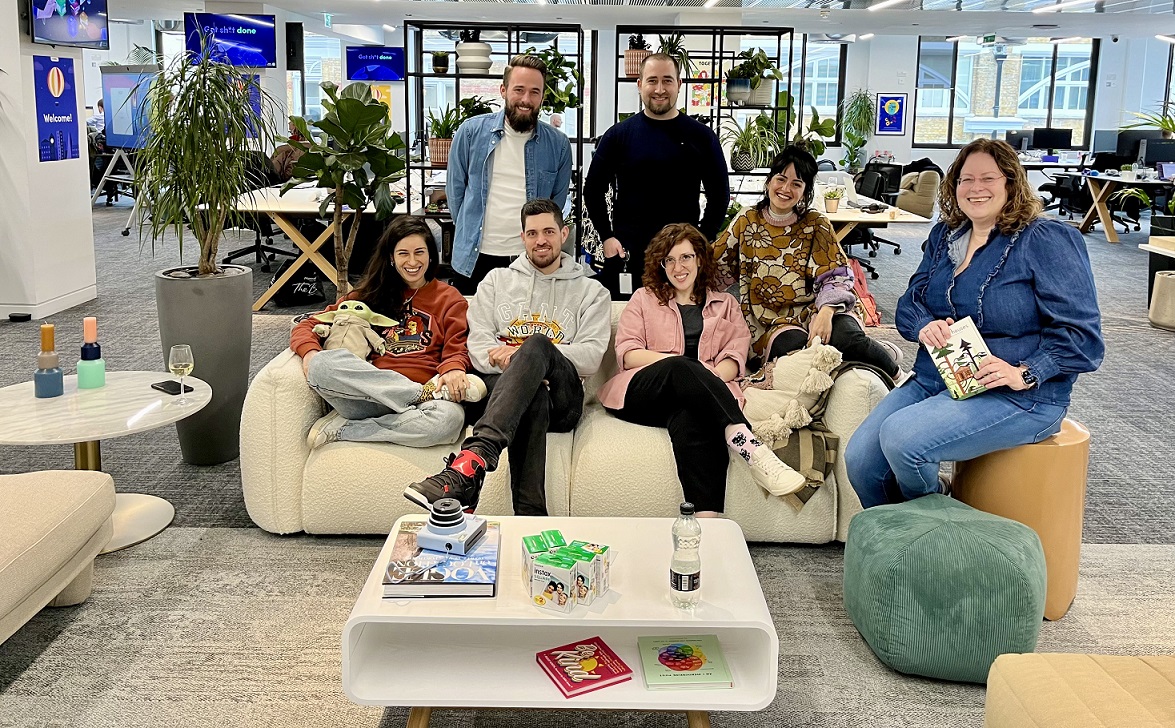
His success wasn’t built in isolation. Although he began as a solo inventor, he eventually cultivated a workplace that thrived on collaboration between engineers, scientists and designers. Half of Dyson’s global workforce today are tackling innovation and design challenges in fields as diverse as AI, solid state batteries, robotics and air purification. This collaborative, future focused culture is something any organisation can aspire to. Encouraging teams to bring ideas forward, test new concepts and think outside the box doesn’t require a massive research and development budget. It just needs leadership that supports experimentation and a workspace that enables it.
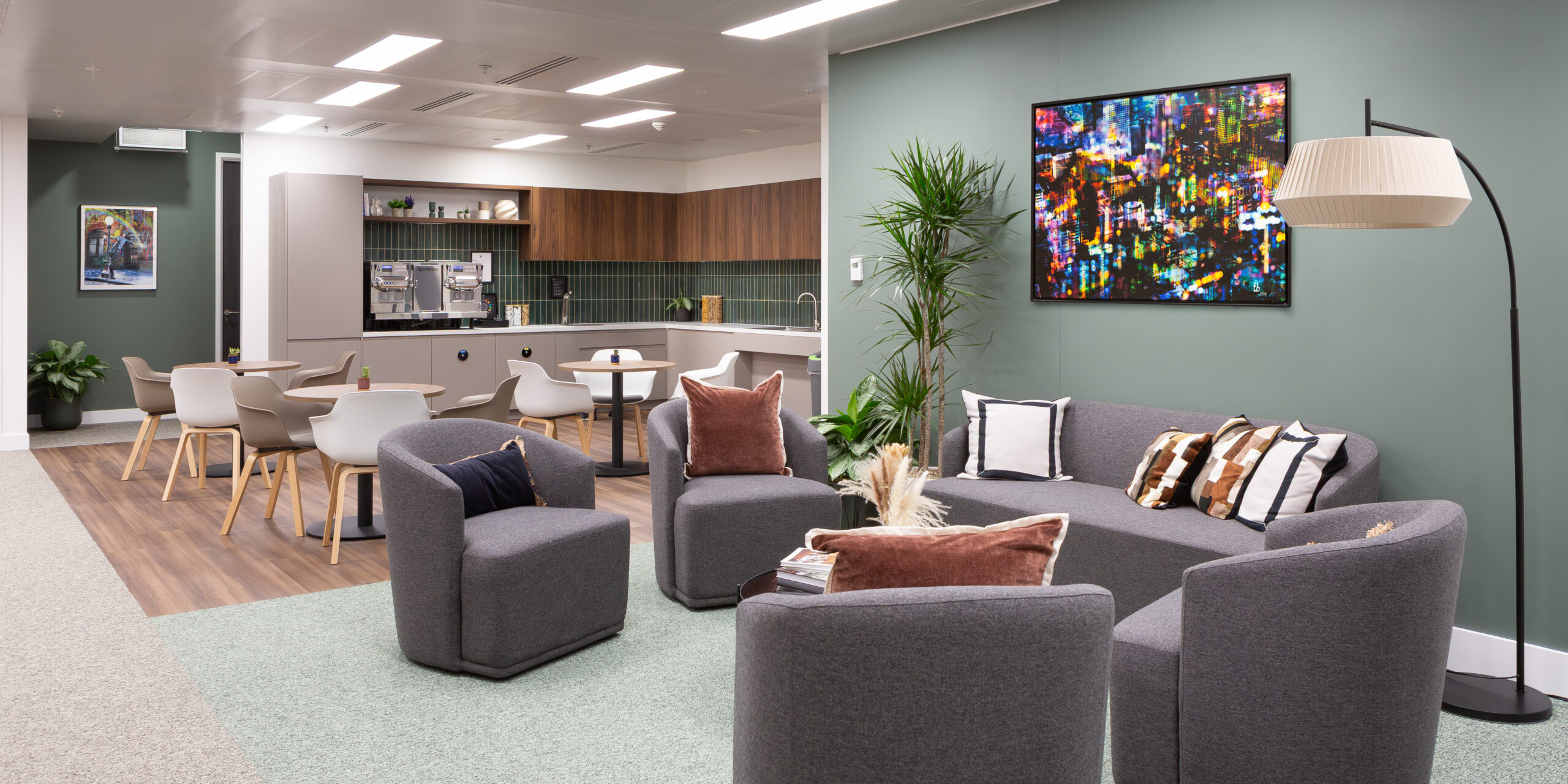
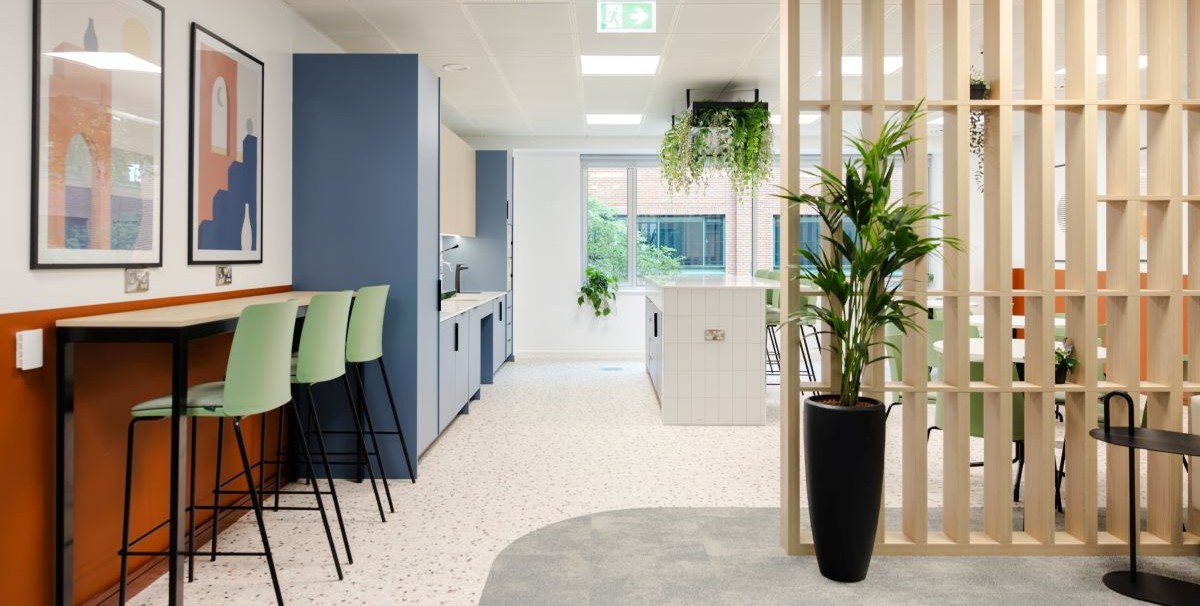
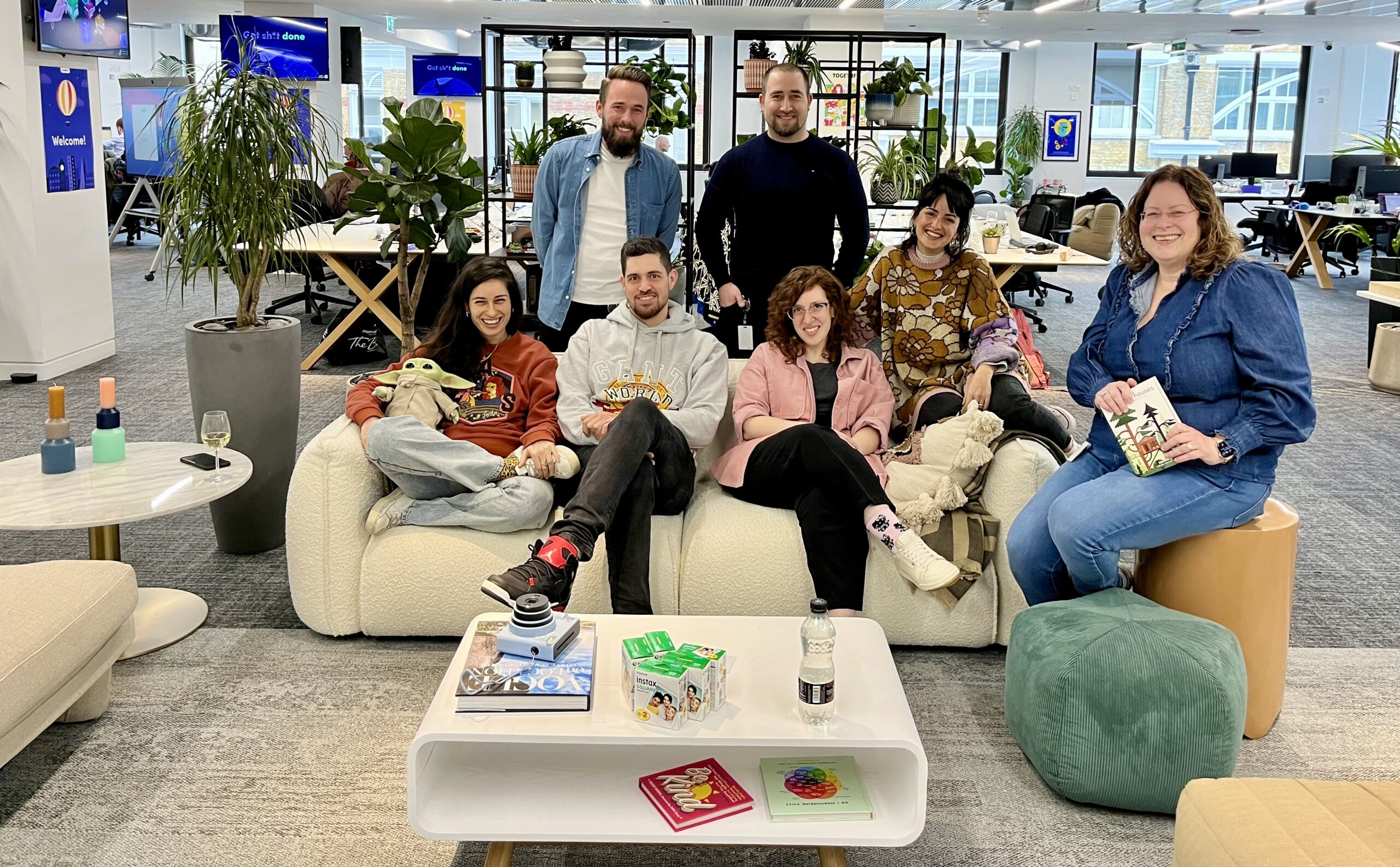
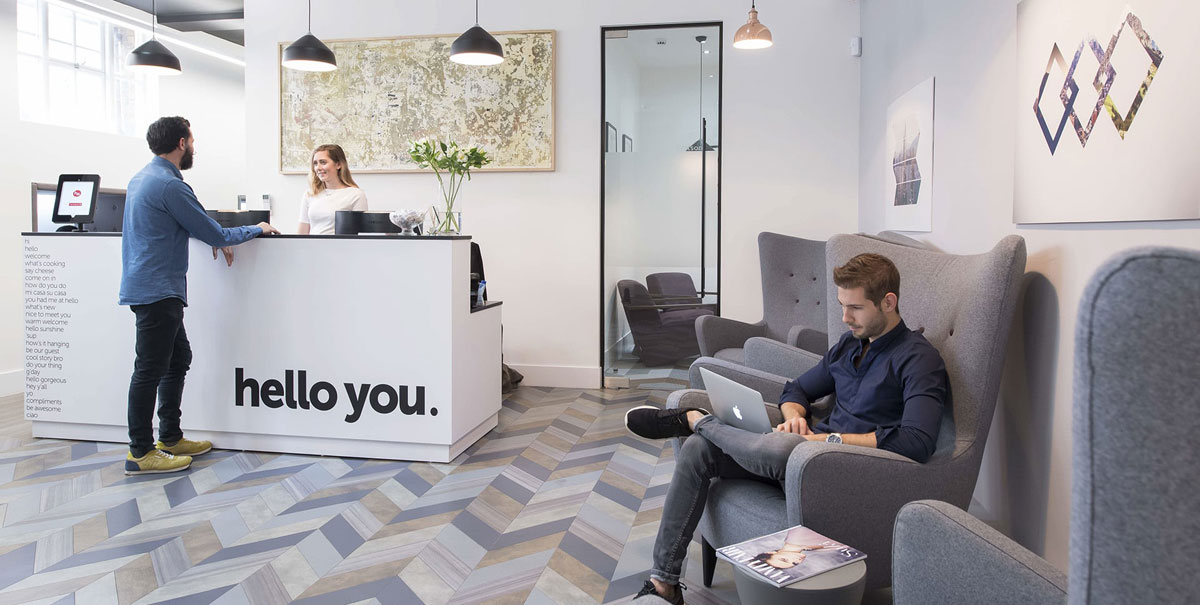
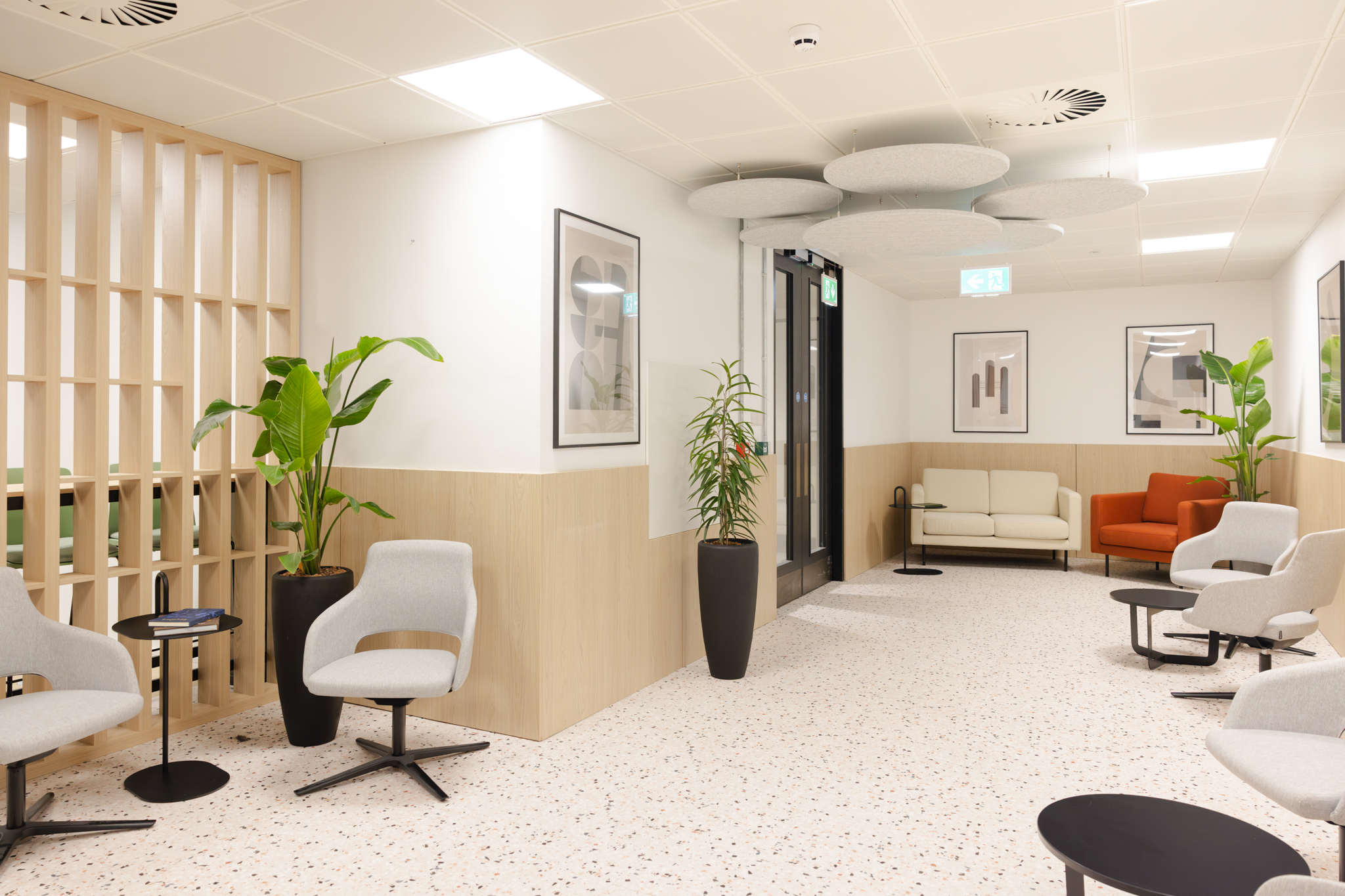
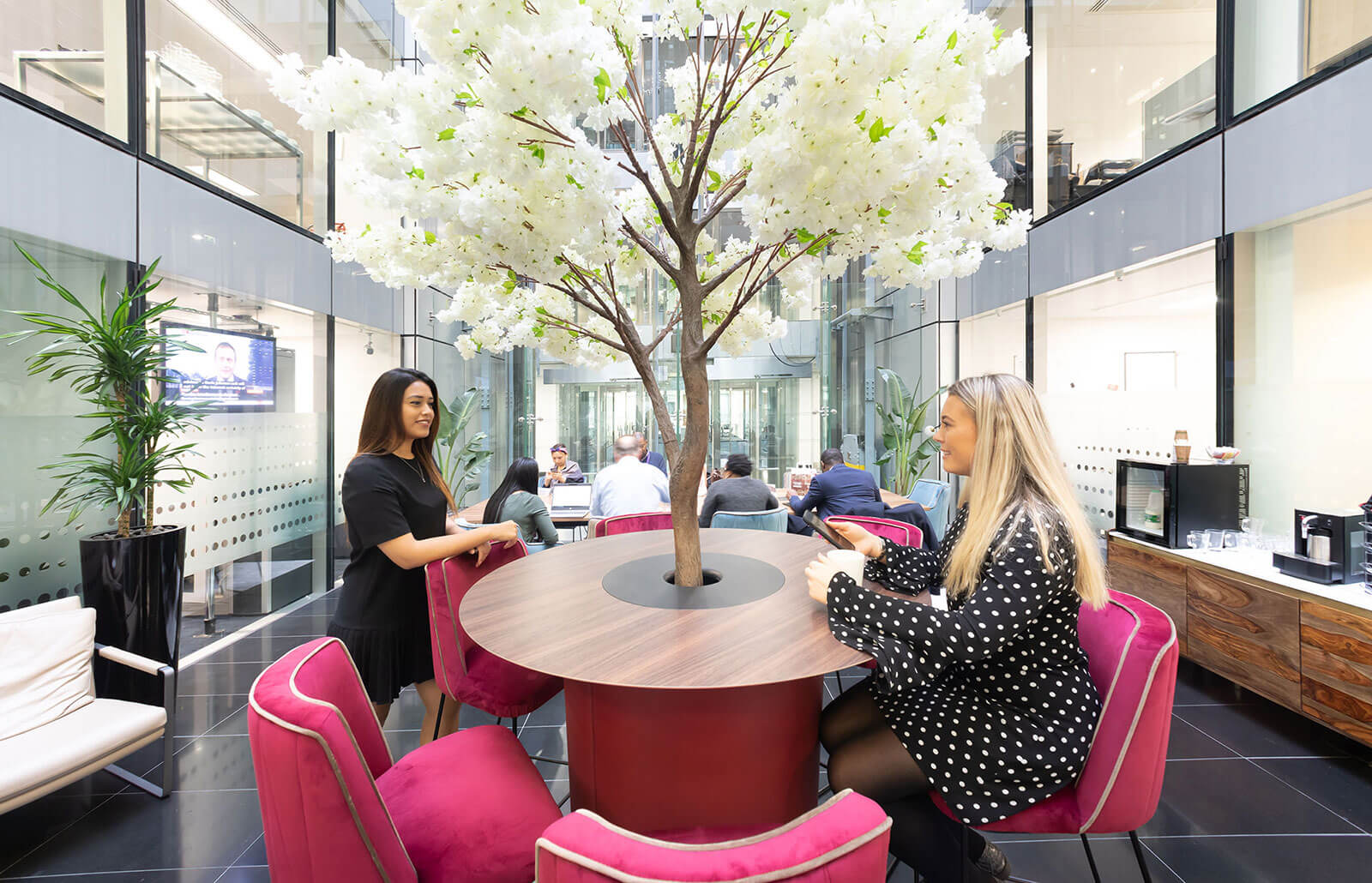
The right workplace can truly make a difference for fast moving, collaborative teams, such as BE Offices’ serviced office space in London. We offer much more than just desks and meeting rooms. Our workspaces provide a canvas for creativity, whether it’s through breakout zones, shared lounges, or the latest technology. Today’s best offices are designed to mirror the environments that companies like Dyson have spent decades refining.
Scaling the vision: from vacuum cleaners to global tech
Today, Dyson is a global technology powerhouse, with its product range having expanded from vacuum cleaners to bladeless fans, AI-powered purifiers and high-tech hair tools. With research centres in the UK, Singapore and beyond, Dyson continues to push engineering boundaries.
None of this would’ve happened without the struggles, failures and stubborn determination of Sir James Dyson himself. From his Sea Truck high speed watercraft to advanced robotics, every invention was rooted in a desire to improve what already existed and a refusal to accept “good enough”.
The same applies to his ventures beyond consumer tech. Take Dyson Farming, which is driving sustainability in UK agriculture, or the Dyson Institute of Engineering and Technology, where undergraduates learn by doing real engineering work. These initiatives underline a key Dyson belief: true success isn’t about short-term wins, but rather long-term impact.
Bringing Dyson’s lessons into the workplace
What can businesses, teams and leaders learn from Dyson’s journey? First, nurture a workplace culture that celebrates curiosity. He didn’t stumble onto innovation, he chased it relentlessly, through years of grit and hands-on experimentation. The best workplaces allow space for that process to happen. This means creating environments, physical and cultural, where people feel safe to test ideas, make mistakes and learn quickly.
Secondly, collaboration is essential. The world’s most innovative ideas often emerge at the intersection of different disciplines. Dyson’s labs bring together designers, scientists and engineers in shared spaces. Whether you’re managing a start-up, or scaling a growing tech company, your London office space should support that same synergy.
Finally, think long-term: Dyson never set out to succeed overnight. From early setbacks to investments in future technologies, everything was done with one eye on the horizon. That patience and perspective, which is so rare in today’s fast-paced world, might just be your most powerful business asset.
Building your own path to innovation
Sir James Dyson once said, “As an engineer, you see problems that need solving all around you. It comes naturally.” However, you don’t need to be an engineer to adopt that mindset. Whether you’re running a business, leading a team, or just getting started, the Dyson way is about invention and intention. He chooses to approach challenges creatively, investing in better solutions and giving people the space and support they need to do their best work.
When you’re considering office choices, or planning your team’s next big move, consider the environment you’re creating. Great ideas don’t just happen; they’re built, tested, and refined. Sometimes, all it takes is the right space and the freedom to think differently.
© Robert Way / Shutterstock.com