




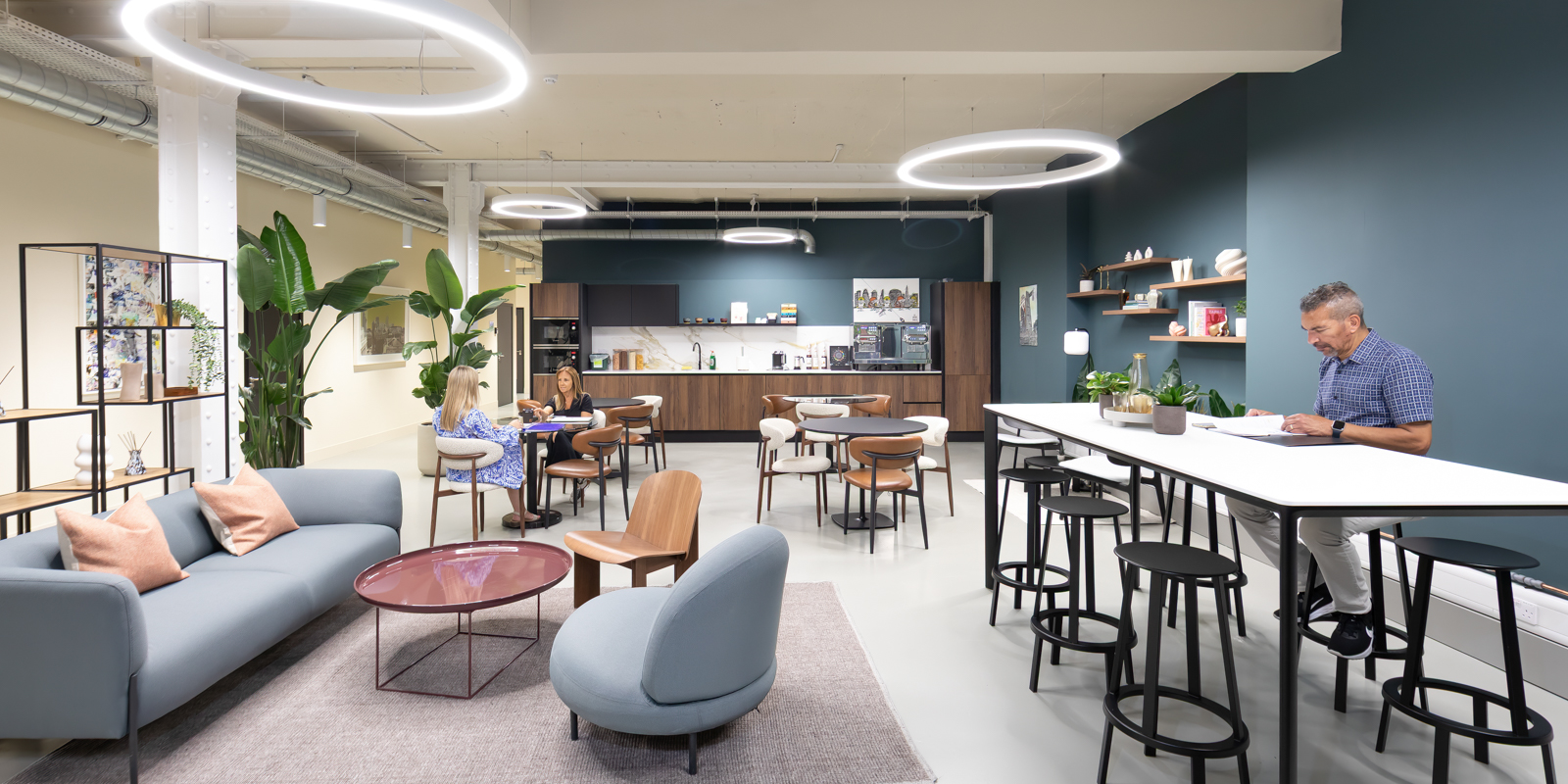
Workplace flexibility has become more than just a desirable employee perk—it’s a strategic necessity.
Organisations that continue to rely on rigid office arrangements risk facing significant financial, operational, and talent-related challenges. While traditional office models once represented stability and structure, they are increasingly proving costly in an era where agility drives success.
Understanding the true cost of office inflexibility can help businesses make smarter decisions and create workplaces that support both productivity and growth.
The hidden financial costs of fixed office spaces
Many companies underestimate the financial burden of maintaining inflexible office environments. Long-term leases, unused desk space, rising utility costs, and ongoing maintenance expenses can quickly add up. As hybrid and remote working models become more common, businesses often find themselves paying for office space that is only partially utilised.
Research consistently shows that many offices operate below full capacity throughout the week. Empty meeting rooms, unused workstations, and underutilised facilities represent wasted resources that directly impact profitability. Inflexible office commitments can also limit a company’s ability to scale up or down as business needs change.

Reduced employee satisfaction and retention
One of the most significant costs of office inflexibility is its impact on employees. Modern professionals increasingly value flexibility in where and how they work. Organisations that enforce rigid attendance policies without considering employee preferences may experience lower morale, reduced engagement, and higher turnover rates.
Replacing skilled employees is expensive. Recruitment costs, onboarding expenses, and lost productivity during transitions can place a considerable strain on resources. In contrast, companies that offer flexible working options often attract a broader talent pool and enjoy stronger employee retention.
Workplace flexibility demonstrates trust and empowers employees to achieve a better work-life balance, leading to increased loyalty and long-term commitment.
Productivity losses and operational inefficiencies
Contrary to outdated assumptions, flexibility does not automatically reduce productivity. In many cases, rigid office requirements can create inefficiencies that hinder performance.
Long commutes, overcrowded workspaces, and unnecessary in-office attendance can contribute to employee fatigue and distraction. When individuals are required to be physically present regardless of the nature of their work, valuable time and energy may be wasted.
Flexible workplace strategies allow employees to choose environments where they can work most effectively. Whether working from home, collaborating in a shared office, or utilising coworking spaces, employees often achieve higher levels of focus and efficiency when given greater autonomy.
Difficulty adapting to market changes
Business conditions can change rapidly. Economic uncertainty, workforce expansion, technological advancements, and shifting customer demands require organisations to remain adaptable.
Companies locked into inflexible office arrangements may struggle to respond effectively to these changes. Long-term real estate commitments can limit financial flexibility and make it difficult to adjust operational costs during periods of growth or downturn.
Organisations that embrace flexible workspace solutions are better positioned to scale operations, enter new markets, and respond to changing business needs without unnecessary overhead.
The impact on talent acquisition
The competition for top talent is more intense than ever. Candidates increasingly evaluate employers based on workplace flexibility, hybrid working policies, and overall employee experience.
Businesses that insist on traditional office-only models may find themselves at a disadvantage compared to competitors offering greater flexibility. Talented professionals often prioritise organisations that support remote work, flexible schedules, and modern workplace practices.
Failing to meet these expectations can limit access to highly skilled candidates and slow business growth.
How to avoid the costs of office inflexibility
The good news is that businesses can take proactive steps to reduce the risks associated with rigid workplace models.
Start by evaluating actual office utilisation and identifying opportunities to optimise space usage. Flexible office solutions, coworking memberships, and on-demand workspace options can help reduce overheads while supporting employee needs.
Technology also plays a critical role. Investing in collaboration tools, cloud-based systems, and secure remote working infrastructure enables teams to remain productive regardless of location.
Most importantly, organisations should regularly gather employee feedback to understand workplace preferences and adapt policies accordingly.
Office inflexibility carries costs that extend far beyond rent and utilities. From reduced employee satisfaction and talent retention to operational inefficiencies and limited business agility, rigid workplace models can significantly impact long-term success.
By embracing flexible workspace strategies and modern working practices, businesses can reduce costs, improve employee experience, and position themselves for sustainable growth in an increasingly competitive market. The future of work is flexible—and organisations that adapt today will be better prepared for tomorrow.